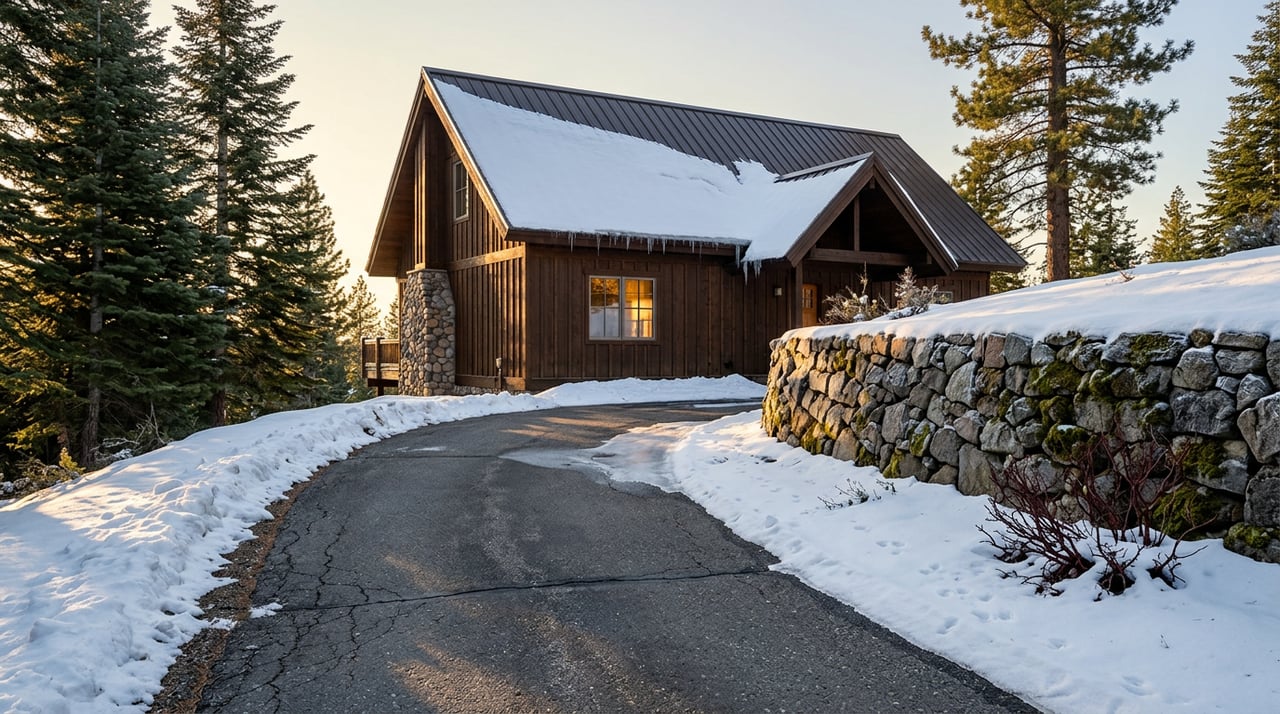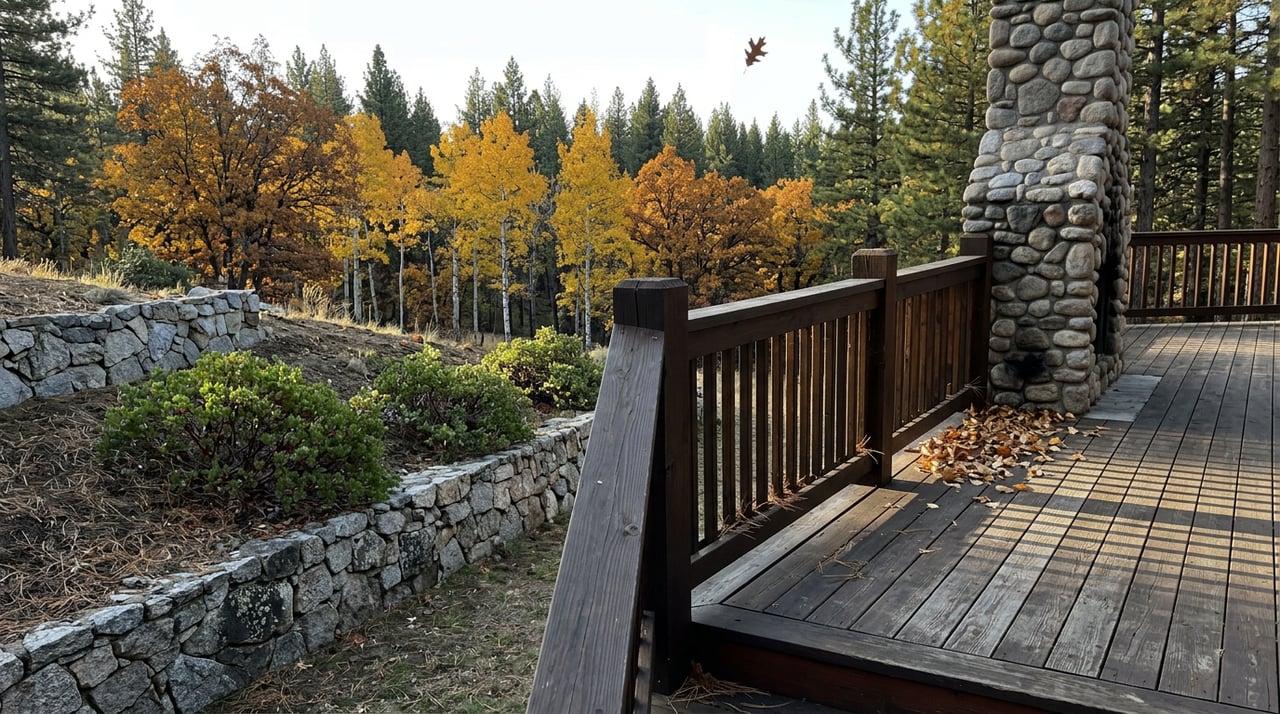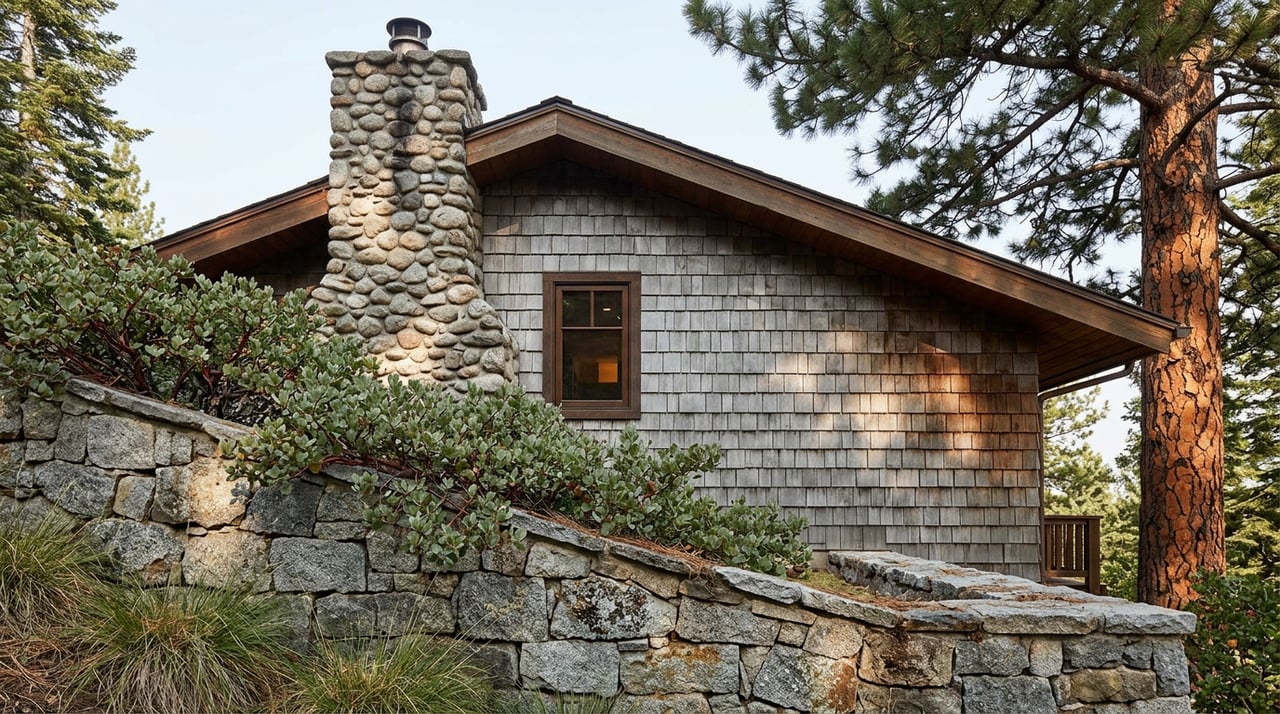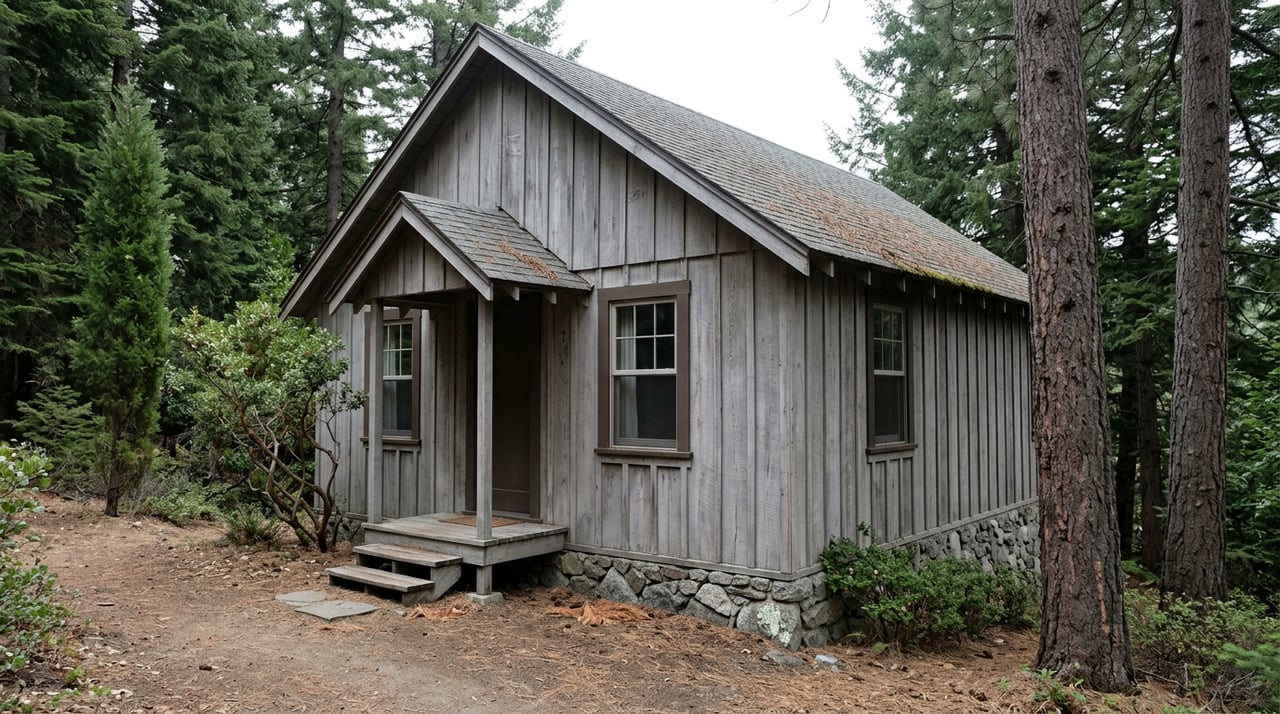
Selling a mountain home from a distance can feel like trying to manage a jobsite with one hand tied behind your back. If you own a property in Big Bear City but live off the mountain, you still need the home to show well, photograph well, and feel move-in ready to buyers. The good news is that with the right project plan, local oversight, and smart update priorities, you can improve the property without turning the process into a second full-time job. Let’s dive in.
Why remote remodel planning matters
In Big Bear City, buyers are often quick to notice exterior condition, deferred maintenance, and how well a home has been prepared for mountain living. San Bernardino County describes the Bear Valley communities as a four-seasons resort destination where updated, well-maintained building facades, accessibility, and overall upkeep matter to residents and visitors alike, according to the Bear Valley Communities section of the Countywide Plan.
That local context matters when you are preparing to sell. In mountain areas, exterior cleanup is not just cosmetic. CAL FIRE home hardening guidance and county mountain inspection priorities both emphasize defensible space, roof and gutter cleanup, and vegetation management, which can directly affect first impressions.
Focus on what buyers notice first
If you are selling remotely, your goal is usually not a full redesign. It is to make the property look well cared for, function properly, and stand out in photos and showings.
National data supports that approach. Zonda’s 2025 Cost vs. Value report found that exterior improvements such as garage door replacement, steel entry door replacement, manufactured stone veneer, and fiber-cement siding replacement ranked among the stronger resale projects nationally. Zonda also notes that results vary by region, so those figures should be treated as broad guidance rather than a guaranteed outcome in Big Bear City.
The National Association of REALTORS® reports that buyers are also paying close attention to condition. In the 2025 Remodeling Impact Report, 46% of buyers said they are less willing to compromise on home condition, and REALTORS® most often recommended painting the entire home, painting one room, and replacing the roof before selling.
Prioritize exterior work first
For many Big Bear City sellers, the best pre-sale projects are the ones buyers can see right away and the ones that help the property feel properly maintained for a mountain setting.
Top priorities often include:
- Roof repairs or re-roofing
- Gutter cleanup and repair
- Front entry improvements
- Garage door or exterior door replacement
- Exterior paint or touch-up work
- Deck cleanup and repair
- Landscaping cleanup and defensible space work
- Removal of pine needles, roof debris, weeds, and dead plants
This is especially relevant in a mountain community where exterior upkeep can signal how the rest of the home has been maintained. CAL FIRE recommends keeping roofs clear of debris and vegetation, and San Bernardino County identifies weeds, dead plants, roof debris, and pine needles as issues that matter in local inspections.
Keep interior updates modest and strategic
Once the exterior is handled, the next best investments are usually practical interior improvements that make the home feel fresh without over-improving for a sale.
A modest kitchen refresh, bathroom refresh, flooring repair, and obvious mechanical or safety fixes are often the right next steps. NAR’s 2025 Remodeling Impact Report found that kitchen upgrades and new roofing both earned the highest possible Joy Score, while Zonda’s 2025 Cost vs. Value report still placed a minor kitchen remodel among the top resale projects nationally.
That said, bigger interior remodels can be harder to justify when your main goal is selling rather than long-term ownership. Zonda notes that exterior replacement projects continue to outperform many larger discretionary interior remodels for resale value.
Use staging to help remote buyers connect
Remote selling is not just about repairs. It is also about presentation.
When buyers first encounter your home online, they are making fast decisions based on photos, videos, and virtual tours. According to NAR’s 2025 Profile of Home Staging, buyers’ agents said staging makes it easier for buyers to visualize a property as a future home, and visual media remains highly valued in the shopping process.
If you are staging selectively, start with the rooms that tend to matter most:
- Living room
- Primary bedroom
- Kitchen
For a mountain property, that often means creating a clean, warm, uncluttered look that highlights space, light, and condition rather than filling rooms with too much furniture or décor.
Build a remote remodel plan
A remote remodel works best when you make decisions in the right order. Before any contractor starts, it helps to create a simple plan that keeps scope, budget, and timing under control.
Start with the sale strategy
First, identify the purpose of the work. Are you trying to correct deferred maintenance, improve curb appeal, support stronger listing photos, or solve issues likely to come up during buyer inspections? Your answer helps determine whether a project is essential, helpful, or unnecessary.
Create a short priority list
Try grouping projects into three levels:
- Must-do items like roof leaks, safety concerns, visible damage, or permit-sensitive repairs
- Should-do items like paint, flooring touch-ups, entry improvements, and selective kitchen or bath refreshes
- Nice-to-do items that may look appealing but are less likely to change the sale outcome
This structure can help you avoid spending time and money on projects that do not meaningfully improve marketability.
Add timeline buffer
Even a good plan needs flexibility. NAR found in its 2025 Remodeling Impact Report that 31% of remodeling projects took longer than planned, 37% took about the planned time, and 31% took less time.
For that reason, remote sellers should avoid tight timelines whenever possible. A little buffer can protect your listing launch date if materials, weather, or contractor schedules shift.
Protect yourself with strong contractor documentation
When you are not physically present, paperwork matters even more. California’s Contractors State License Board says home improvement projects over $500 require a written contract, and that agreement should clearly spell out the scope of work, materials, price, payment timing, permit responsibility, and completion date, as explained on the CSLB contracts guidance page.
CSLB also advises homeowners to:
- Get at least three written bids
- Verify the contractor’s license status
- Confirm address and license number
- Check insurance information
- Put change orders in writing
This is especially important for absentee owners. If a project changes midstream and you do not have written approvals, costs and timelines can drift quickly.
CSLB also notes that the down payment typically cannot exceed 10% of the contract price or $1,000, whichever is less. That makes milestone-based payments and a clear final punch list especially useful for remote oversight.
Stay ahead of permits in Big Bear
Permits can slow down a remodel if they are not addressed early. San Bernardino County requires permits for many common projects, including additions and alterations, electrical, plumbing, mechanical, and structural repairs, as well as re-roofing.
The county’s EZ Online Permitting system allows you to submit applications, pay fees, upload plans, and monitor progress remotely. For a seller who lives off the mountain, that kind of online access can make a real difference in keeping a project moving.
If a contractor is handling permits, make sure the contract says so clearly. If you are unsure whether a repair needs a permit, confirm that question before work begins instead of trying to solve it after the fact.
Create a simple remote oversight system
The best remote remodels usually follow a very clear communication rhythm. You do not need a complicated project management platform, but you do need consistency.
A practical system often includes:
- Weekly photo or video updates
- Written approval before any change order
- One shared folder for bids, permits, invoices, warranties, and progress photos
- A running punch list of incomplete or corrective items
- A target date for staging, photography, and listing prep
For remote sellers, visibility creates confidence. It also makes it easier to spot delays or quality issues before they affect your go-live date.
Consider Compass Concierge for upfront flexibility
If cash flow is part of the challenge, Compass Concierge may help simplify the process. According to Compass Concierge, the program fronts the cost of more than 100 eligible services, including staging, flooring, painting, deep cleaning, landscaping, HVAC, roofing repair, moving and storage, pest control, and seller-side inspections or evaluations.
Compass states that nothing is due until closing, though fees or interest may apply depending on the state, and payment is triggered when the home sells, the listing is terminated, or 12 months pass. For a remote seller, the benefit is not just financial flexibility. It can also support better coordination around which projects are worth doing before the home hits the market.
Compass also says agents help guide service selection and coordinate with vendors, which can be valuable when you are trying to manage the property from Los Angeles, Orange County, the Inland Empire, or anywhere else off-mountain.
Use a shared dashboard for communication
Remote remodels get easier when everyone is looking at the same timeline. Compass says Compass One provides a customized dashboard with 24/7 visibility, task tracking, document sharing, and a timeline that covers the transaction before, during, and after the sale.
For absentee owners, that kind of centralized communication can reduce back-and-forth and keep decisions documented in one place. When multiple vendors, inspections, prep steps, and listing deadlines are involved, clarity matters.
What a smart Big Bear City pre-sale remodel looks like
In many cases, the strongest remote remodel plan is the one that feels disciplined rather than dramatic. You address visible exterior issues, resolve functional concerns, make a few smart cosmetic improvements, and present the property beautifully online.
That approach fits both the market data and the realities of mountain ownership. Buyers want condition, clean presentation, and confidence that the home has been cared for. They do not always need a full luxury remodel to feel ready to make an offer.
If you are preparing to sell from a distance, working with a team that understands Big Bear’s mountain housing stock, local vendor coordination, and pre-sale presentation can make the process far more manageable. When you are ready for a tailored game plan, SoCal Resorts Group can help you prioritize updates, coordinate prep, and bring your property to market with less stress.
FAQs
What repairs matter most before selling a home in Big Bear City?
- The highest-priority items are usually visible and functional, such as roof repairs, gutters, exterior paint, entry updates, deck cleanup, landscaping, and defensible space work.
Does a remote seller in Big Bear City need permits for remodel work?
- San Bernardino County requires permits for many common projects, including additions and alterations, electrical, plumbing, mechanical, structural repairs, and re-roofing.
How can you manage a remodel remotely before selling in Big Bear City?
- A strong remote process usually includes written contracts, weekly photo or video updates, written change-order approvals, milestone payments, and one shared folder for all project documents.
Is staging worth it when selling a Big Bear City home remotely?
- Yes. NAR reports that staging helps buyers visualize the property as a future home, and photos, videos, and virtual tours are especially important in the selling process.
What is Compass Concierge for a remote home seller?
- Compass Concierge is a program that can front the cost of eligible pre-sale services like painting, flooring, cleaning, landscaping, staging, and roofing repair, with payment typically deferred until a later trigger event such as closing.
Should you do a full interior remodel before selling a Big Bear City property?
- Usually, a modest and strategic approach makes more sense for a sale, with priority given to exterior condition, key repairs, and targeted kitchen or bathroom updates instead of large discretionary remodels.