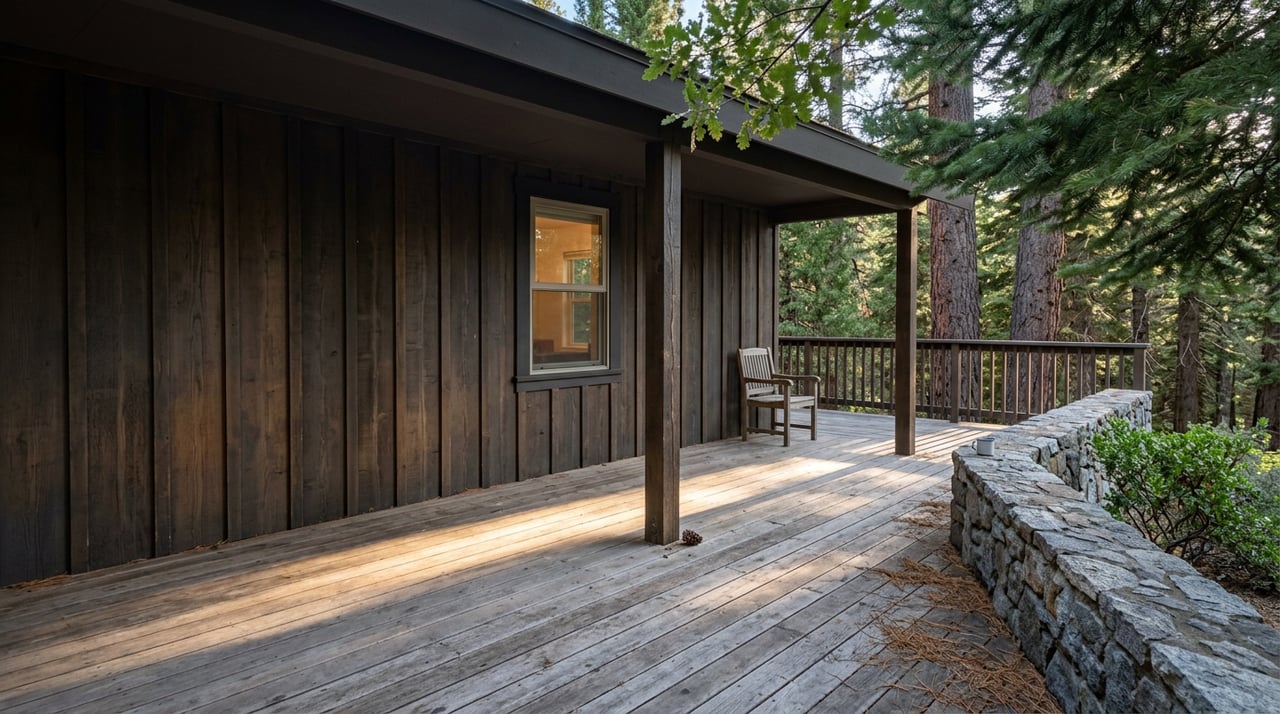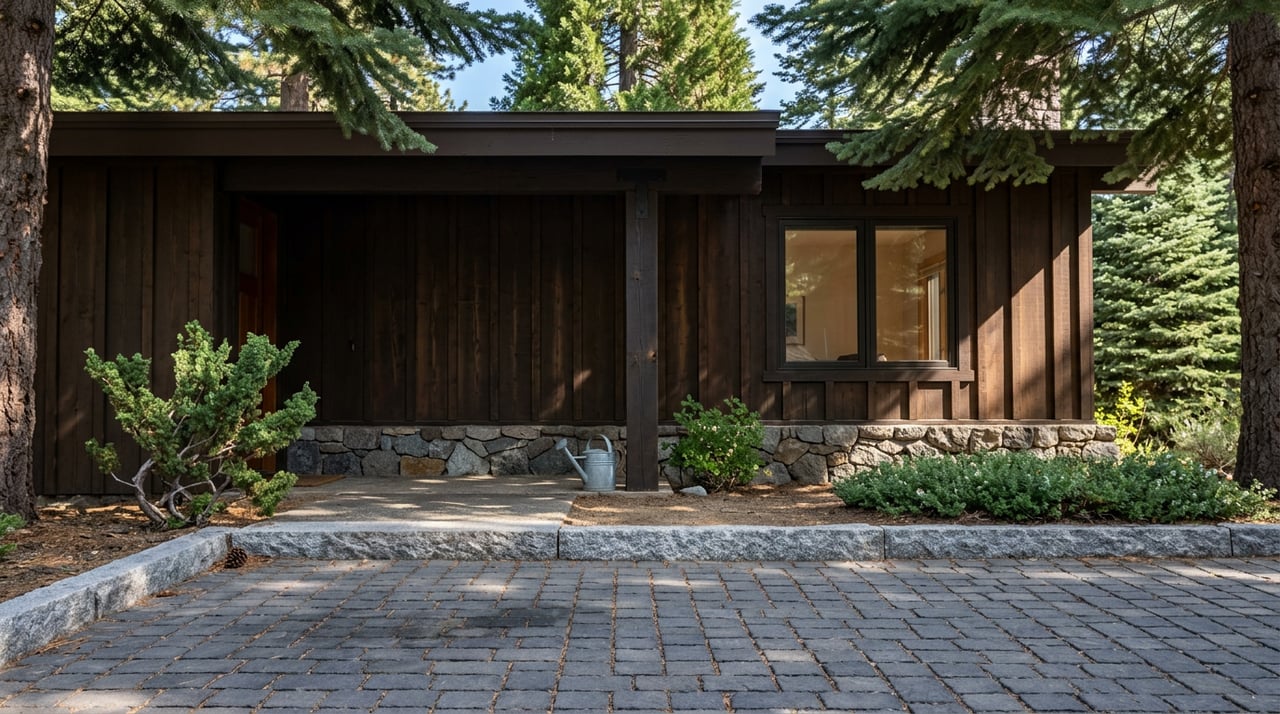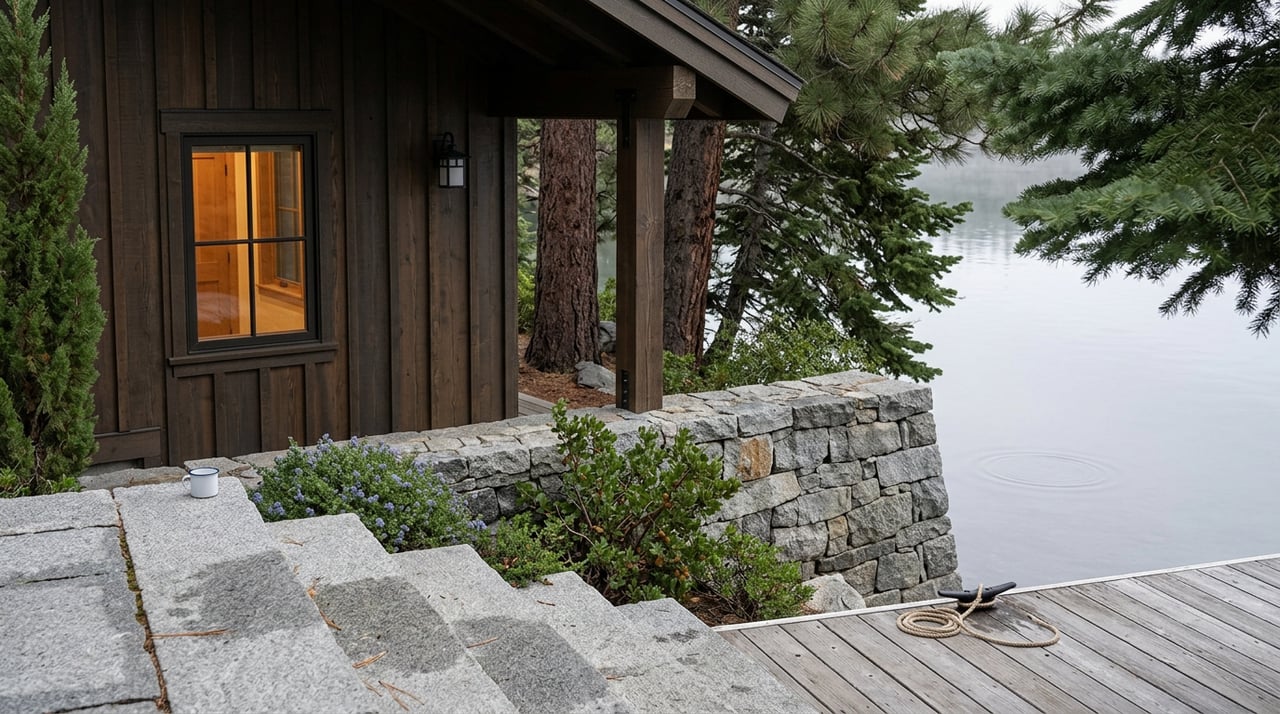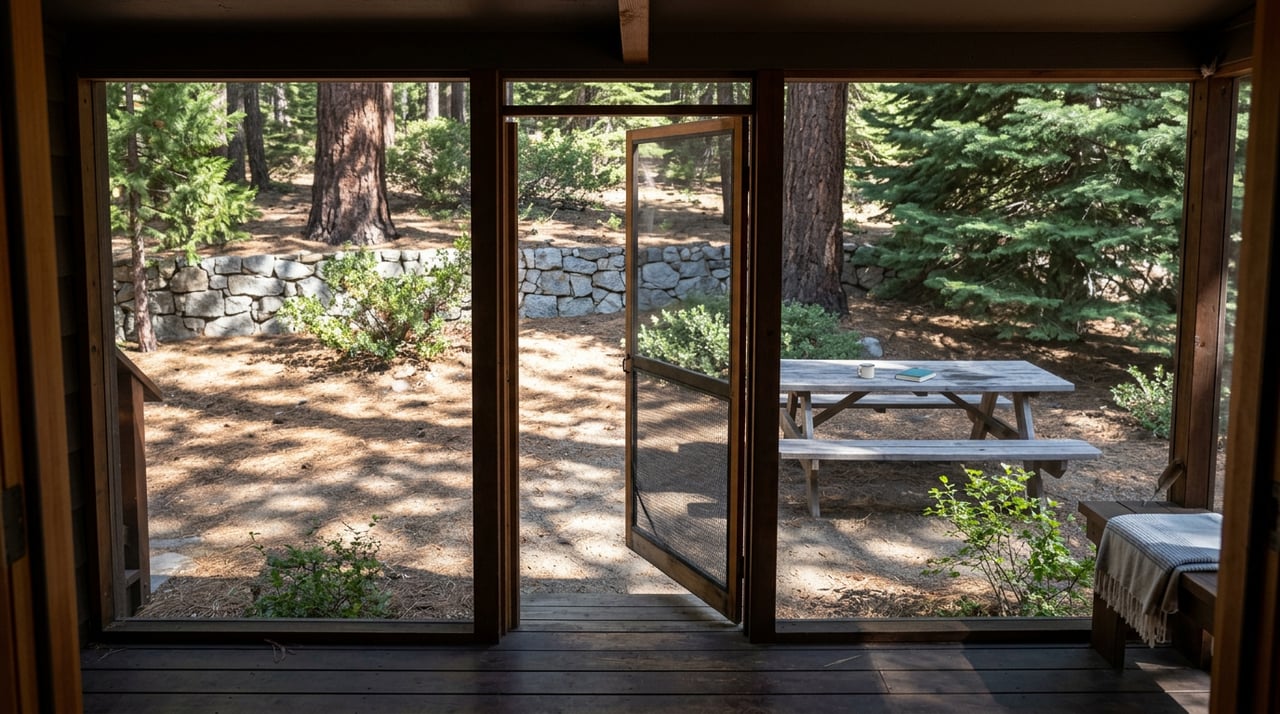
If you want a mountain cabin that works for both your weekends and your wallet, timing and rules matter more than most owners expect. In the Bear Valley communities, a hybrid-use property can be rewarding, but it also takes planning to protect your personal time, meet county standards, and make the most of high-demand rental dates. If you are thinking about using a cabin part-time in Fawnskin or nearby Sugarloaf, this guide will help you build a smarter strategy. Let’s dive in.
Why hybrid use fits this market
Fawnskin and nearby Sugarloaf sit in San Bernardino County’s unincorporated Bear Valley mountain communities. That means county short-term rental rules apply here, not the City of Big Bear Lake rules.
This area is also shaped by a very specific mountain setting. County planning materials describe these communities as a four-seasons resort destination with an emphasis on quiet, privacy, clean air, dark skies, and a family-oriented mountain lifestyle.
That local character matters when you decide how to use your cabin. Tourism descriptions for Fawnskin and Sugarloaf point to rustic character, forest surroundings, privacy, and in some places steep, winding roads. In practical terms, the best fit is usually a calm retreat for outdoors-focused guests, not a high-traffic event property.
Know the county rules first
Before you build a rental calendar, you need to understand the operating limits. In San Bernardino County, a short-term rental means a stay of 30 consecutive calendar days or less.
Occupancy is based on verified bedrooms, not sleeping space you add later. Living rooms, dens, and dining areas do not count as bedrooms under county records.
Occupancy limits by bedroom count
- Studio or 1 bedroom: 4 occupants
- 2 bedrooms: 6 occupants
- 3 bedrooms: 8 occupants
- 4 bedrooms: 10 occupants
- 5 bedrooms: 12 occupants
- Absolute maximum: 12 occupants
This matters if you are trying to balance owner use with rental income. A cabin may feel like it can hold more people during your family visits, but your rental advertising and guest use still need to match the county-approved limits.
Parking can control your rental plan
In this market, parking is not a small detail. The county requires all guest vehicles to park fully on the property, and on-street parking is prohibited.
The parking area also has to remain usable and free from obstructions, including excessive snow. Because occupancy is also limited by approved on-site parking capacity, your real-world rental strategy should be based on driveway layout, garage access, and winter conditions, not just bedroom count.
For many mountain owners, this is where the hybrid model succeeds or fails. If your cabin has a tight driveway or difficult snow access, you may want a more conservative booking plan during winter.
Build your calendar around peak demand
Big Bear is promoted as a four-season destination, with summer activity generally highlighted from June through September and winter snow sports from November through April, depending on conditions. Official destination marketing also focuses heavily on spring and fall to increase off-season and midweek travel.
That seasonal pattern creates a simple planning truth. Your highest-value rental windows are likely to be winter snow periods, summer lake-season weeks, and major holiday weekends.
A practical owner-block strategy
If you want both enjoyment and income, do not treat every week the same. A disciplined calendar often works better than a flat, open schedule.
A strong hybrid-use approach may look like this:
- Protect peak winter and summer dates for rentals when possible
- Use spring and fall shoulder periods for personal stays
- Schedule repairs and maintenance during softer demand windows
- Leave extra time around snow events and guest turnovers
- Avoid blocking high-demand weeks unless your personal use is worth more than the lost revenue
This approach helps you preserve flexibility without accidentally taking your cabin offline during the dates the market values most.
Match the cabin to the right guest
Not every booking is a good booking for Fawnskin-area ownership goals. Because the area is known for quiet mountain surroundings, dark skies, and privacy, your guest fit should reflect that setting.
That usually means marketing the cabin as a peaceful base for hiking, lake time, snow play, and relaxing weekends. It also means setting expectations early so guests understand the property is meant for a respectful mountain stay.
House rules matter more in a quiet area
The county requires clear rental information inside the unit, including the permit, house rules, maximum occupancy, maximum vehicles, trash instructions, emergency details, a property boundary map, and snow-removal contact information. Renters must also acknowledge the rules.
Quiet hours listed in the renter brochure are 10 p.m. to 7 a.m. Commercial gatherings like weddings, receptions, corporate retreats, and conferences are prohibited unless separately permitted.
For a hybrid-use owner, these rules do more than satisfy the county. They help protect the experience you want when you use the cabin yourself.
Plan for the operational workload
A part-time mountain rental is not passive. The county requires the owner or agent to provide a 24-hour phone number, be reachable by phone within 30 minutes, and be physically present at the property within one hour to address complaints.
That is a real operational commitment, especially if you live off the mountain. It becomes even more demanding in winter, when snow, turnover timing, parking access, and guest communication can all create same-day issues.
Ongoing tasks owners should expect
A hybrid-use owner may need to stay on top of:
- Permit application and annual renewal
- Exterior inspection during the approval process
- Waiting periods tied to county notification requirements
- Updating the county if occupancy, parking, or manager information changes
- Cleaning after each occupancy
- Prompt trash removal and secure storage
- Spa or hot tub cover and lock compliance when not in use
- Pet control and noise prevention if animals are allowed
- Budgeting for Transient Occupancy Tax obligations through the Tax Collector
When you look at the full list, it becomes clear that the calendar is only one part of the equation. The real challenge is running the property consistently between stays.
Winter logistics deserve extra attention
In the Fawnskin and Sugarloaf area, winter conditions can shape both guest satisfaction and compliance. Steep, winding roads and snow-sensitive parking areas can affect arrival timing, vehicle access, and turnover schedules.
That is why many owners leave extra calendar buffer around storms and high-demand weekends. It gives you more room to handle snow removal, confirm access, and avoid back-to-back stress between personal stays and guest reservations.
The county also prohibits the use of solid-fuel outdoor fireplaces, chimineas, barbecues, or fire pits in mountain-region short-term rentals. If your cabin lifestyle vision includes outdoor gathering features, make sure your rental setup reflects the actual rules.
When professional management makes sense
The more your cabin depends on peak-season bookings, winter coordination, and fast response times, the more useful professional management can become. This is especially true if you are an absentee or semi-absentee owner.
A local manager can help you protect your personal-use dates while still keeping the rental operation responsive and organized. That matters in a county system that expects complaint response, posted information, accurate occupancy and vehicle limits, and year-round oversight.
SoCal Resorts Group also has a vertical rental arm, SoCal Vacations, which is part of the brand’s broader concierge approach to mountain ownership. For owners who want a personal retreat but do not want to handle every guest issue, snow detail, and calendar adjustment themselves, integrated local support can reduce friction.
How to decide if the balance works
A hybrid-use plan usually works best when your personal goals and the property’s physical setup are aligned. If the cabin has practical parking, manageable access, a layout that fits county rules, and enough peak-season demand to justify the effort, the model can be a strong fit.
It may be less effective if you want frequent personal use during the same holiday and snow-season windows that drive the highest rental value. In that case, you are not making a wrong choice, but you should be honest about the tradeoff.
The best strategy is often simple: use the cabin intentionally, rent it selectively, and run it like the local asset it is. If you are weighing whether a Fawnskin-area property should be a private escape, a part-time rental, or both, SoCal Resorts Group can help you evaluate the setup, the seasonality, and the ownership plan that fits your goals.
FAQs
What short-term rental rules apply to a Fawnskin or Sugarloaf cabin?
- Fawnskin and Sugarloaf are in San Bernardino County’s unincorporated Bear Valley communities, so county short-term rental rules apply, including permit requirements, occupancy limits, parking rules, and response-time standards.
What is the maximum occupancy for a San Bernardino County short-term rental?
- Occupancy is based on verified bedroom count, starting at 4 occupants for a studio or one-bedroom and increasing by bedroom tier up to an absolute maximum of 12 occupants.
How does parking affect a hybrid-use cabin in the Fawnskin area?
- All guest vehicles must park on the property, on-street parking is prohibited, and approved parking capacity can limit occupancy, which makes driveway layout and winter snow access especially important.
When should you block personal-use dates for a Bear Valley cabin?
- Many owners reserve personal stays during spring and fall shoulder seasons and protect peak winter, summer, and holiday periods for rentals when demand is strongest.
When does professional management make sense for a Fawnskin rental property?
- Professional management can be a smart choice if you live off-mountain, want to preserve personal-use blocks, or need help meeting county requirements for 24-hour contact, fast complaint response, guest communication, and winter logistics.