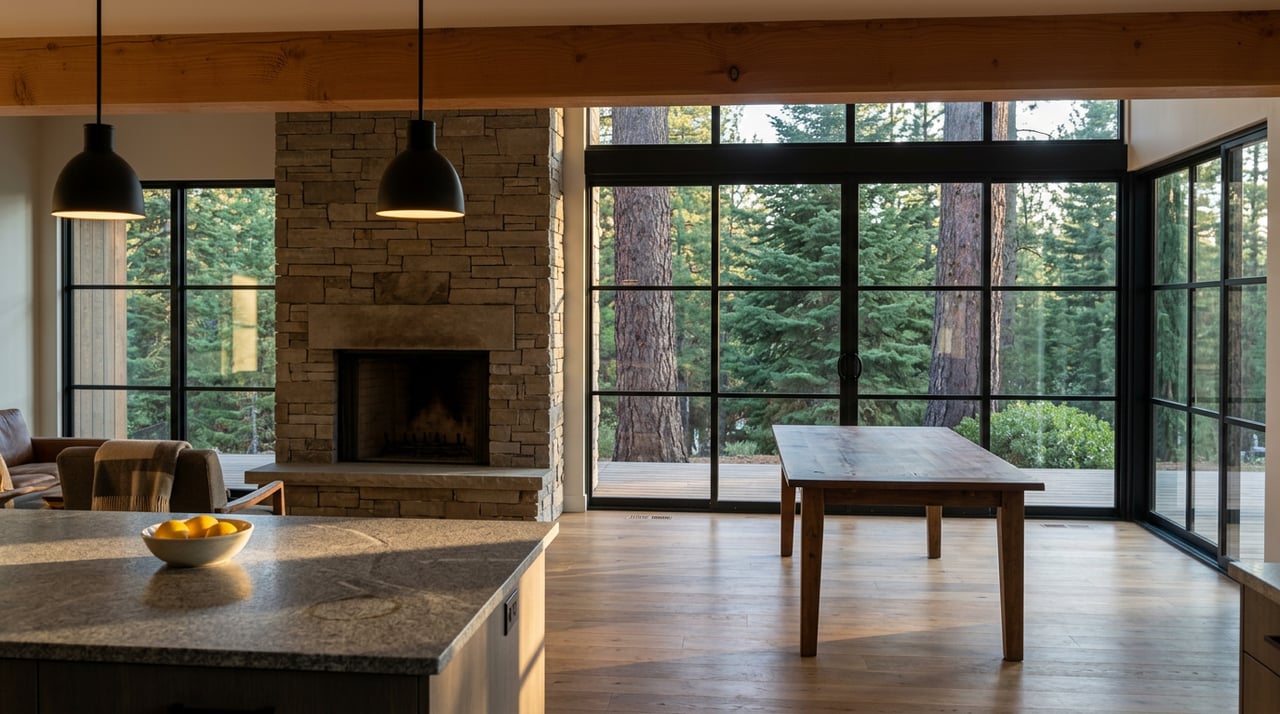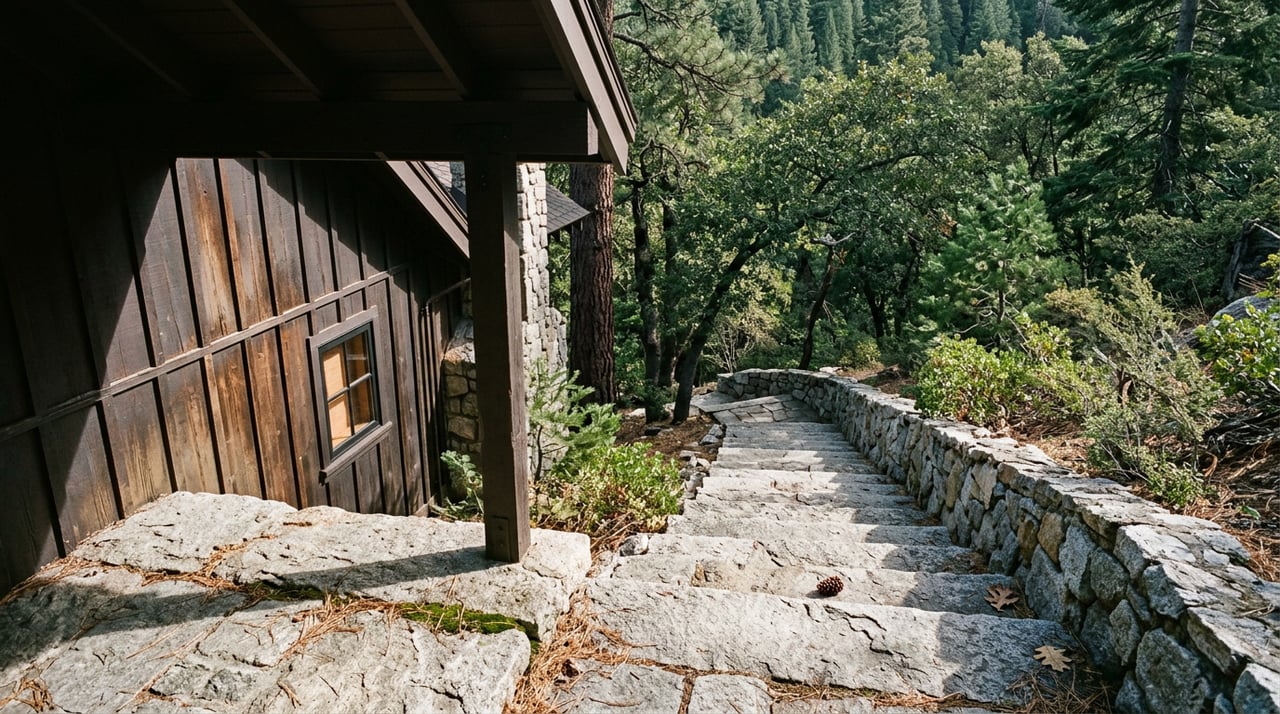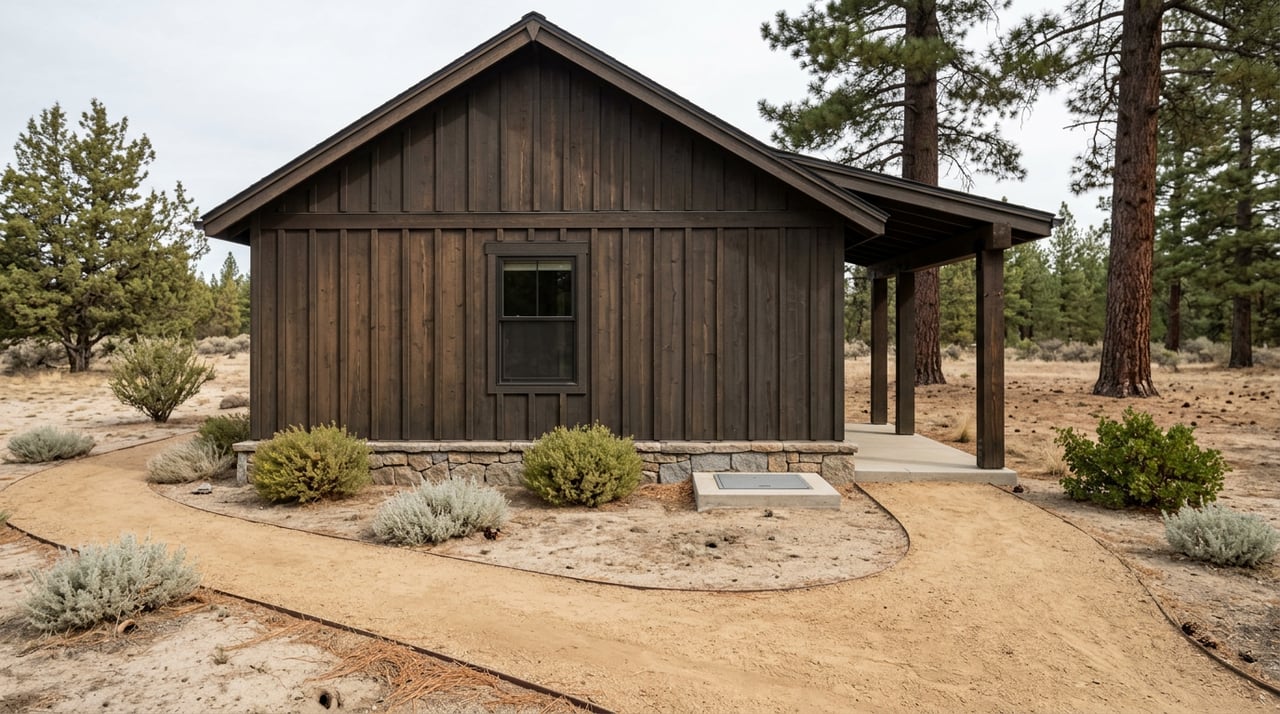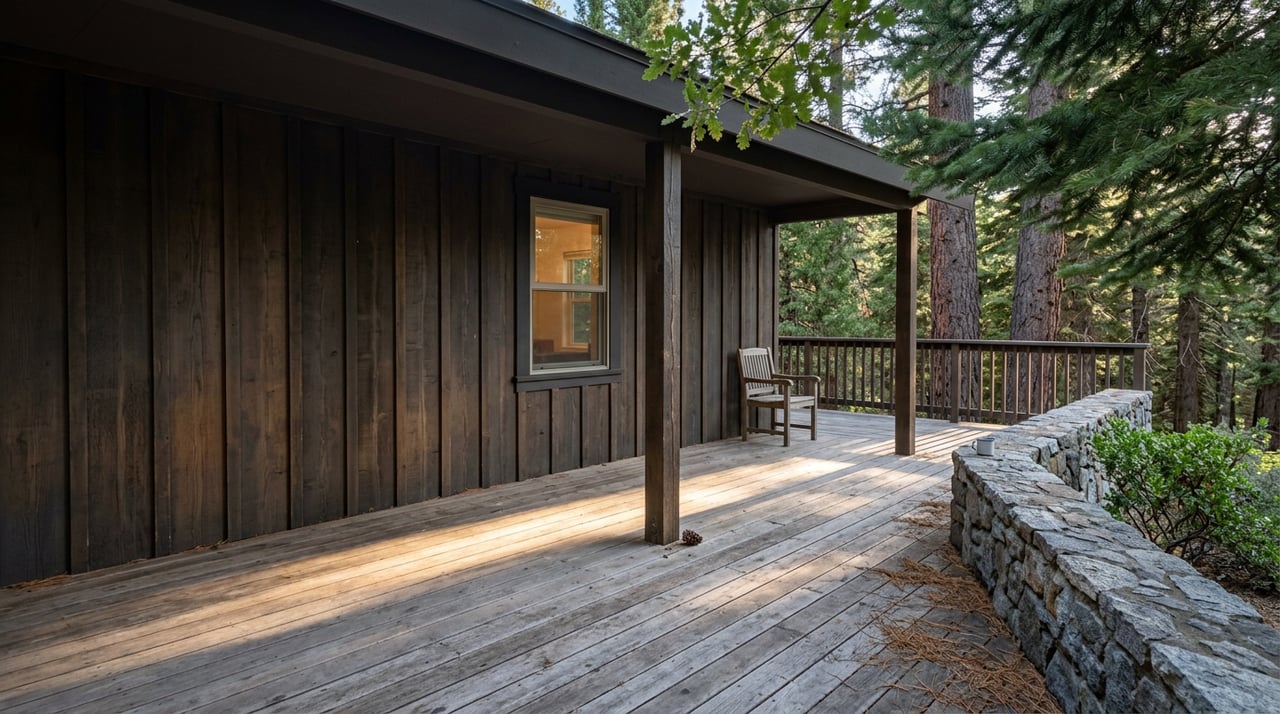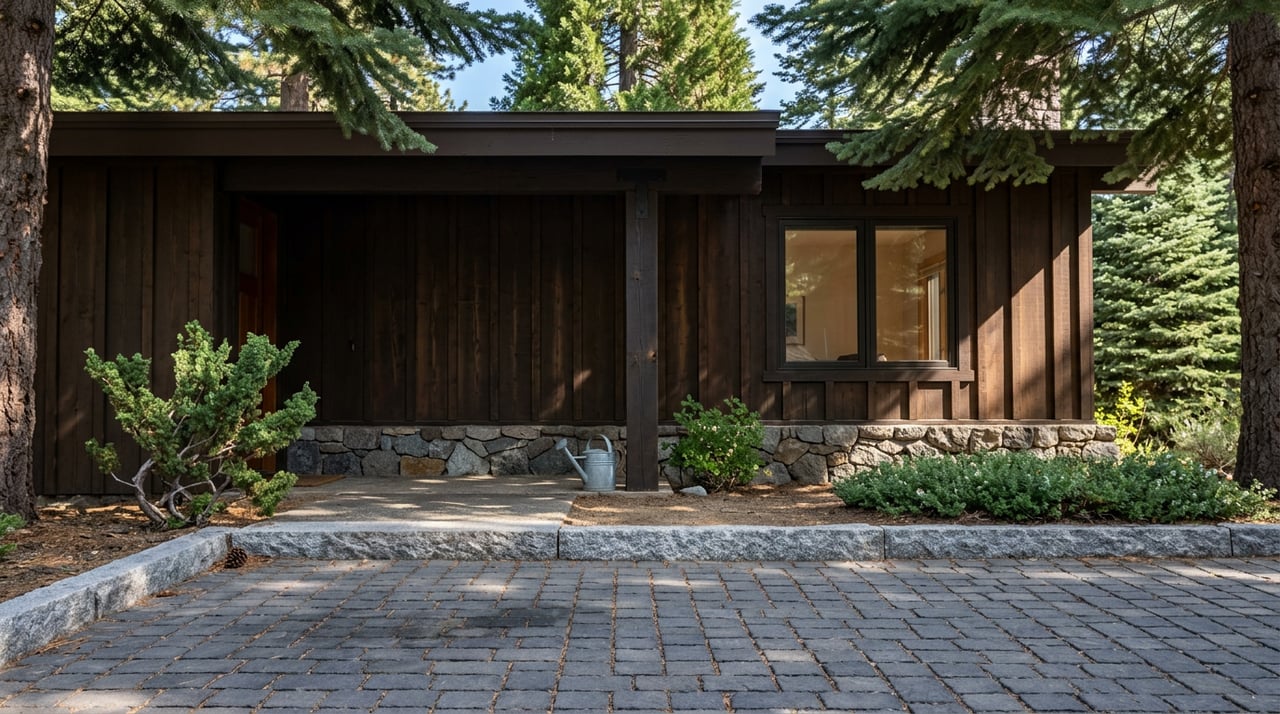
Two cabins on the same 92315 block, same square footage, same lake glimpse, listed within twenty thousand dollars of each other. On paper they are the same trade. In practice, one of them can be legally rented on July 15. The other cannot be legally rented until sometime in August, and only after its new owner writes a check for paved parking.
That gap is invisible on any portal, and it is the single most important thing a buyer is not being told about the Big Bear Lake short-term rental market this summer.
The License Belongs To The Owner, Not The House
Inside the City of Big Bear Lake, which is zip code 92315, every short-term rental has to hold a current Vacation Rental License. The city has been clear on this point for years, and it is worth reading in the city's own words: permits are not transferable, and a new owner must apply from scratch. That single sentence is what breaks the "turnkey STR" pitch you will hear on almost every listing tour.
Here is what actually has to happen after closing, before the first guest checks in:
- Submit a new registration application with the recorded deed or final closing statement, plus trust or LLC documents if the buyer is holding title through an entity.
- Provide current liability insurance declarations for the property.
- Pass a city home inspection. The city says the registration and inspection process runs roughly two to four weeks, and the home cannot be rented during that window.
- Pay the $605 registration fee.
- Have the owner, or the designated 24/7 agent, pass the city's 25-question ordinance exam at 100%. Certification is annual, not one-and-done.
- Post the printed license inside the home and post a compliant exterior sign with the code compliance hotline, the 24/7 agent phone number, maximum occupants, and maximum vehicles.
None of that transfers with the sale. It restarts.
What January 1, 2026 Quietly Did To The Comp Set
The bigger story this year is parking. The city's vacation rental ordinance grandfathered gravel parking for units licensed before January 11, 2021, but only until January 1, 2026. The city's own FAQ page spelled out the sunset date years in advance, along with the requirement that all guest parking be on-site in legal spaces, with street parking prohibited. New units cannot be permitted without paved parking at all.
That deadline has now passed. The market inside 92315 is quietly sorting itself into two piles. Cabins that already had conforming paved off-street parking are unaffected. Cabins that were operating on gravel are either paved, mid-permit, or off the rental rolls until they are. A buyer who reads a listing that says "successful vacation rental" needs to know which pile the house sits in, because bringing a lot into compliance on a tight sloped mountain parcel is not a weekend project. It can involve grading, drainage, retaining, and city permits well before a paver ever shows up.
This is the mechanism the median price hides. Two cabins that look identical to a Redfin search are not identical assets in July 2026.
The Two-To-Four Week Hole In Your First Summer
Peak revenue in Big Bear runs on a narrow calendar. The rental management operators who publish 2026 data describe the shape plainly, with the ski season roughly November through March and the summer lake season concentrated in July and August as the two revenue windows that carry the year. Visit Big Bear counts roughly seven million visitors annually against a permanent population near six thousand, and that ratio is where the pro forma comes from.
Now put the city's process on top of that calendar. A buyer who closes in early July, files immediately, and hits no inspection issues is looking at late July or early August before the first legal booking. If parking work is required, add whatever the contractor's timeline is on top. If the certification exam is scheduled around the city's availability, add that too. The lost nights are not hypothetical. Chalet's Big Bear Lake data puts the median host at $44,655 in gross revenue with an average daily rate around $310, which means a three-week outage during peak summer is not a rounding error against the underwriting.
The reason "buy the STR, keep the income" doesn't work in 92315 isn't a technicality. It is the ordinance, and it is designed that way.
How To Read A 92315 Listing This Summer
The diligence checklist for a Big Bear Lake vacation rental purchase looks different from what a buyer would run in most California markets. If the target is a city-limits cabin with STR intent, these questions belong in the first showing conversation, not the final walk-through:
- What is the current license status, and when was the last city inspection? Ask to see the license and the inspection notes.
- Is the on-site parking paved and compliant with the post-January 1, 2026 standard, or was the property operating on grandfathered gravel? If the latter, what is the plan and estimated cost to bring it into compliance?
- Does the occupancy count on the current license, calculated at one person per 200 square feet with a cap of 16, match what the listing is marketing?
- Does the seller have a 24/7 local contact in place who can hand off, or will you be sourcing a new certified agent inside a 15-mile radius?
- Are Transient Occupancy Tax and BBLTBID remittances current? Since January 1, 2024, the city has required nightly-stay reporting even when the platform remits on the operator's behalf.
- Any open code compliance concerns filed through the city's Report a Concern platform? Fines start at $500 for a first violation, $1,000 for a second, and unresolved issues carry over.
None of that shows on the MLS. All of it lives at City Hall or in the seller's records, and any listing agent who cannot produce it quickly is telling you something.
What This Means Against A Softening Median
The headline data at the moment reads soft. Over the three months ending May 2026, Redfin put the Big Bear Lake median sale price at $571,000, down 0.67% year over year, with days on market compressing to 52 from 82 a year earlier. Houzeo's read on the same period showed 9.7 months of supply and a sale-to-list ratio of 96.57%, with the share of homes selling over asking cut roughly in half from a year prior. Zillow's home value index for the city sat near $551,000, off 5.7% over twelve months. The stories differ by source, but they point in the same direction. Buyers have leverage they did not have in 2022 or 2023.
The point that gets missed is where the leverage actually lands. In a market with nearly ten months of supply, the buyer of a compliant, paved, currently-licensed cabin is negotiating on price. The buyer of a formerly-gravel cabin whose seller has not yet paved is negotiating on price and on a very specific compliance credit. The seller who insists their home is an income property, but cannot show a current license and a January-2026-compliant parking plan, is selling a residence with an aspiration attached to it. Those are three different trades, and they should not clear at the same number.
That is the argument. The median tells you nothing about which of the three you are looking at.
FAQ
Does the county side of Big Bear work the same way? No. Properties outside 92315, including Big Bear City, Fawnskin, Sugarloaf, and Erwin Lake, fall under San Bernardino County's Short-Term Residential Rental Unit permit, which currently runs $599 for a two-year term with biennial inspection. The city's paved-parking sunset does not apply there, and county rules on occupancy and inspection differ in the details. If you are shopping across the two jurisdictions, you are shopping two different regulatory products.
How many STR permits can one owner hold in Big Bear Lake? The ordinance caps a single individual or entity at two licenses, and the city treats trust and LLC structures as the same person for that count. Investors building a portfolio here need to plan the ownership structure before the second offer, not after.
What is the total tax the guest pays on a Big Bear Lake nightly stay? Thirteen percent, comprising a 10% Transient Occupancy Tax effective January 1, 2025, plus a 3% Big Bear Lake Tourism Business Improvement District assessment collected by the city and remitted in full to Visit Big Bear.
Is professional management required? Not required, but the city's 24/7 agent rule and the 30-minute in-person response standard make absentee self-management difficult in practice. Full-service local management typically runs 20% to 35% of gross rental revenue.
Buying Inside 92315 This Summer
The buyers we work with who do well in this market do two things differently. They price the compliance status of the house, not just the house. And they build the two-to-four week permit window into the offer, either as a closing-date lever or as a seller credit tied to bookings the buyer will not be able to accept.
SoCal Resorts Group has been transacting these cabins long enough to know which streets, lots, and sellers still carry the gravel-parking problem, and which listings are cleanly relicensable. If you are underwriting a Big Bear Lake vacation rental for summer 2026 or the coming ski season, we would rather walk the parking pad and read the license with you before you write the offer. Reach out for a free home valuation or a candid look at any listing you are considering.