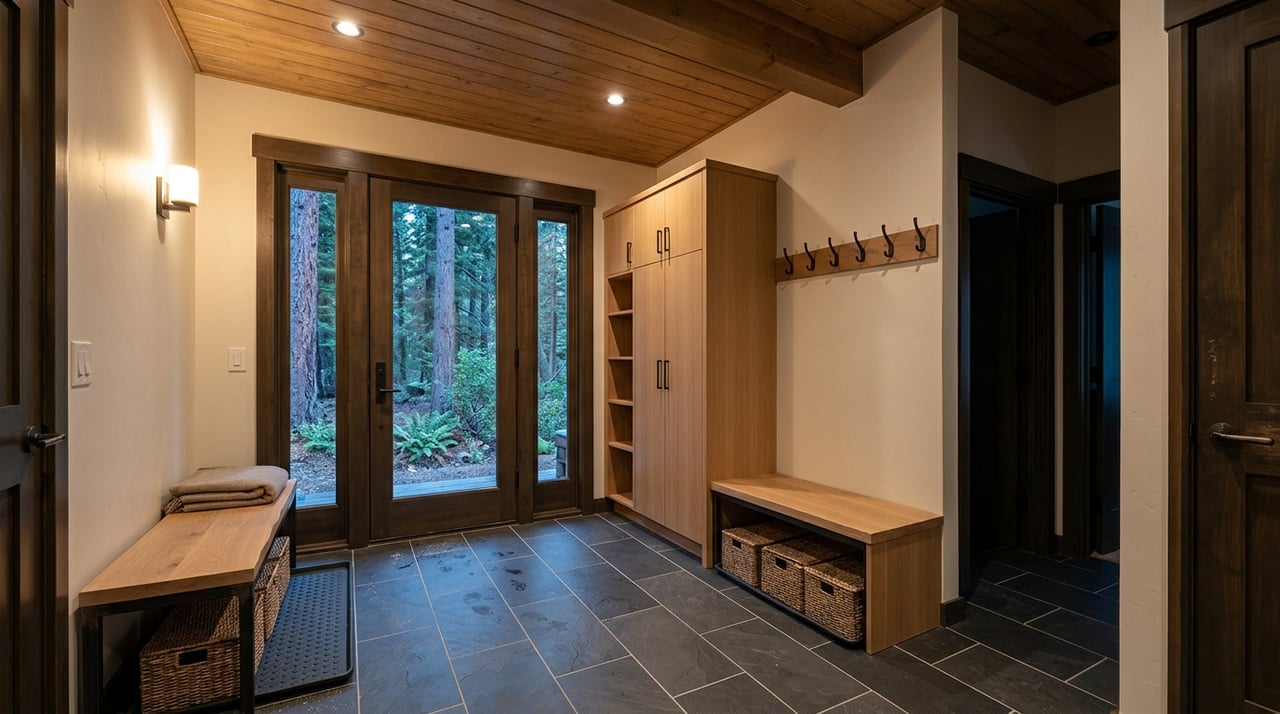
If you are thinking about buying a cabin for short-term rental income, Running Springs can look appealing at first glance. You get four-season outdoor demand, a mountain setting close to Southern California, and a quieter resort feel that many guests want. But in this market, vacation rental potential is not just about charm or location. It depends on whether the property can actually work within county rules and winter operations. Let’s dive in.
Why Running Springs draws visitors
Running Springs sits in San Bernardino County’s Hilltop Communities, where the county’s long-term vision supports tourism tied to the natural environment. That includes hiking, biking, walking trails, sledding, snow play, and snow-related recreation across the seasons.
For buyers, that matters because demand is tied to the setting itself, not just to one event or one peak season. You are looking at a mountain market built around outdoor use and destination-style stays.
Snow Valley supports year-round appeal
One of the clearest demand drivers is nearby Snow Valley Mountain Resort. The U.S. Forest Service identifies Snow Valley as being just east of Running Springs on Highway 18 and highlights skiing, snowboarding, mountain biking, and day hikes there.
That gives Running Springs a practical tourism anchor in both winter and warmer months. If you are evaluating rental potential, nearby recreation is part of the story, but it should never be the whole story.
The guest profile is often quieter
Based on the county’s planning language, Running Springs is better understood as a quieter, family-oriented mountain market than a party-driven one. That can shape the kind of property that performs best.
In many cases, the stronger fit is a well-kept cabin that offers comfort, easy access, and simple mountain hospitality. You may have less need for flashy extras and more need for smooth, reliable operations.
Access matters more than you think
In Running Springs, highway access is more than a convenience item. San Bernardino County’s transportation planning notes that State Route 18 runs through the mountain resort corridor and State Route 330 continues north to Running Springs at the junction with SR-18, with mountain highway conditions and one lane in each direction.
That means your underwriting should account for travel logistics, winter weather, and snow conditions. A beautiful cabin can become much harder to operate if access is difficult during busy or snowy periods.
Winter readiness affects the guest experience
The county maintains snow information resources that include weather links, webcams, and snow-removal road mapping. For you as a buyer, that reinforces a simple point: winter readiness is part of the investment.
You should think about how guests arrive, where they park, and whether the home stays functional during snow events. In mountain markets, practical usability can matter just as much as photos and finishes.
County rules shape the opportunity
If the property is in unincorporated San Bernardino County, a short-term rental permit is required before you advertise or rent it for stays of less than 30 days. The county says the permit is valid for one year, and permits are not transferable to a new owner.
That last point is especially important during a purchase. Even if a seller has been operating the home as a short-term rental, you still need to file a new application after closing.
Permit costs and enforcement are real
According to the county FAQ, effective July 1, 2025, a new short-term rental application costs $1,144. A renewal with no changes costs $550.
The county also states that operating without a valid permit can lead to an administrative fine of $1,000 per violation per day, or jail, or both. For that reason alone, it is smart to treat permit review as part of your buying decision, not as an afterthought.
Inspections happen before approval
Before issuing a permit, the county performs at least an exterior inspection. The purpose is to determine parking capacity and verify compliance.
The owner is also responsible for compliance with fire, building, and other applicable codes. So when you evaluate a property, you are not just buying a cabin. You are buying the ability to operate it legally.
Occupancy and parking can make or break the deal
In Running Springs, the best-looking property is not always the best rental candidate. Two county-controlled factors often decide the answer much faster: legal bedroom count and on-site parking.
If either one falls short, the home may not support the occupancy you expected. That can affect both revenue potential and whether the property works at all as a short-term rental.
Occupancy is based on legal bedrooms
San Bernardino County bases occupancy on bedroom count verified through assessor data and building records. The code gives examples of four occupants for a studio or one-bedroom unit, six for two bedrooms, eight for three bedrooms, ten for four bedrooms, and twelve for five bedrooms, with an absolute cap of 12 occupants.
The county also makes clear that spaces like living rooms, dens, dining areas, halls, closets, storage rooms, utility areas, kitchens, and bathrooms do not count as bedrooms. If a home is marketed casually as sleeping more people than the records support, that does not change the legal occupancy.
Parking must work in all seasons
All guest vehicles must be parked on the short-term rental property. Garage, carport, driveway, and tandem spaces can count, but approved parking areas must remain clear of obstructions, including excessive snow.
No vehicle related to the rental may be parked on neighboring property or on public or private roads. Occupancy is also limited by the capacity of the on-site parking spaces, which is why parking is such a critical screening item in Running Springs.
What smart buyers look for
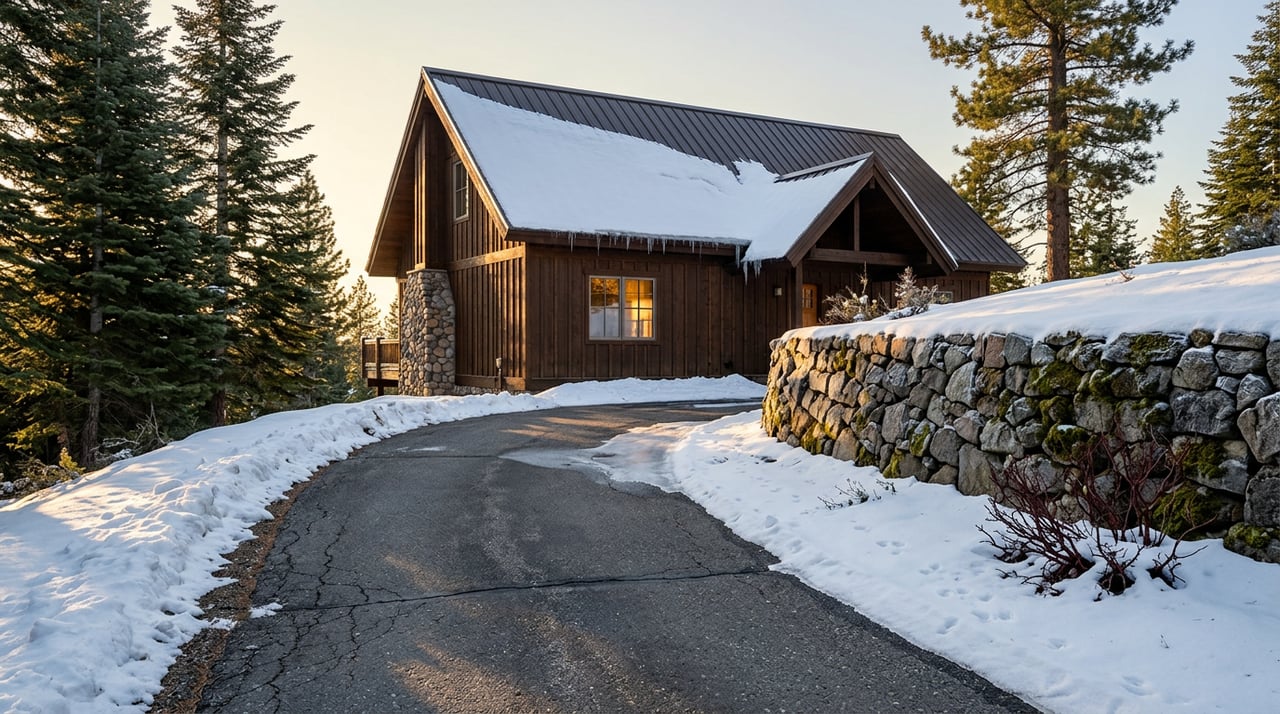
When you walk a property, pay close attention to the driveway and parking setup. In many cases, flatter and wider driveways, practical turnarounds, and enough room for snow management are more important than cosmetic upgrades.
A cabin can feel perfect online and still underperform in real life if guests struggle to park legally after a storm. In this market, usable parking is part of the income story.
Amenities need a mountain-specific lens
Some buyers assume more amenities always mean more rental appeal. In Running Springs, county rules and mountain conditions push you toward a more practical view.
The county prohibits solid-fuel burning outdoor fireplaces, chimineas, barbeques, and fire pits in the Mountain Region. Hot tubs must be covered and locked when not in use, and the property must be kept free of hazardous conditions.
Safety and operations come first
County fire-code provisions also require defensible space and fuel breaks around structures in mountainous areas. That means outdoor enjoyment matters, but safe operation and ongoing maintenance matter more.
For many buyers, the better question is not, “Does this cabin have every extra?” It is, “Can this home deliver a clean, safe, easy guest stay in all seasons?”
The best fit is often simple and reliable
A strong short-term rental candidate in Running Springs may look more like a quiet, well-managed cabin than a high-energy entertainment property. Dependable heating, clear house rules, good access, and straightforward guest communication can go a long way.
The county requires posted notices that include an emergency contact, maximum occupants, maximum vehicles, a snow-removal contact, utility disconnect instructions, and a property-boundary map. The owner or agent must also be reachable by phone 24/7 and able to be physically present within one hour.
Commercial-style use is restricted
This is an important detail for investors who imagine using a mountain property for events. San Bernardino County states that a short-term rental cannot be used for commercial activity such as weddings, receptions, corporate retreats, business meetings, conferences, filming, photography shoots, or parties unless separately permitted.
Advertisements for a permitted short-term rental must also specify the maximum permitted occupants and vehicles. So if your business plan depends on event-style use, that is a sign to reassess the property or the strategy.
A practical pre-offer checklist
Before you write an offer on a Running Springs cabin for vacation rental use, it helps to pressure-test the basics. The goal is to decide whether the property truly fits the county’s regulatory and operational realities.
Here are some of the most important items to review:
- Confirm the legal bedroom count using assessor and building records.
- Map every legal on-site parking space.
- Check whether those parking spaces stay usable during snow season.
- Review driveway grade, access, and winter arrival logistics.
- Verify the property can meet fire-hazard abatement and defensible-space requirements.
- Confirm trash service and snow-removal logistics.
- Plan for 24/7 phone response and the ability to be physically present within one hour.
- Review any HOA, lender, or insurance restrictions.
- Study county permit rules, fee schedules, occupancy rules, parking rules, and tax requirements before closing.
How to evaluate the real opportunity
The most useful question is not whether Running Springs allows short-term rentals in a broad sense. The better question is whether this specific property can support legal occupancy, legal parking, winter access, and day-to-day compliance.
That is where local guidance can save you time and money. A mountain-focused real estate team can help you look past listing photos and evaluate whether the layout, access, and operations really fit the use you have in mind.
If you want help evaluating a Running Springs property for vacation-rental potential, the team at SoCal Resorts Group can help you assess mountain-market fit, buying strategy, and the practical details that matter before you commit.
FAQs
What makes Running Springs attractive for vacation rentals?
- Running Springs benefits from four-season outdoor recreation demand, including hiking, biking, sledding, snow play, and access to nearby Snow Valley Mountain Resort.
Do you need a short-term rental permit in Running Springs?
- Yes. In unincorporated San Bernardino County, a permit is required before advertising or renting a property for fewer than 30 days.
Can a seller’s short-term rental permit transfer to a buyer?
- No. San Bernardino County says short-term rental permits are not transferable, so a new owner must file a new application.
Why is parking so important for Running Springs rentals?
- County rules require all guest vehicles to be parked on the property, and occupancy is also limited by the capacity of the approved on-site parking spaces.
How does San Bernardino County set occupancy for a short-term rental?
- The county bases occupancy on verified bedroom count, with example limits ranging from four occupants for a studio or one-bedroom unit up to a maximum cap of 12 occupants.
Can a Running Springs short-term rental host parties or events?
- Not as a standard short-term rental use. The county prohibits commercial activities like weddings, receptions, conferences, filming, photography shoots, and parties unless separately permitted.
What should you check before buying a Running Springs rental property?
- Focus on legal bedroom count, on-site parking, winter access, snow-removal logistics, fire-safety compliance, and whether you can meet the county’s response and operational requirements.