Wondering which Fawnskin cabin fits your lifestyle, budget, and plans for the lake? You’re not alone. With its quiet north-shore vibe and mix of vintage cabins and view lots, Fawnskin rewards buyers who understand how style and site shape daily living and long-term costs. In this guide, you’ll learn how common Fawnskin cabin styles and lot types compare, what to expect for maintenance and privacy, and the due diligence steps to take before you write an offer. Let’s dive in.
Why Fawnskin on Big Bear’s north shore
Fawnskin sits on the north shore of Big Bear Lake and feels more residential and wooded than the busier south shore and Village areas. Many homes angle toward lake and forest views, and the pace is calmer with fewer commercial corridors. If you want a rustic retreat, quieter streets, and easy access to lake activities, Fawnskin often checks the boxes.
Compared with the Village or Moonridge, you typically trade a longer drive to restaurants and ski lifts for more privacy and a more local feel. Rental demand can follow a different seasonal rhythm, with strong summer appeal for lake time and a quieter winter compared with ski-adjacent neighborhoods.
Fawnskin is in unincorporated San Bernardino County. That means county planning, building, septic, and fire rules apply. Lots near the San Bernardino National Forest may also be affected by federal land rules or easements.
Cabin styles in Fawnskin
Rustic log cabins and historic wood cabins
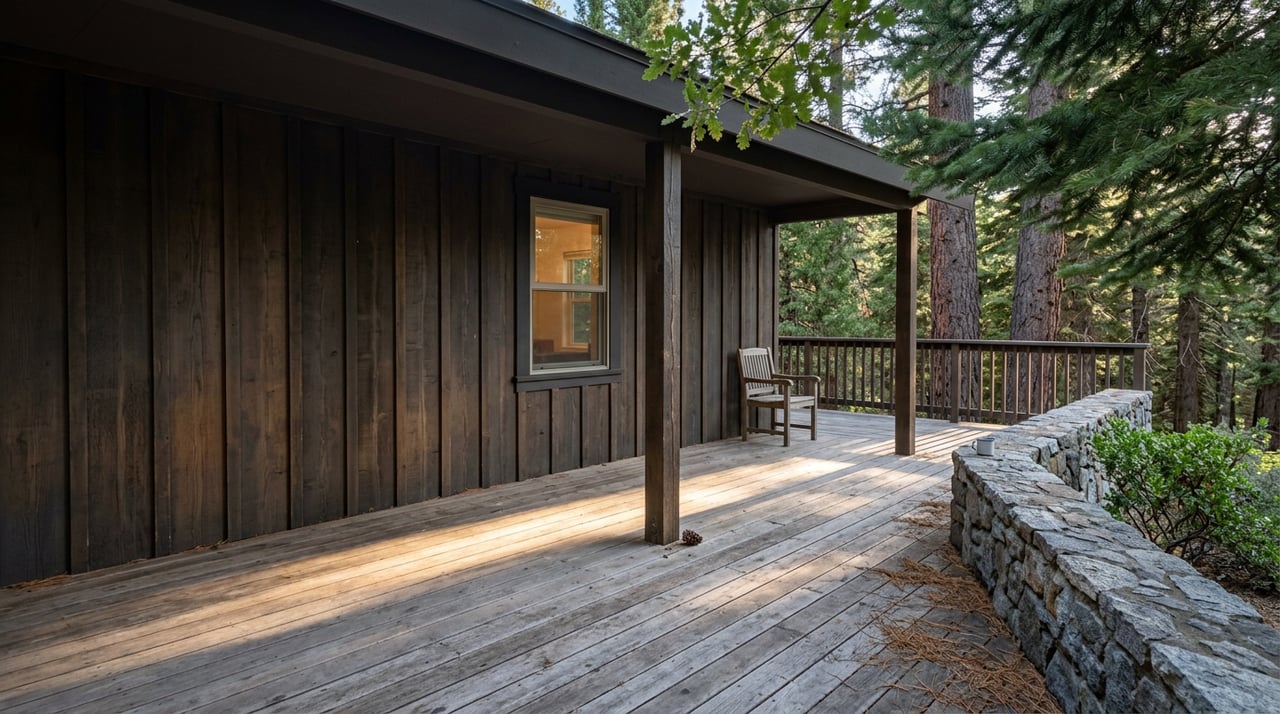
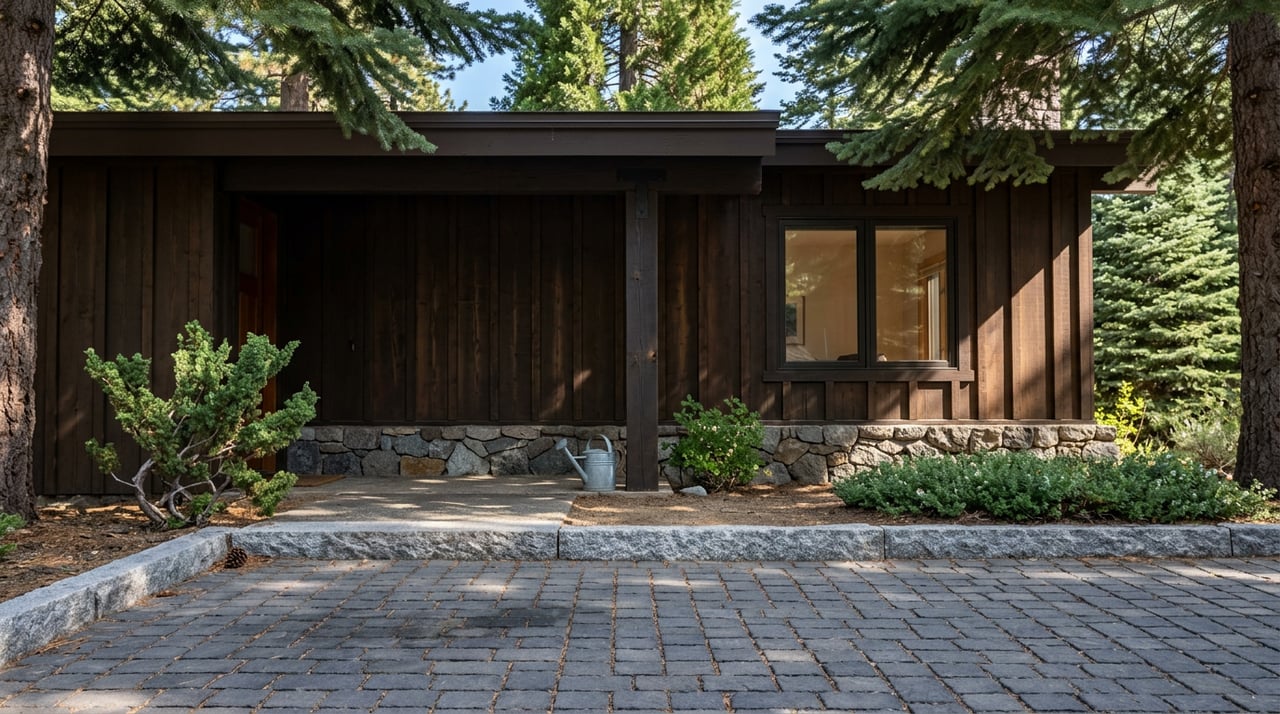
These cabins often feature full or half-log exteriors, exposed beams, and cozy footprints. The look and feel are classic mountain.
- What you’ll love: Strong sense of place and authenticity, often near original lake-oriented parcels.
- What to plan for: Regular staining and sealant, chinking or caulking as needed, and routine checks for insects, rot, and moisture. Many older systems may need upgrades for modern comfort and safety.
A-frame cabins
With steep rooflines and dramatic interior volume, A-frames are built for snow shed and style.
- What you’ll love: Iconic silhouette, big gable windows, and lofted spaces.
- What to plan for: Larger, steep roofs that cost more to replace, limited wall space for added insulation, and higher costs if you upgrade big-glass windows. If you plan to rent, evaluate loft and stair safety.
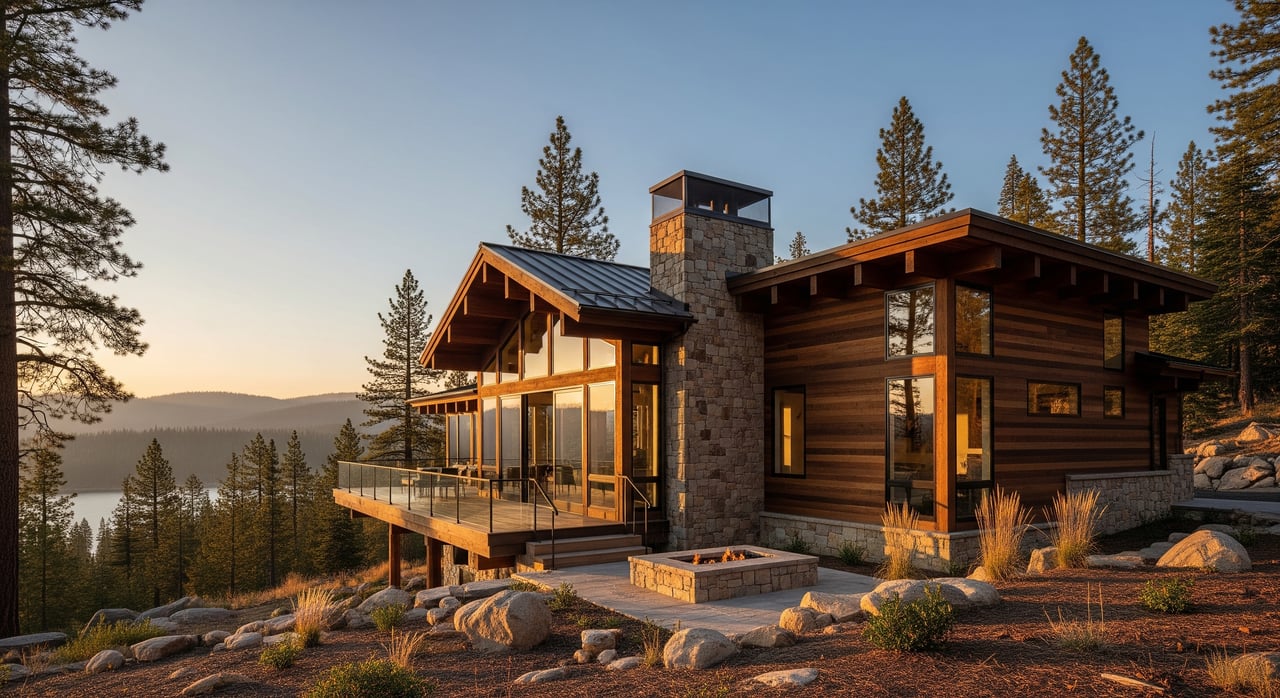
Chalet-style and alpine-inspired homes
Think wide eaves, exposed structure, and multiple decks that chase sightlines of the lake and pines.
- What you’ll love: Mountain-lodge ambiance and panoramic views.
- What to plan for: Ongoing deck and railing upkeep, water management at eaves, and higher repair costs from complex rooflines. Confirm balcony and railing safety and code compliance.
Updated or modern mountain homes
Newer builds or remodeled cabins may use composite siding, efficient windows, and open layouts.
- What you’ll love: Lower near-term maintenance and better energy performance.
- What to plan for: Even with modern materials, wildfire resilience still matters. Keep up on defensible space and make sure drainage and landscaping fit the site.
Mid-century and Craftsman cottages
Smaller, charming homes with simpler rooflines and period details.
- What you’ll love: Attainable entry point and cozy scale.
- What to plan for: Potential upgrades to insulation, windows, HVAC, and plumbing. Wood siding may need work to boost winter comfort and durability.
Lot types and site traits
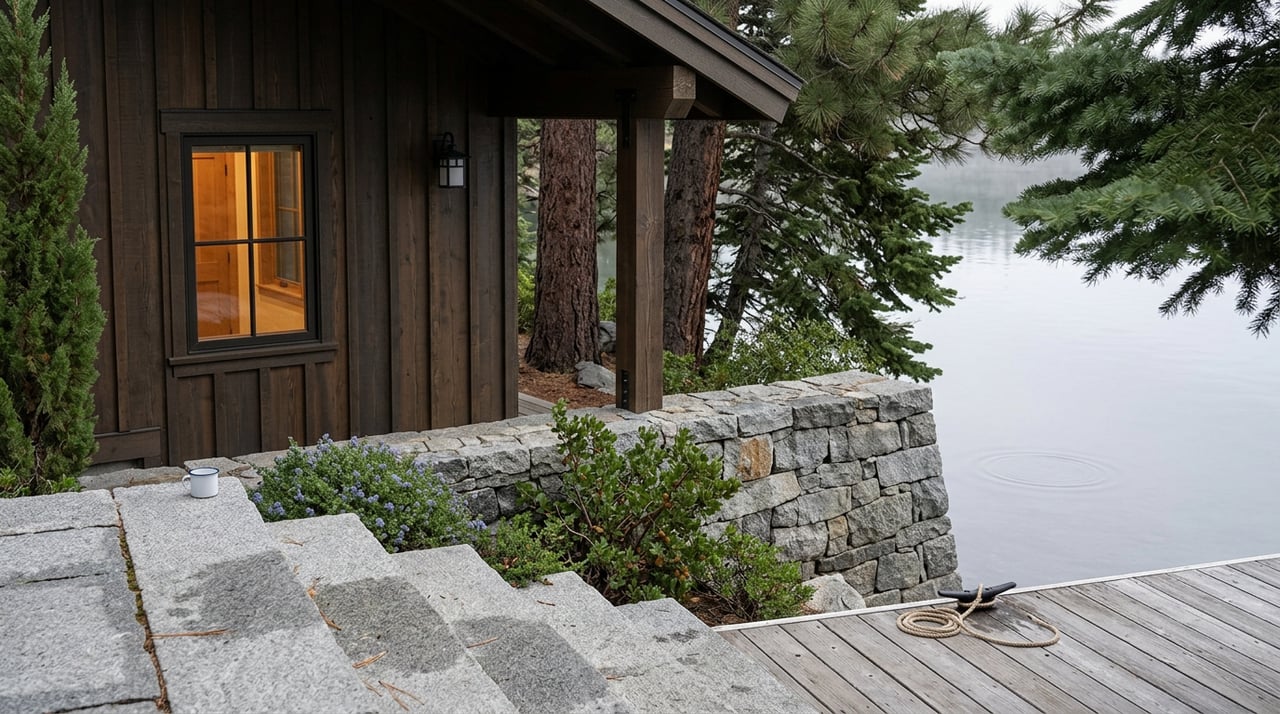
Lakefront parcels
Direct shoreline access is the ultimate lifestyle upgrade in summer.
- Benefits: Immediate water access, potential for docks, and top-tier buyer appeal.
- Considerations: Shoreline and dock work may require permits and added approvals. Expect higher insurance exposure and ongoing dock and erosion maintenance.
Lakeview lots
Not on the water, but oriented toward views.
- Benefits: Views without shoreline permitting and often better privacy.
- Considerations: Steeper driveways and stairs are common. Plan for drainage, retaining walls, and winter access strategies.
Forest-edge or heavily wooded lots
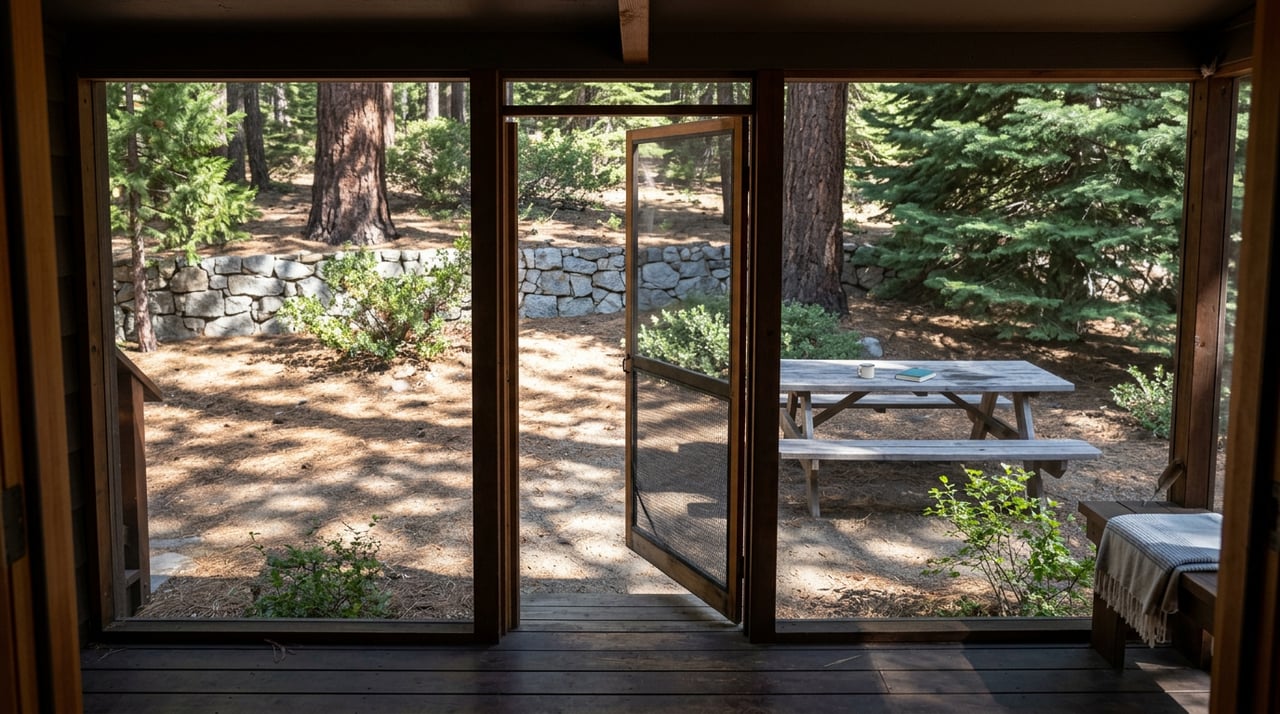
Nestled amid pines for a true mountain feel.
- Benefits: Privacy, shade, and a quiet setting.
- Considerations: Higher wildfire risk, debris cleanup, and tree health management. Tree work near protected areas may require approvals.
Hillside or steep-slope parcels
Perched for sightlines and separation from neighbors.
- Benefits: Bigger views and a tucked-away feel.
- Considerations: Engineering for foundations, retaining walls, and drainage can add cost. Access and septic systems may be more complex.
Flat or level parcels
Simpler sites with easier access.
- Benefits: Straightforward construction, parking, and snow removal. Septic or well installs are often simpler.
- Considerations: Fewer views and potentially less privacy depending on surroundings.
Riparian or creek-adjacent lots
Natural features and a cooler microclimate.
- Benefits: Scenic appeal and soothing soundscape.
- Considerations: Seasonal flood risk and environmental setbacks. Bank stabilization and any near-water work can trigger permits.
How style and lot shape ownership
Costs and upkeep
- Wood and log exteriors add recurring tasks like staining, pest checks, and moisture mitigation.
- Large or complex roofs, such as on chalets and A-frames, are pricier to maintain and replace.
- Decks, balconies, and piers need frequent inspection and repairs, especially on slopes.
- Long or steep driveways raise snow removal costs and may need upgraded surfacing to reduce erosion.
Privacy and noise
- Forest-edge and hillside parcels usually deliver more privacy.
- Lakefront can vary. End-of-cove settings feel private, while homes near launches or busy coves see more activity.
- North-shore streets in general feel quieter than the Village-adjacent areas.
Seasonal enjoyment
- Lakefront and lakeview shine in summer and still offer year-round scenery.
- If winter skiing is your top priority, south-shore or Moonridge addresses place you closer to lifts and winter amenities.
- Steep sites can limit flat outdoor areas. Plan for terraces or engineered solutions if you want play space or a level BBQ zone.
Insurance and permits
- Wildfire risk can influence premiums and underwriting. Insurers look at defensible space, roof materials, and distance to fire services.
- Septic issues on older cabins can be costly. Verify system specs, permits, and service history.
- Shoreline projects and tree work near protected areas often require permits. Budget time and costs accordingly.
Short-term rentals and resale
- STR demand varies by micro-neighborhood. Ski-adjacent areas often see stronger winter occupancy, while Fawnskin may skew toward summer lake stays.
- County STR rules and transient occupancy taxes apply. Always confirm current registration and permit status.
- Lakefront and well-updated cabins tend to command premium resale value. Unique vintage cabins attract dedicated buyers but may need upgrades to shorten days on market.
Due diligence checklist
Use this list to reduce surprises before you commit:
- Water source: Confirm public water or private well. For wells, order water quality and flow tests.
- Sewer or septic: Verify connection or septic specs, age, capacity, tank and drain field location, and last service.
- Roof: Inspect age, materials, ventilation, and remaining life. Confirm snow-load design on steep or complex roofs.
- Foundation and drainage: Look for movement, slope erosion, and water management issues.
- Electrical and heating: Older cabins may need panel upgrades and modern venting.
- Pest and rot: Schedule inspections focused on wood structures and log elements.
- Survey and boundaries: Verify property lines, encroachments, easements, and any shoreline boundaries.
- Trees and defensible space: Assess tree health and removal restrictions. Plan for fuel reduction and gutter/debris clearing.
- Access and snow: Clarify road ownership, maintenance, and snow removal responsibilities.
- Connectivity: Check broadband and cellular performance if remote work or streaming matters.
Questions to ask before you write an offer
- Who maintains the road, and how is snow removal handled each winter?
- Is the home on public water or a private well, and are recent water reports available?
- If on septic, when was it last pumped and permitted, and what is the capacity?
- Have there been any insurance claims tied to wildfire, water intrusion, or foundation issues?
- Are there any open permits, code violations, or unpermitted additions?
- If a dock or lake access is included, is it permitted and transferable?
- What is typical winter access like, and will a 4WD vehicle be advisable?
Local resources to consult
- San Bernardino County Land Use Services for zoning, building, and septic permitting
- San Bernardino County Assessor for property records and tax history
- San Bernardino National Forest for guidance on adjacent federal land and fuel management
- CAL FIRE for wildfire risk and defensible space standards
- Local fire protection district for response times and site-specific recommendations
- Water district or municipal water provider for service confirmation
- County environmental health for septic and well permitting
- County offices overseeing short-term rental rules and transient occupancy tax
- Local MLS and county sales data to compare north-shore trends with the Village and Moonridge
Fawnskin vs other Big Bear areas
If you want a lively scene near restaurants, shops, and events, the Village and south-shore neighborhoods keep you close to the action and to Snow Summit. For ski-first buyers, Moonridge often delivers the most convenient winter access and can drive stronger peak-season rental demand. Fawnskin trades some of that convenience for quieter streets, a more wooded feel, and a lifestyle centered on lake views and forest settings. Decide which season and setting matters more to you, then align cabin style and lot choice with that priority.
Next steps
Choosing the right Fawnskin cabin starts with clarity on style, site, and the true costs of ownership. If you want local guidance, hands-on vendor coordination, and help evaluating STR potential, our team is here to help. Reach out to the SoCal Resorts Group for a clear plan tailored to your goals on Big Bear’s north shore.
FAQs
What makes Fawnskin different from the Village or Moonridge?
- Fawnskin offers quieter, more wooded streets and lake-focused living, while the Village and Moonridge place you closer to restaurants, shops, and ski lifts.
Which Fawnskin cabin style needs the most upkeep?
- Log and older wood cabins usually need the most routine care, including staining, pest checks, and moisture management.
How do steep lots in Fawnskin affect costs?
- Steep sites often require engineered foundations, retaining walls, and enhanced drainage, which raise build and maintenance expenses.
Are docks on Fawnskin lakefront parcels always allowed?
- Dock use and shoreline work are not automatic and can require permits and approvals, so verify the current status and rules before you buy.
Is wildfire insurance harder to get in Fawnskin?
- Insurers weigh wildfire risk and defensible space, so expect scrutiny of roof materials, vegetation management, and proximity to fire services.
Is Fawnskin good for short-term rentals?
- It can be, especially for summer lake stays, but occupancy and pricing differ from ski-adjacent areas, and county STR registration and rules apply.