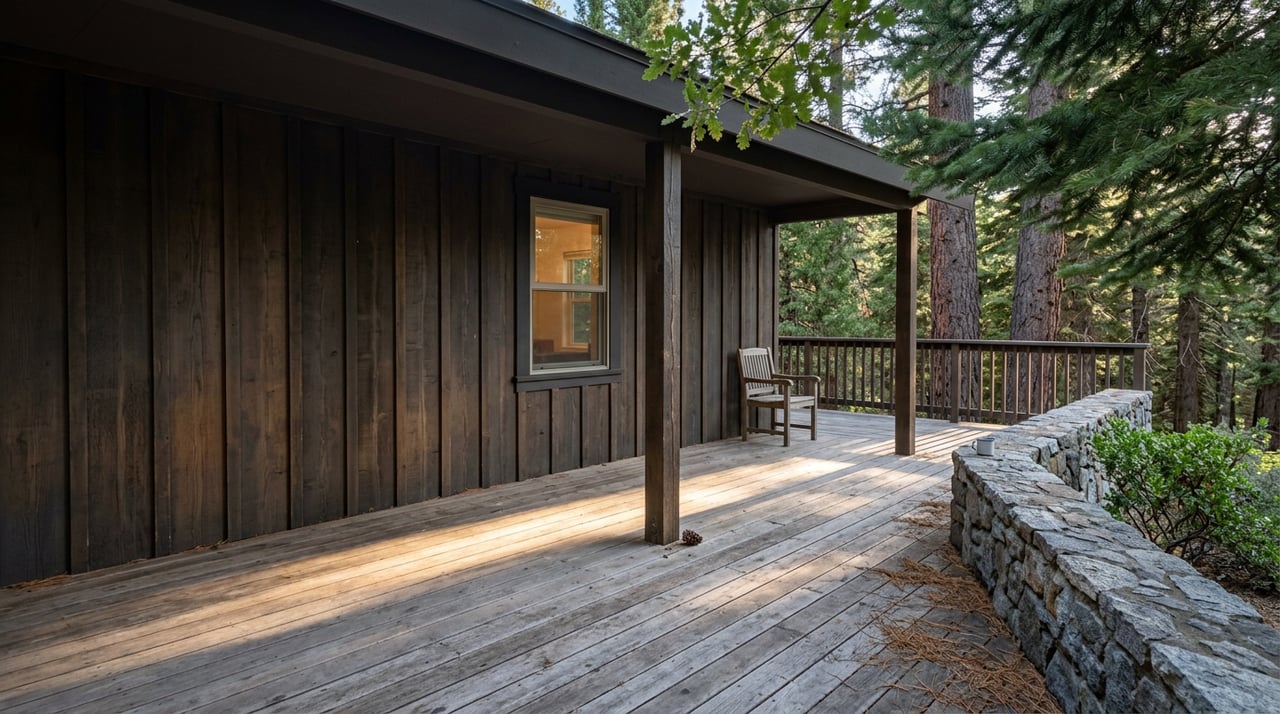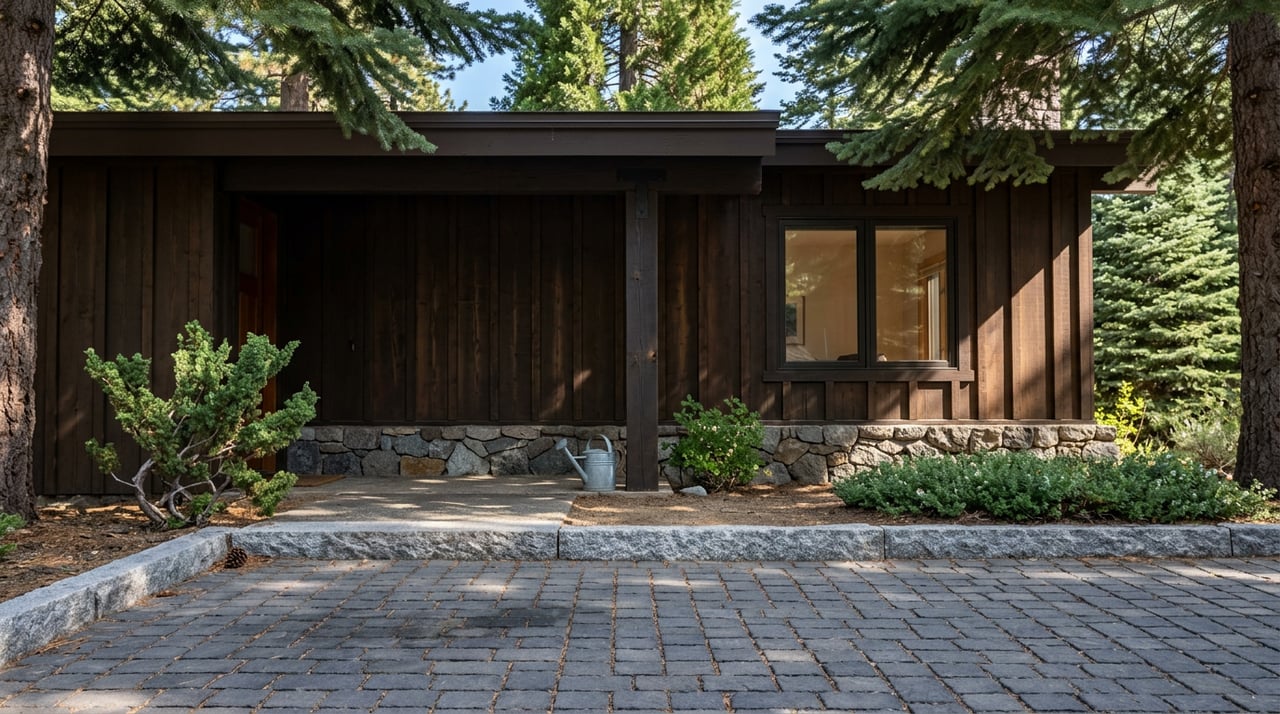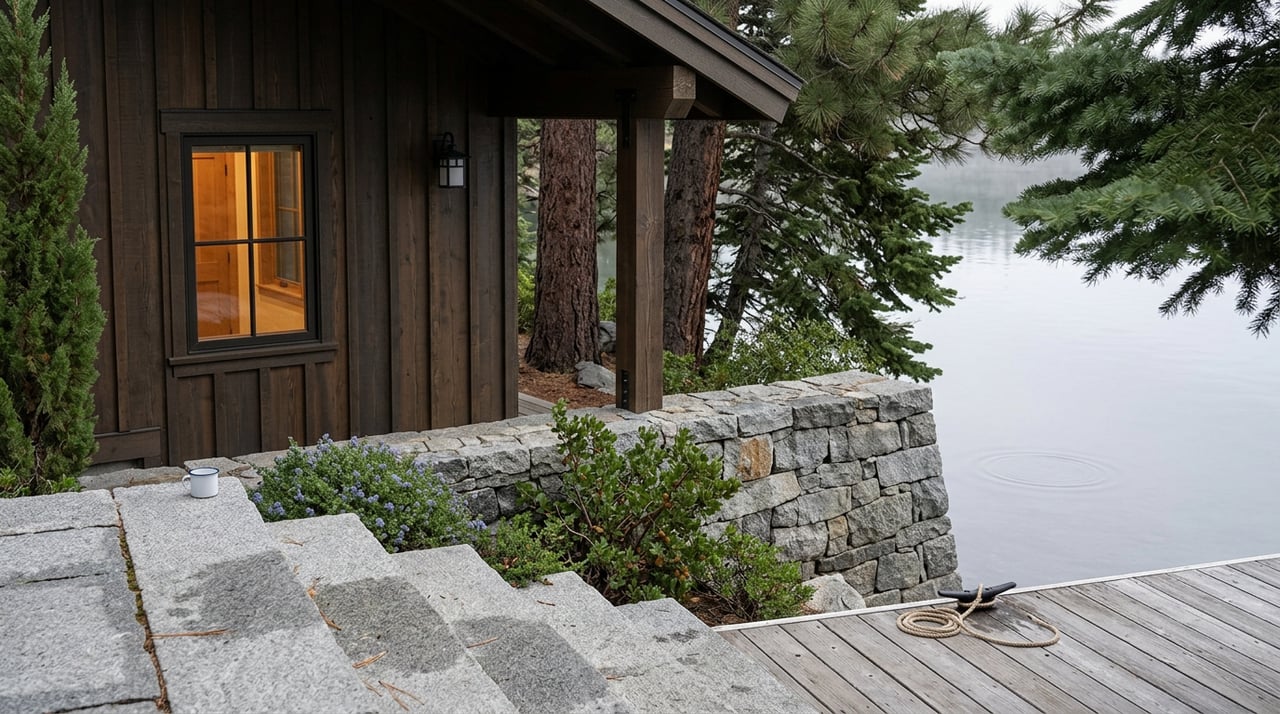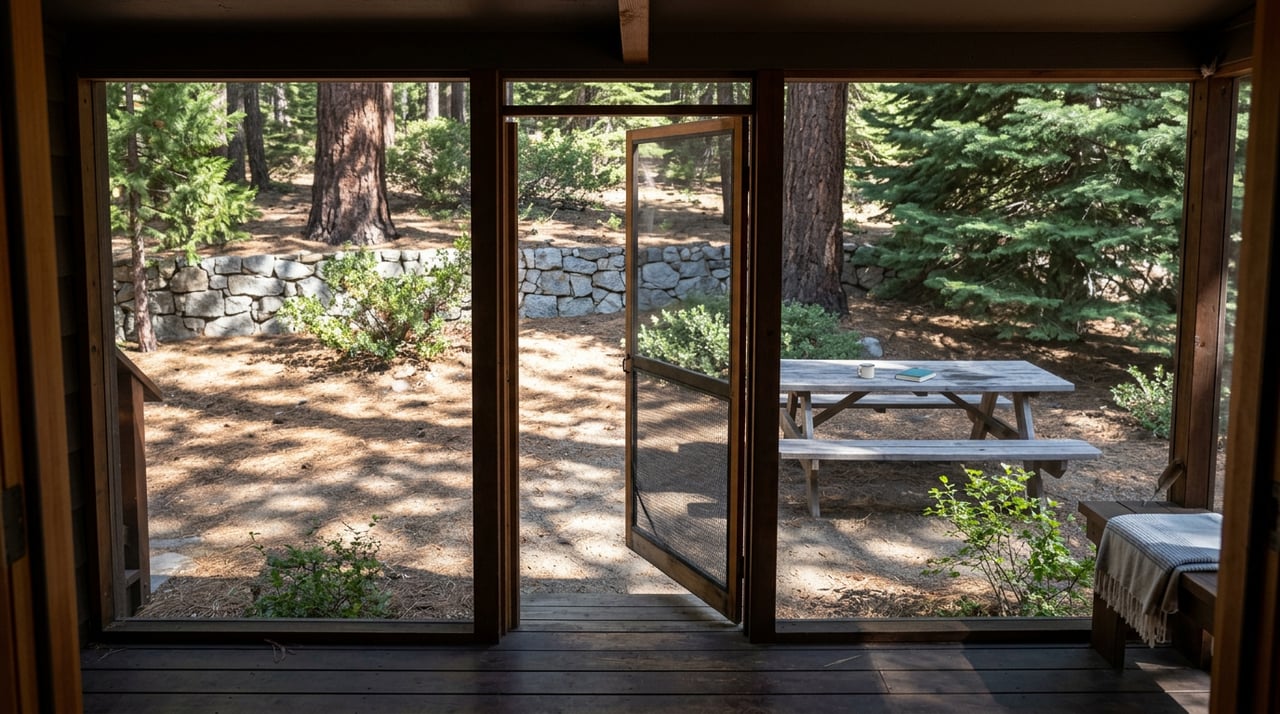
Selling a Crestline cabin while you live down the hill can feel like trying to manage two properties at once. You want the sale handled well, but you also do not want every detail to require another drive up the mountain. The good news is that much of the process can be handled remotely if you plan ahead and have the right local support. Here’s how to make your Crestline sale smoother, faster, and less stressful.
What You Can Do Remotely
If you own a cabin in Crestline but live in Los Angeles, Orange County, the Inland Empire, or elsewhere, you can usually handle a large part of the sale from home. California recognizes electronic signatures, and the Secretary of State defines them broadly. That means listing paperwork, disclosures, and many escrow documents can often be reviewed and signed digitally if all parties agree.
This remote-friendly setup can save you time and keep the process moving. It is especially helpful if your cabin is a second home or former vacation property that you do not visit often. Still, remote convenience works best when paired with a strong local plan for the physical property.
Remote-Friendly Tasks
You can often complete these steps without being in Crestline in person:
- Review and sign listing documents electronically
- Review and sign many disclosure forms electronically
- Join strategy calls with your listing team
- Approve pricing, marketing, and launch timing
- Review photos, video, and virtual tour materials
- Track escrow progress and document requests
Virtual tours and live video walk-throughs also fit well into this process. They can help you make decisions quickly, but they should support local property oversight rather than replace it.
One Important Exception
California still requires personal appearance for current notarizations. The California Secretary of State says video-only online notarization does not satisfy current law, and the remote online notarization framework is still being phased in. In plain terms, some documents may still require an in-person notarization step.
What Needs Local Oversight
A Crestline cabin is not a typical suburban listing. The Crest Forest communities are shaped by mountain terrain, recreation, tourism, and access conditions, and that often makes selling more hands-on. Even if you handle paperwork from the city, the cabin itself still needs local attention before and during the listing.
That local work matters because California sellers and listing agents have disclosure responsibilities tied to the actual condition of the property. A remote workflow is helpful, but it does not remove the need for real eyes on the home.
Local Tasks to Line Up Early
Before your listing goes live, it helps to have local help ready for:
- Cleaning and debris removal
- Minor repairs and maintenance
- Staging or guest-ready presentation
- Access coordination for vendors and showings
- On-site check-ins before photography
- Inspection scheduling
If you wait until you are under contract, delays can pile up quickly. For absentee owners, early coordination is often what separates a smooth listing from a rushed one.
Crestline Disclosure Issues to Prepare For
Disclosures are a big part of any California sale, but mountain cabins often raise issues that deserve closer attention. The seller’s Transfer Disclosure Statement, or TDS, is meant to describe property condition and is not a warranty. If you are selling from a distance, it helps to gather your records early so you can answer questions accurately.
Useful records include repair invoices, service history, and permit information. If you have owned the property for years, this may take some time, so it is smart to start before you list.
Mountain-Cabin Details That Commonly Matter
California disclosure forms specifically touch on issues that can be especially relevant for Crestline cabins, including:
- Roof condition
- Smoke detectors
- Water-heater bracing
- Water supply
- Sewer or septic
- Drainage
- Unpermitted alterations
These are not small details in a mountain setting. Weather exposure, sloped lots, older construction, and long periods between owner visits can all make condition questions more important.
Visual Inspection Still Matters
California requires the seller’s agent to perform a visual inspection and disclose readily observable defects. That is one reason remote owners should not rely only on photos, memory, or older records. A local listing agent’s role goes well beyond opening the door.
California brokers must also disclose material facts affecting value or desirability that are not readily observable. In a cabin sale, that local knowledge and on-site awareness can make a real difference in how smoothly the transaction moves.
Natural Hazard Disclosures in Crestline
Natural hazard disclosures are especially relevant in mountain communities. California’s Natural Hazard Disclosure Statement covers items such as very high fire hazard zones, state responsibility areas, earthquake fault zones, and seismic hazard zones.
California allows a third-party consultant to help prepare that disclosure, but the seller and agent still remain responsible for delivery. For a remote owner, that means this is not something to leave until the last minute.
Fire Hazard Context Matters
CAL FIRE says property owners can check an address on the state fire hazard maps, and the current SRA maps took effect on April 1, 2024. The agency also emphasizes defensible space and home hardening.
For a Crestline seller, this matters in two ways. First, it affects disclosure preparation. Second, buyers may pay close attention to how well the property has been maintained with wildfire risk in mind.
If Your Cabin Was a Short-Term Rental
If your Crestline cabin has been used as a short-term rental, that history should be addressed clearly during the sale process. San Bernardino County says a short-term rental permit is required for advertising and rental use in unincorporated mountain and desert regions, and the permit must be renewed annually.
That does not mean every buyer will view the property the same way. Some may see it as a personal retreat, while others may evaluate it as an income-producing asset or a transition property.
Why Rental History Changes the Conversation
When a property has vacation-rental history, your listing strategy should clarify whether the home is being positioned as:
- A regular residence
- A second home or seasonal getaway
- A rental-transition property
- An income-producing asset
Clear positioning helps reduce confusion and keeps buyer expectations grounded. It also helps organize the records and disclosures that may matter most to the next owner.
Older Cabin Rules to Know
If your Crestline cabin was built before 1978, federal law requires lead-based paint disclosures before the buyer is obligated under contract. Sellers must also provide the EPA and HUD lead information pamphlet, and buyers receive a 10-day opportunity to test for lead unless that window is waived.
For remote sellers, the key point is timing. This is another item that is easier to manage when your paperwork is organized before the property goes live.
Why Timing Matters in Escrow
In California, disclosure timing can affect the contract timeline. Buyers have a short cancellation window after the TDS is delivered in person or by mail. If your disclosures, local inspections, or paperwork are delayed, the transaction may slow down with them.
That is why preparation is not just about accuracy. It is also about keeping momentum once you accept an offer.
A Practical Remote-Seller Checklist
If you are preparing to list your Crestline cabin from down the hill, start here:
- Gather repair invoices, service records, and permit history.
- Confirm whether the home has short-term rental history.
- Schedule local cleaning, repairs, and property check-ins.
- Review fire-hazard and natural-hazard disclosure needs.
- Prepare for the seller visual-inspection process.
- Organize any lead-based paint paperwork if the home predates 1978.
- Expect that some notarized documents may still require in-person appearance.
This kind of prep can reduce surprises and help your home hit the market in stronger condition.
Why Local Support Matters Most
When you are selling from a distance, convenience matters, but so does trust. Crestline cabin sales often involve more moving parts than a standard city listing because of access, condition, disclosure detail, and mountain-specific property issues.
That is where a high-touch local team can make the process easier. With on-the-ground oversight, vendor coordination, staging support, and consistent communication, you can stay informed without having to manage every task yourself.
If you are thinking about selling your Crestline cabin and want a smoother plan from start to finish, SoCal Resorts Group can help you navigate the details with local oversight and concierge-level service.
FAQs
What parts of a Crestline cabin sale can be done from the city?
- You can usually review and sign listing paperwork, disclosures, and many escrow documents electronically if all parties agree.
What still needs to happen locally for a Crestline listing?
- Cleaning, repairs, staging, access coordination, inspections, and on-site property review should be handled locally before and during the listing.
What disclosures are especially important for a Crestline cabin?
- Common mountain-property disclosure topics include roof condition, smoke detectors, water-heater bracing, water supply, sewer or septic, drainage, unpermitted alterations, and natural hazard disclosures.
What should a Crestline seller do if the cabin was used as a short-term rental?
- You should confirm the property’s permit history and clearly position the home as a regular residence, second home, rental-transition property, or income-producing asset.
How early should you start preparing a remote Crestline cabin sale?
- It is best to start before the listing goes live so you have time to gather records, line up local vendors, complete repairs, and prepare disclosures without delaying escrow later.
Do remote Crestline sellers still need to appear in person for notarization?
- Yes, California currently requires personal appearance for notarizations, so some closing documents may still need an in-person step.