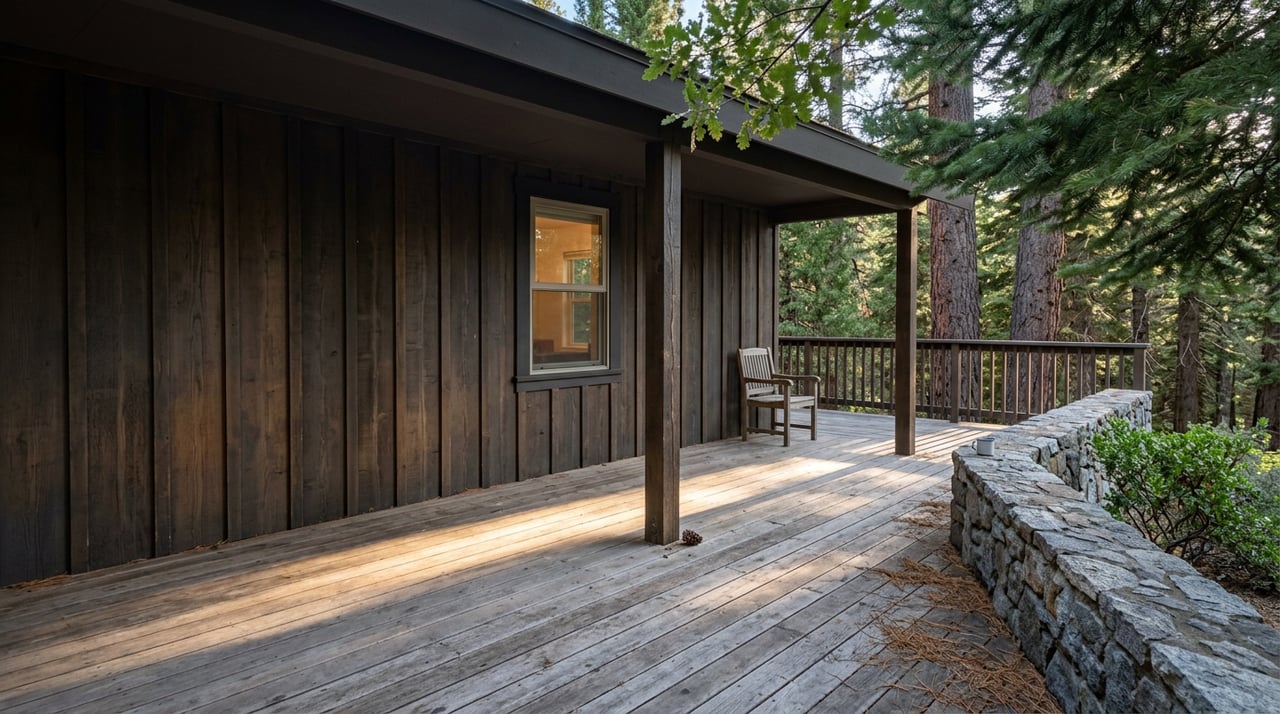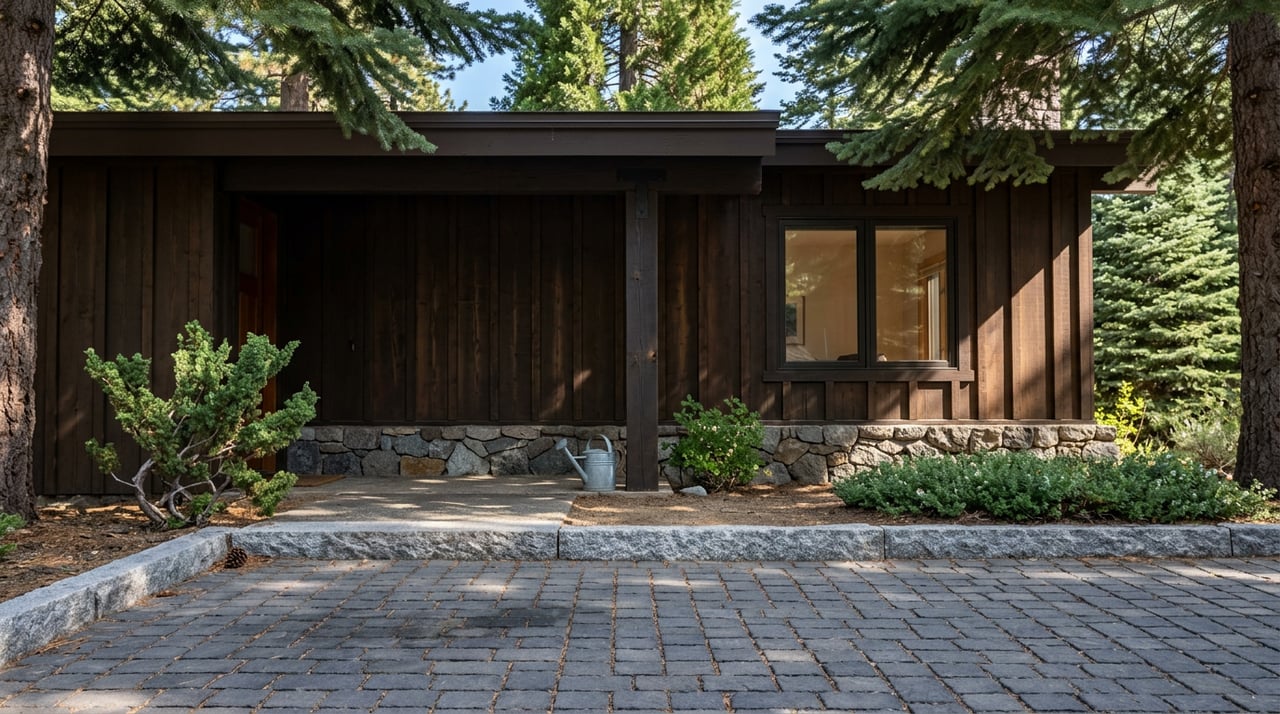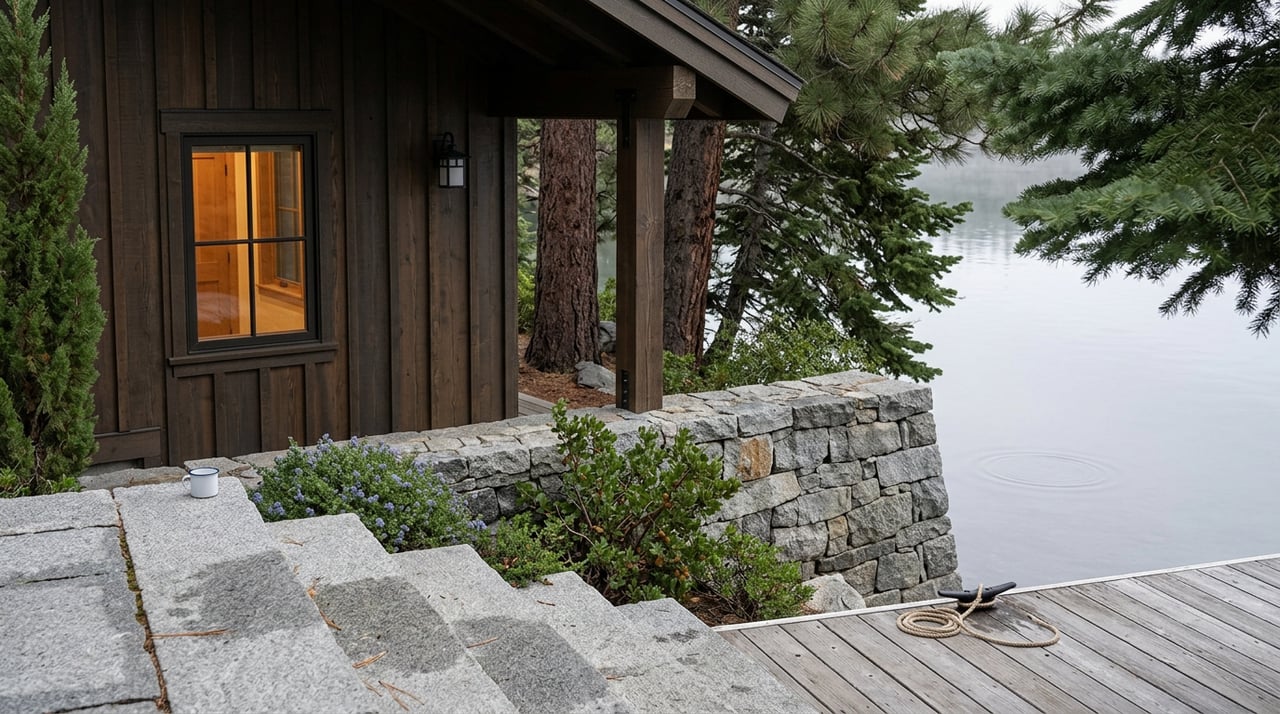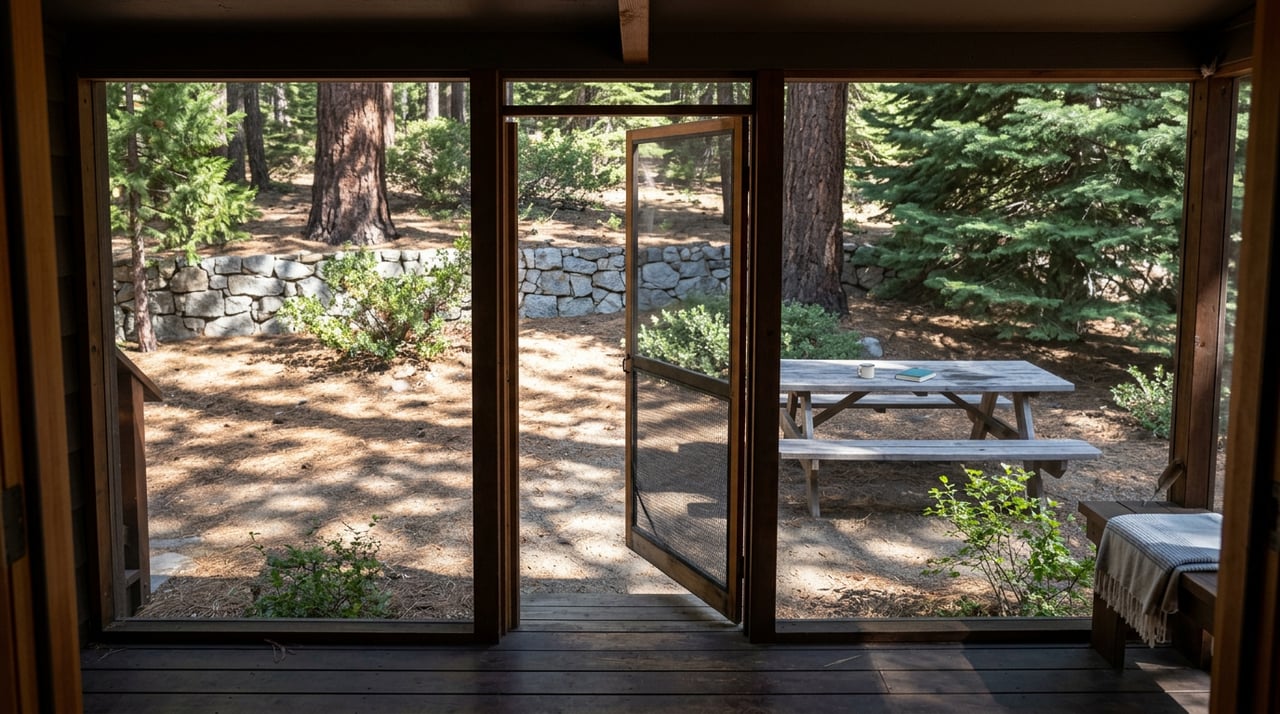
You bought the mountain cabin. Now you want to share it with guests and earn strong reviews without headaches. In Fawnskin and Sugarloaf, that means dialing in permits, wildfire safety, winter prep, and a guest-friendly setup that is simple to clean and easy to manage from anywhere. In this guide, you will learn the exact County rules, practical design tips, and the operational systems that make your place stand out and stay compliant. Let’s dive in.
Know your jurisdiction first
If your cabin sits in Fawnskin or most of Sugarloaf, it is in unincorporated Big Bear Valley. That means San Bernardino County’s short-term rental program applies, not the City of Big Bear Lake’s rules. You can confirm Fawnskin’s unincorporated status and then verify your parcel boundaries before you apply for permits. Start by confirming location context for Fawnskin on the community’s overview page and then proceed to County resources for permits and compliance requirements. For location background, see the overview of Fawnskin, California.
Get permitted and post required information
Short-term rental permit basics
Before you advertise or accept bookings, you must obtain a County Short-Term Residential Rental Unit Permit for mountain-region properties. The County publishes steps and fees, and it updates requirements over time, so verify details as you apply. Use the County’s STR portal to begin with the Getting Started guide.
Onsite posting and 24/7 contact
County code requires you to post the issued permit and emergency information on or near the front door. Inside the home, you must provide a prominent notice with the property address, a 24-hour local contact, maximum occupancy, parking rules, snow removal contact, and trash instructions. You must be reachable within 30 minutes by phone and able to be on site within one hour to resolve complaints. Review the County’s conditions of operation in Section 84.28.
Occupancy and parking limits
San Bernardino County sets occupancy by bedroom count, with examples that cap small homes and set an overall maximum. All guest vehicles must be parked entirely on your property. Street parking is not allowed for STRs. Learn the occupancy and parking standards in County Code 84.28 and clearly communicate your spaces on your listing and welcome guide.
Cleaning, hot tubs, and trash
You must clean the property between every stay and exchange provided linens with clean sets. If you offer a hot tub, keep it covered and locked when not in use and maintain service logs. In mountain areas, use animal-resistant trash solutions and post simple disposal steps for guests. See the County’s operating requirements here: Conditions of Operation.
Noise, enforcement, and monitoring credit
The County actively enforces STR rules and operates a 24/7 complaint hotline. It may issue fines or revoke permits for violations. The program also offers a one-time credit if you install an approved outdoor noise monitor when you submit your permit. Always disclose any monitoring devices in your listing per platform rules. For program updates, see the STR portal’s Permitted STR Properties and resources.
Wildfire safety and defensible space
Follow Zone 0, 1, and 2
Fawnskin and Sugarloaf properties are in a wildfire-exposed environment. California guidance defines defensible space in three zones. Zone 0 is the first 0 to 5 feet from structures where you should use ember-resistant materials and remove combustible items. Zone 1 covers 5 to 30 feet with regular trimming and clearance. Zone 2 extends 30 to 100 feet with reduced vegetation. Document your maintenance and keep photos or contractor receipts on file. Get full guidance on Defensible Space Zones 0, 1, and 2.
Fire restrictions for outdoor appliances
In the County’s Mountain Region, solid-fuel outdoor fireplaces, chimineas, barbeques, and fire pits are prohibited at STRs. If you want an outdoor gathering feature, consider a compliant propane fire table and follow all current local guidance. Never allow wood-burning outdoors at an STR in these areas. See the County’s operating rules in Section 84.28 and general outdoor fire requirements from County Fire in the Outdoor Fire Requirements guide.
Winter access, snow, and parking prep
Big Bear Valley winter travel is subject to Caltrans chain controls on SR-18, SR-38, and SR-330. Guests often arrive during storms, so include a clear arrival plan with chain guidance and links to local road updates. For guest planning and local road resources, share the Big Bear roads and transportation page.
County code requires that all STR parking occurs on site and that parking areas stay free of obstructions, including excessive snow. Contract a reliable snow removal vendor, label the snow contact in your welcome guide, and post your on-site parking map so guests can park correctly even during storms. See parking standards in County Code 84.28.
Design your cabin for easy turnovers
Durable furnishings and finishes
Choose performance fabrics like stain-resistant microfiber, Crypton, or faux leather. Favor solid wood or metal frames over particleboard. Use washable slipcovers and machine-washable rugs. Spend more on mattresses and items you can launder or replace quickly. These choices reduce breakage and speed cleaning. See more furnishing best practices from Hosthub’s rental furnishing tips.
Keep decor minimal but high impact. Avoid small knickknacks that create dusting work. Mount TVs and store remotes in a labeled caddy to reduce loss. Operations pros agree that design choices should enable fast, repeatable presentation. For cleaner-friendly staging ideas, see Breezeway’s operations guidance.
Create a mudroom zone
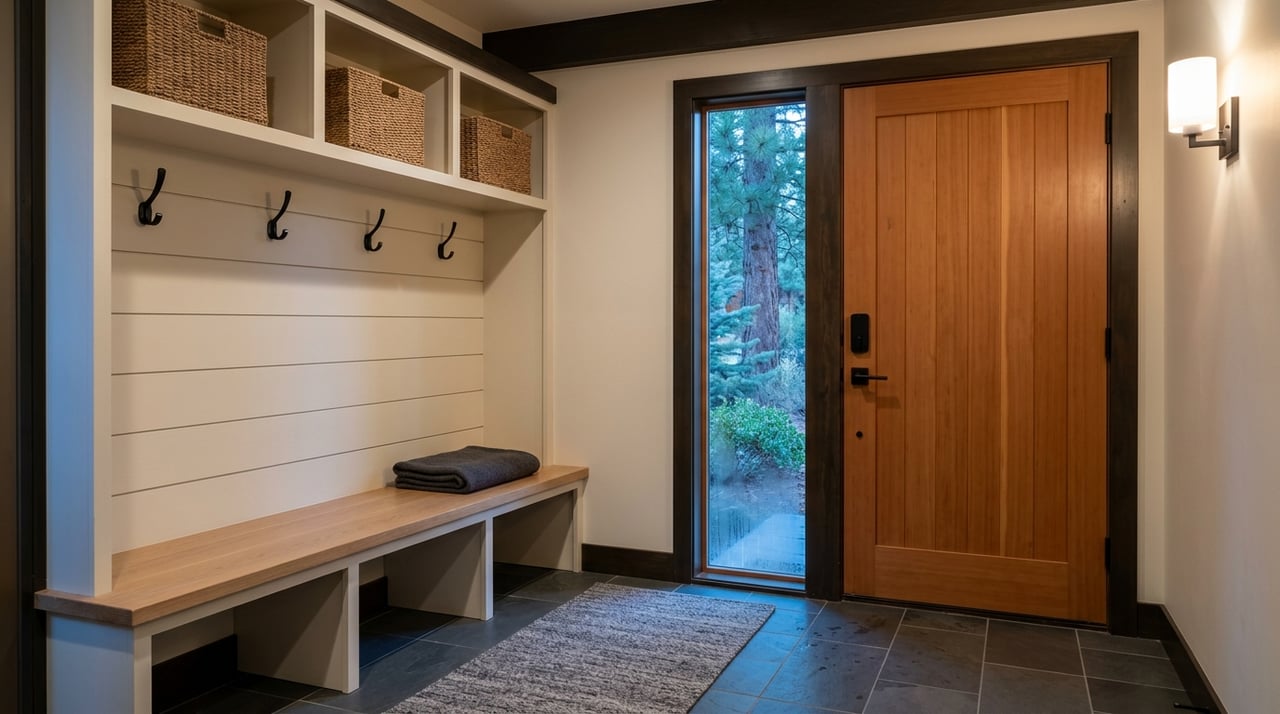
Give guests an obvious spot for wet boots and snow gear. Set up a boot tray with a breathable mat, a bench with storage, heavy-duty hooks for jackets, and a removable entry rug. Add a labeled rack for skis or boards and a small bin for snow chains or sand. This reduces mud and helps your cleaner turn the home faster. See practical setup ideas in Breezeway’s cleaner management guide.
Cleaner-friendly layout and workflow
Raise sofa legs and beds for easy vacuuming. Keep floor plans simple and open to reduce missed spots. Provide color-coded cleaning checklists and a supply caddy. Use a scheduling tool and require before and after photos so you can verify quality remotely. Learn more about assigning checklists and photo verification in Breezeway’s operations guide.
Hot tub and gas appliance rules
If you have a spa, post clear usage instructions and emergency shut-off steps. Keep the cover locked when not in use and maintain regular service logs. For any gas fireplaces or fire tables, include posted rules and emphasize safety. Review County operating requirements in Section 84.28.
Guest flow and smart operations
Self check-in and keyless access
Smart locks are standard for mountain STRs. Choose a keypad model rated for cold weather, integrate it with your management system if you have one, and rotate unique codes per stay. Keep a backup mechanical key in a lockbox and add a battery health check to your turnover list. For an overview of STR-friendly devices and integrations, see this primer on smart home devices for STRs.
Digital welcome guide
Create a digital guidebook that guests can access via QR code and as a printable PDF. Include arrival steps, parking map, house rules, appliance tips, heating instructions, snow and chain guidance, and emergency contacts. Update it quickly when conditions change. For format ideas, explore this overview of digital guidebooks.
Privacy-safe noise monitoring
Noise monitors can protect your property and your neighbors without recording conversations. Devices track decibels and can trigger automated text messages if it gets too loud. Disclose monitors in your listing and place them where they only measure ambient sound. Learn how hosts use them in this article on short-term rental noise monitoring. The County also offers a one-time credit for an approved outdoor unit at permit submission, as noted on the STR portal’s resources page.
Cleaner scheduling and quality control
Use an operations tool to assign checklists, track time, and manage restocking. Require photo verification of completed tasks. Build buffer time in winter when sand and slush require deeper cleans. See practical tips in Breezeway’s cleaner management guide.
When to hire local management
If you prefer turnkey support, a local manager can handle permitting, pricing, guest support, cleaning, linens, and the County’s 24/7 on-call and one-hour response obligations. In Big Bear Valley, you can compare full-service options, including the vertically integrated team at SoCal Vacations. Ask for written proof of how they meet County response standards and request references.
Money, taxes, and risk
TOT registration and remittance
Short-term rentals must collect and remit Transient Occupancy Tax to the correct authority. If your parcel is inside the City of Big Bear Lake, the city’s rate and rules apply. If you are in unincorporated Fawnskin or Sugarloaf, you remit per County procedures. Register and follow the County’s instructions in the guide on Submitting your TOT certification.
Insurance and liability
Standard homeowners policies often exclude frequent short-term renting. Talk with a licensed insurance professional about a STR endorsement, a landlord or rental policy, and consider an umbrella liability policy. Do not rely only on platform protections. For a plain-English overview, review this guide to home-sharing insurance.
HOA and CC&R checks
If your cabin sits in an HOA or has recorded CC&Rs, those rules can restrict or prohibit short-term rentals. They can be stricter than County code. Check recorded documents and consult counsel if anything is unclear. For background on how California associations regulate STRs, read this summary on HOA short-term rental regulation.
Market context and seasonality
Big Bear Valley demand is seasonal, with winter sports and summer lake visits driving peaks. Before you forecast income, pull a fresh snapshot of ADR and occupancy for the Big Bear area to set expectations. You can start with the Big Bear Lake overview on AirDNA and update numbers as the market shifts.
Quick owner checklists
Regulatory checklist
- Confirm your parcel is in unincorporated County jurisdiction, not inside City of Big Bear Lake. See the background on Fawnskin’s status.
- Apply for the County STR permit and post the permit plus the Good-Neighbor information inside the unit. Start at the County STR portal and download the County’s operator guide.
- Set up a 24/7 local contact with a documented on-call plan that meets the 30-minute phone and one-hour onsite standards. Review operating conditions.
- Confirm on-site parking capacity. Contract snow removal and post the snow contact in the home. See parking rules.
- Install animal-resistant trash and set a pickup schedule. Confirm hot tub cover locks and spa logs if applicable. See operating conditions.
Guest-ready property checklist
- Durable sofa fabrics, washable slipcovers, elevated furniture, and easy-clean rugs and counters. See furnishing tips.
- Boot tray and breathable mat, bench with storage, strong hooks, labeled bins for skis and boards. See cleaner-friendly setup ideas.
- Welcome guide with arrival steps, parking map, heating instructions, snow and chain tips, and emergency contacts in print and digital forms. See a digital guidebook overview.
- Clear hot tub rules and a locking cover. Post spa safety and keep service logs. See County operations.
Operations and compliance checklist
- Smart lock with unique codes per stay and a backup key. See STR smart devices overview.
- Digital guidebook and QR access. Offline copy printed in the home.
- Privacy-safe noise monitor disclosed in your listing. See noise monitoring guidance.
- Assigned cleaner with a documented checklist, time targets, and photo verification. See cleaner management tips.
- Register and remit TOT to the correct authority. See the County’s TOT certification steps.
Ready to rent with confidence?
Setting up a compliant, guest-loved cabin in Fawnskin or Sugarloaf is very doable with the right plan. Focus on permits and posting, wildfire defensible space, winter parking and access, durable design, and reliable operations. If you want local guidance on what to improve before listing or how to integrate management for hands-off hosting, we are here to help. Connect with the valley’s trusted, concierge real estate team at SoCal Resorts Group to talk strategy, market timing, and next steps.
FAQs
What permits do I need to rent my Fawnskin or Sugarloaf cabin?
- You need a San Bernardino County Short-Term Residential Rental Unit Permit, plus required onsite postings that include your permit, emergency info, occupancy, parking, trash, and snow contacts, as outlined in the County’s Getting Started guide and operating conditions.
How many guests and cars can my San Bernardino County STR host?
- Occupancy is set by bedroom count with an overall cap, and all vehicles must be parked entirely on your property with no street parking, per County Code 84.28.
Are outdoor fire pits allowed at mountain STRs in the County?
- Solid-fuel outdoor fireplaces, chimineas, barbeques, and fire pits are prohibited at STRs in the Mountain Region; consider compliant propane alternatives and follow County operating rules and County Fire guidance.
What winter prep should I do for Big Bear area STRs?
- Provide a parking map, arrange snow removal, post the snow contact, and share chain control and road updates with guests using the Big Bear roads and transportation page, while keeping on-site parking clear per County standards.
Do I have to collect TOT for a County STR outside the City of Big Bear Lake?
- Yes. Register and remit Transient Occupancy Tax to the correct authority based on your parcel’s jurisdiction, following the County’s TOT certification process.
Should I hire a local property manager in Big Bear Valley?
- If you want turnkey operations or need help meeting the 24/7 and one-hour response requirements, a local manager can handle guest support, pricing, cleaning, and compliance; compare options, including SoCal Vacations, and request written response plans and references.