A buyer walks into escrow on a Big Bear Lake cabin with a hot tub, a fire pit, and a five-star review history on the booking platforms. The listing calls it "turnkey income property." The seller's Airbnb calendar is booked through ski season. Everyone assumes the rental business transfers with the deed, the same way the appliances do.
It doesn't. Under the City of Big Bear Lake's vacation rental ordinance, the license dies the moment title changes hands. And since January 1, 2026, the grandfather clause that let a lot of these cabins skip paved parking for years has expired too. That combination is the part almost nobody budgets for at closing.
The License Doesn't Survive the Sale
Big Bear Lake's Vacation Rental Ordinance is explicit on this point: when a property sells, the existing rental license automatically expires, and the new owner has to apply for their own license once escrow closes. There is no transfer form, no assignment, no way to inherit the seller's standing with the city. The listing history, the reviews, the booking calendar all stay with the platform account. The legal right to operate as a short-term rental starts over at zero.
That alone changes how a buyer should read a "current STR" listing in Big Bear Lake. The seller's license tells you what the cabin has been earning. It tells you nothing about what the next owner is allowed to do with it on day one.
The Clause That Just Ran Out
Here's where it gets more specific to this year. When the city adopted its current ordinance framework back in 2021, older cabins licensed before January 11, 2021 got a break: if the property had gravel parking (and was built after January 1, 2004), or even no defined off-street parking at all, the city let that slide. The ordinance set a hard deadline for closing that gap. That deadline was January 1, 2026, which means it already passed this year, months before most fall buyers started touring cabins.
The practical effect: a cabin that has operated as a legal short-term rental since 2019 or 2020 on a gravel pad or an undefined dirt pull-off is no longer automatically compliant just because it was compliant last year. And because the license doesn't transfer, a new owner walking into that same cabin doesn't get to rely on the seller's old grandfathered status at all. They're applying under the current rules, which now require paved parking as a baseline, not an eventual goal.
You can see the ordinance language and the compliance history directly on the City of Big Bear Lake's own Vacation Rental Program FAQ page, which spells out the January 1, 2026 cutoff for both the gravel exception and the no-off-street-parking exception.
What Reapplication Actually Looks Like
For a buyer who wants the cabin to keep earning rental income, here's the sequence that actually happens after closing, not the one implied by the listing sheet:
- The seller's license expires automatically at close. The property cannot legally be advertised or rented as a short-term unit in the gap.
- The new owner submits a fresh application and a $605 registration fee.
- The city schedules a physical inspection. Processing typically runs two to four weeks, and the property cannot be rented during that window even if the previous owner had guests booked.
- If the parking doesn't meet current paved-surface standards, the inspection will flag it. At that point the cabin needs an actual paving project completed before the city will issue the new license, not before the next renewal cycle.
That fourth step is the one that turns a routine license renewal into a construction timeline. A gravel driveway that was fine under the seller's grandfathered license is not fine under a brand-new application filed after January 1, 2026.
The Math Most Closings Don't Include
None of this shows up as a line item in a standard purchase agreement, so it's worth laying out what it can actually cost a buyer in the first weeks of ownership.
| What it is | Amount | Timing |
|---|---|---|
| New license application fee | $605 | Due when the new owner applies, after escrow closes |
| Inspection and processing | No rental income allowed | Typically 2 to 4 weeks |
| Combined lodging tax on future bookings | 13% (10% TOT + 3% BBLTBID) | Collected and remitted monthly once operating |
| Fine for advertising without a valid license | $1,500 first violation, $2,500 second, $5,000 third within 12 months | Applies if a new owner lists the property before the license is reissued |
The 13% tax stack is stable enough to plan around. It's the compliance gap, not the tax rate, that catches buyers off guard, especially anyone who priced the deal assuming rental income would start the week after closing.
Two Kinds of Cabins Right Now
Not every Big Bear Lake cabin faces this. A property that already has paved, defined parking spaces, whether it was built last year or licensed a decade ago, sails through reapplication the same way it always has. The friction is specific to the subset of legacy-licensed cabins that leaned on the gravel or no-parking exception, which by definition means anything licensed before January 11, 2021 that never got around to paving.
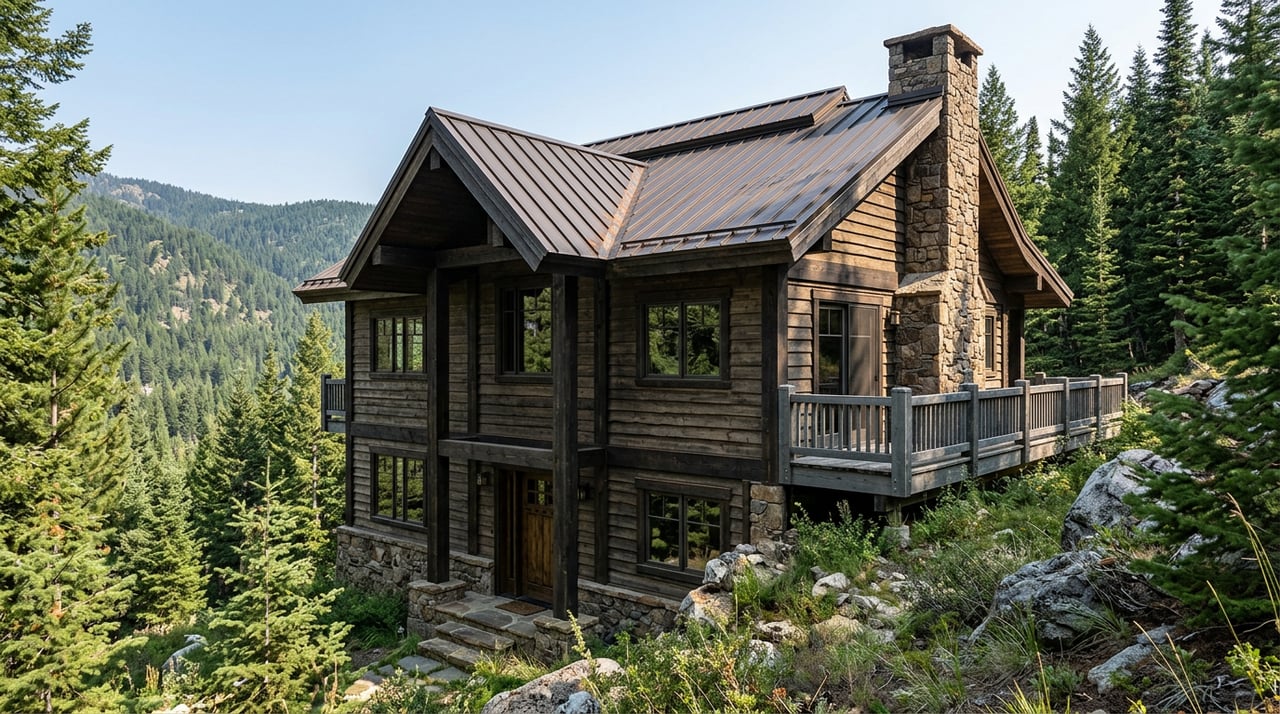
That's a meaningful slice of the market. Big Bear Lake's rental stock includes a lot of older cabins on sloped, timber-framed lots where a gravel pull-off next to the driveway was the parking solution for years, and where paving wasn't urgent because the license didn't require it yet. Those cabins can still be excellent rental properties. They're just not the zero-friction, walk-in-and-collect-income purchase the listing photos suggest.
This kind of regulatory back-and-forth isn't new to the city. Big Bear Lake has revisited its vacation rental rules repeatedly since the original 2021 ordinance, including a 2023 round of stakeholder workshops and a citizen ballot measure that tested whether to cap the number of rental licenses outright. Local coverage of that period, including reporting from the Big Bear Grizzly on the city's enforcement approach, captures how much this program has been shaped by direct feedback from owners and operators, including local hosts like Mike Rotman of Rustic Retreats of Big Bear, who has spoken publicly about the enforcement side of running a licensed rental here. The parking deadline is the latest piece of that same ongoing process, not a one-off surprise.
Before You Write the Offer
If a rental income projection is part of why you're looking at a specific Big Bear Lake cabin, a few questions are worth asking before you're in contract, not after:
- Ask the listing agent directly whether the current license relies on the pre-2021 gravel or no-parking exception, and if so, whether the parking has already been paved to current standards.
- Ask for the actual license number and confirm its status and issue date, since anything licensed before January 11, 2021 is the group most likely to be affected.
- Build a two-to-four-week no-income gap into your first-month cash flow assumptions, plus the cost of a paving project if the inspection requires one.
- Keep in mind this applies specifically to cabins inside the incorporated City of Big Bear Lake, zip code 92315. Properties in unincorporated areas like parts of Big Bear City, Sugarloaf, or Fawnskin fall under San Bernardino County's separate rental permitting rules, which run on a different timeline entirely.
FAQ
Does the rental license transfer if I buy from a family member? The ordinance treats most changes of ownership the same way, with the license expiring at the transfer. There are specific provisions for transfers among family members worth reviewing directly in the ordinance text, since the treatment differs from an arm's length sale.
What if I don't plan to rent the cabin at all? None of this applies. The license and parking requirements only matter if you intend to operate the property as a short-term rental under the city's program. A cabin bought purely as a personal second home or full-time residence isn't subject to these rules.
How is this different in Big Bear City versus Big Bear Lake? Big Bear Lake is its own incorporated city with this specific ordinance and licensing structure. Big Bear City is unincorporated and regulated by San Bernardino County under a separate permitting system with its own fees and timelines. A cabin's zip code and jurisdiction, not just its address, determines which rules apply.
A cabin's listing history tells you what it has earned for someone else. What it can earn for you starts with a fresh application, a city inspection, and, for a specific group of older licenses, a parking project that the last owner never had to finish. Knowing which group your cabin falls into before you write the offer is the difference between a smooth first season and a summer spent waiting on a paving crew.
If you're looking at a Big Bear Lake property with rental income in mind, our team at SoCal Resorts can help you check a specific address against its license history and current compliance status before you're locked into a purchase price. Get a free home valuation and a straight answer on what you're actually buying.