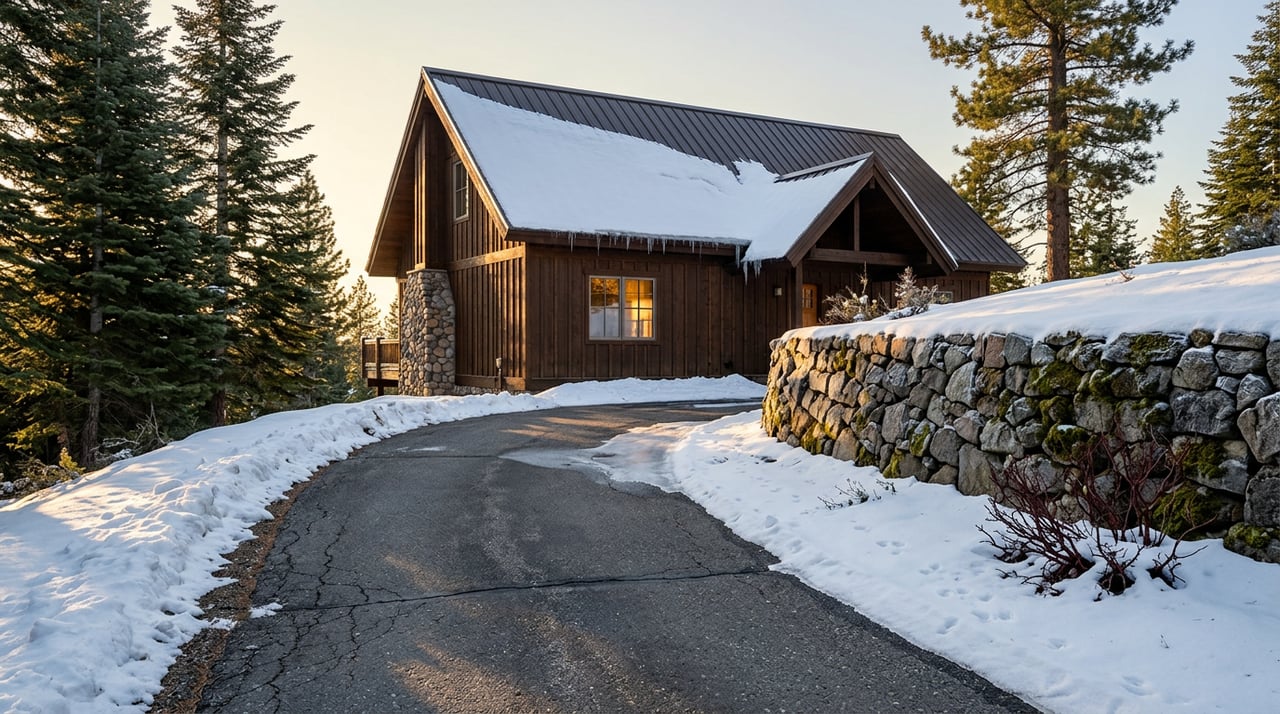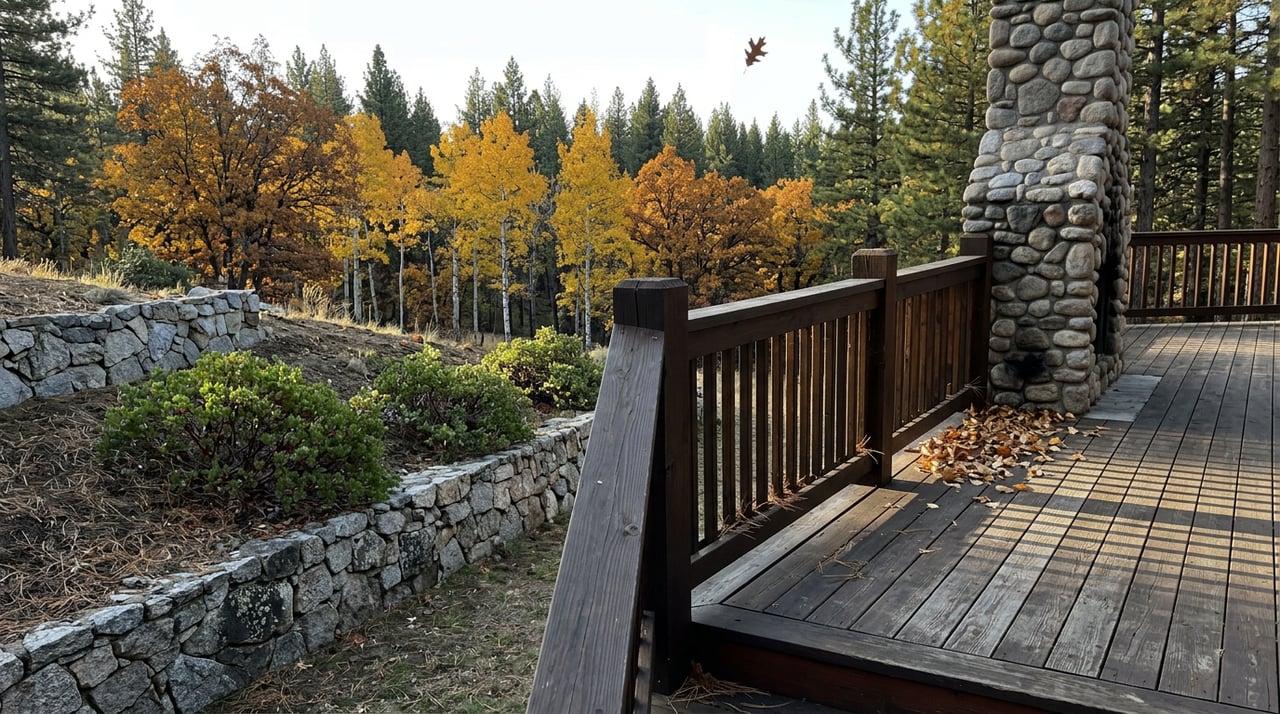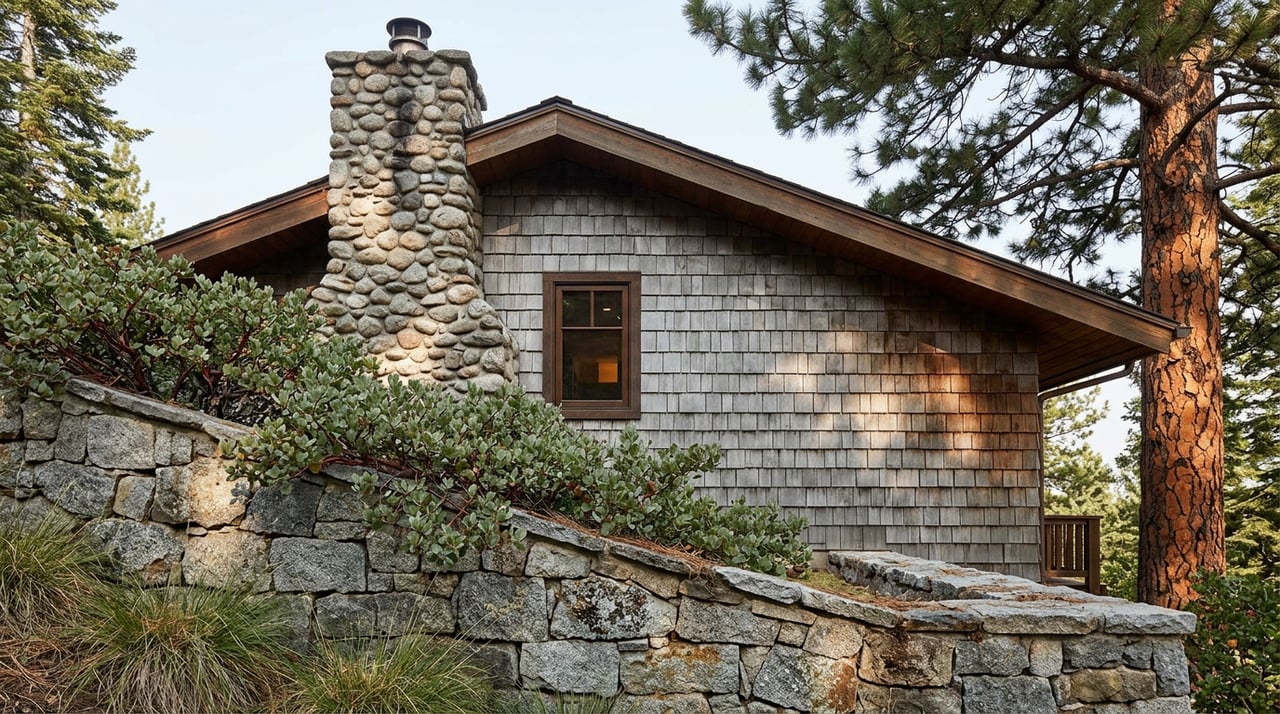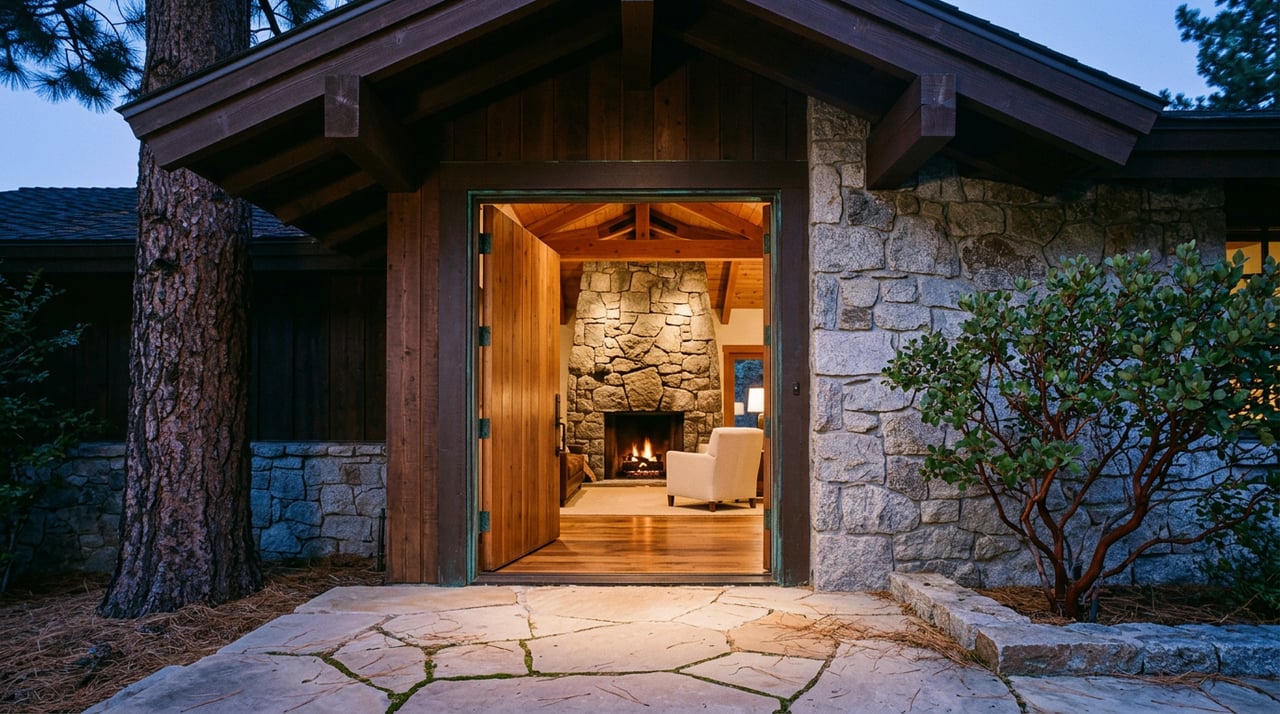
What actually changes when a neighborhood loses the document that has governed its rooflines, paint colors, and tree canopy since the 1920s? In Arrowhead Woods, the answer arrived at the end of 2025, and it caught a lot of owners off guard for the wrong reason.
Twenty-five tracts in Lake Arrowhead's Arrowhead Woods failed to hit the renewal threshold required to keep their Covenants, Conditions and Restrictions in force. As of January 1, 2026, the Arrowhead Woods Architectural Committee no longer has enforcement authority in those specific tracts. Word traveled fast, and so did a misunderstanding that has been showing up in buyer questions ever since: does this mean those properties lost their lake rights too?
They didn't. And understanding why they didn't is the difference between reading a listing accurately and misreading it entirely.
Two Systems, One Zip Code
Arrowhead Woods runs on two separate governance structures that happen to share a boundary. They are easy to conflate because both start with the word "Arrowhead," but they answer to different authorities, follow different rules, and change under different conditions.
The Arrowhead Woods Architectural Committee, known locally as AWAC, is a private nonprofit formed in the 1920s to review exterior changes within Arrowhead Woods tracts. Its authority comes entirely from each tract's recorded CC&Rs. If you want to repaint, add a room, or remove a tree six inches or more in diameter, AWAC is who signs off, and it can pursue legal action and recover attorney's fees against an owner who builds without approval.
The Arrowhead Lake Association, known as ALA, is a different organization entirely. It manages the lake itself: boating rules, dock assignments, trail maintenance, beach clubs. Lake rights trace back to the original 1923 designation of the Arrowhead Woods boundary and are confirmed independently through county records, maps, and often the grant deed on file. ALA's general manager has been explicit on this point in local reporting: property location inside the Arrowhead Woods boundary is what confirms lake rights, not a tract's CC&R status.
That distinction is the whole story. One organization governs what your house looks like. The other governs whether you can put a boat on the water. A tract can lose the first without touching the second.
How 25 Tracts Fell Below the Line
CC&Rs in Arrowhead Woods are not one blanket document. Each tract has its own declaration, recorded separately, and each one carried its own expiration date and renewal requirement. For the batch that came due at the end of 2025, AWAC's own published records set the bar at 55 percent of property owners voting to extend. The tracts that came up short include 6397, 6489, 6782, 7074, 7201, 7272, 7415, 7417, 7513, 7514, 7515, 7775, 7776, 7891, 7911, 7915, 7933, 7982, 7983, 7985, 8053, 8232, 8490, 10198-1, and 14599.
Reaching that number is harder than it sounds. AWAC's own president has pointed out that mail-in property owner votes routinely draw 15 to 25 percent turnout, well short of the majority needed just to pass, let alone the 55 percent threshold some tracts required. More than 40 other tracts across Arrowhead Woods were established as perpetual and never faced this vote at all, which is why the community now has two distinct populations of properties living side by side under different rules.
A tract that lapsed isn't locked out permanently. Owners can still draft new CC&Rs and put them to a vote, but the outcome only binds the people who sign.
If ten percent of owners in a tract sign a new declaration, the other ninety percent of properties in that same tract remain unbound by it.
That single mechanic explains why a lapsed tract is unlikely to reconstitute itself into a fully governed neighborhood again anytime soon. Getting a supermajority to agree on new restrictions is harder than getting them to renew ones they already lived under.
What Actually Changes On The Ground
For a buyer comparing two similar cabins, one in a perpetual tract and one in a lapsed tract, here is where the practical differences sit.
| Perpetual Tract | Lapsed Tract (post-2025) | |
|---|---|---|
| Exterior renovation review | AWAC approval required | No architectural review |
| Recourse against a neighbor's out-of-character remodel | AWAC can enforce CC&Rs, sue for breach | No CC&R mechanism to object |
| Tree removal (6"+ diameter) | Requires AWAC application | No committee approval needed |
| Deeded lake rights | Full rights if inside Arrowhead Woods | Full rights if inside Arrowhead Woods |
| ALA membership eligibility | Available | Available, unchanged |
The lake rights row is identical on both sides of that table, and that is the point worth sitting with. A property's tract number tells you something real about renovation flexibility and neighborhood consistency. It tells you nothing about whether you can register a boat.
For an owner planning a remodel, a lapsed tract can mean fewer hoops. For a buyer weighing long-term resale character, it also means the house next door could someday clash with the alpine cabin aesthetic that has defined Arrowhead Woods for a century, with no committee standing in the way.
The Legislative Detour That Almost Changed Everything
This entire framework nearly looked different. In 2022, state legislation known as SB 1405 proposed shifting CC&R enforcement authority away from AWAC, a private nonprofit, and over to the Lake Arrowhead Community Services District, a public agency. The idea drew real community debate, with some owners wary of putting private architectural covenants under public agency control.
The pushback was strong enough that a revised version of the bill removed that transfer authority entirely, and it was signed into law in early 2024 with AWAC's role intact. AWAC remains the sole enforcement body for CC&Rs in Arrowhead Woods today, which means the 2025 tract expirations played out entirely within the private system rather than a public one. Any future attempt to change who governs architectural review would require a new legislative effort and a fresh round of homeowner votes, not a simple administrative shift.
The Lake Runs On A Different Ledger
If tract governance and lake access were the same system, you'd expect ALA's 2026 fee schedule to vary by tract status. It doesn't, because it can't. ALA membership and boating fees are set at the Arrowhead Woods level, not the tract level.
For 2026, general household membership runs $160 a year. A beach club membership is $475 a year. Dock and slip rights, which are limited and in high demand, run $1,190 a year. Powerboat registration with slip rights adds $450 a year, while registering without slip rights costs $1,155 a year. Non-powered craft like kayaks and canoes are $64 a year each. Fees are due April 1, and none of them reference whether your tract renewed its CC&Rs.
This is the clearest proof that the two systems run independently. Whatever a tract's architectural status, the cost of putting a boat on the water in Arrowhead Woods is the same for everyone who qualifies.
Before You Write An Offer In Arrowhead Woods
If you're evaluating a specific property, a few steps will tell you exactly which system you're buying into.
- Ask for the tract number and check it against AWAC's published list of lapsed tracts.
- Confirm lake rights independently through the county grant deed or AWAC's Arrowhead Woods boundary map, since this is a separate question from CC&R status entirely.
- If the tract is perpetual, review what AWAC's current CC&Rs actually restrict for that specific tract, since setbacks, minimum house size, and tree provisions vary by declaration.
- If the tract lapsed, ask what that means for any renovation plans you have, since you'll face no committee review but also no protection against a neighbor's future changes.
- Verify current ALA membership tier and boat registration costs directly, since these apply regardless of tract governance status.
None of this changes what the home is worth on its own merits. It does change what you can build, what your neighbor can build, and what recourse you have either way.
FAQ
Does a lapsed CC&R tract affect my ability to get a mortgage or insurance? Tract governance status is separate from lake rights and property boundaries, which are what most lenders and insurers verify. Confirm specifics with your lender, since underwriting requirements vary by institution.
Can a lapsed tract's CC&Rs come back? Owners can draft new restrictions, but they only bind the specific properties whose owners sign, not the whole tract, which makes full restoration difficult in practice.
If I buy in a perpetual tract, will my CC&Rs eventually expire too? Some tracts were established as perpetual and never expire under the original declaration. Others carry defined terms and future renewal votes. Ask specifically about your tract's history before you buy.
Arrowhead Woods rewards buyers who read past the surface of a listing, and a tract number is one of those details worth checking before you fall in love with a floor plan. If you're comparing specific properties across Lake Arrowhead, Big Bear, and the surrounding mountain communities, the team at SoCal Resorts can walk your tract history, lake rights, and rental potential together in one conversation. Get a free home valuation and start with the facts that actually apply to your address.