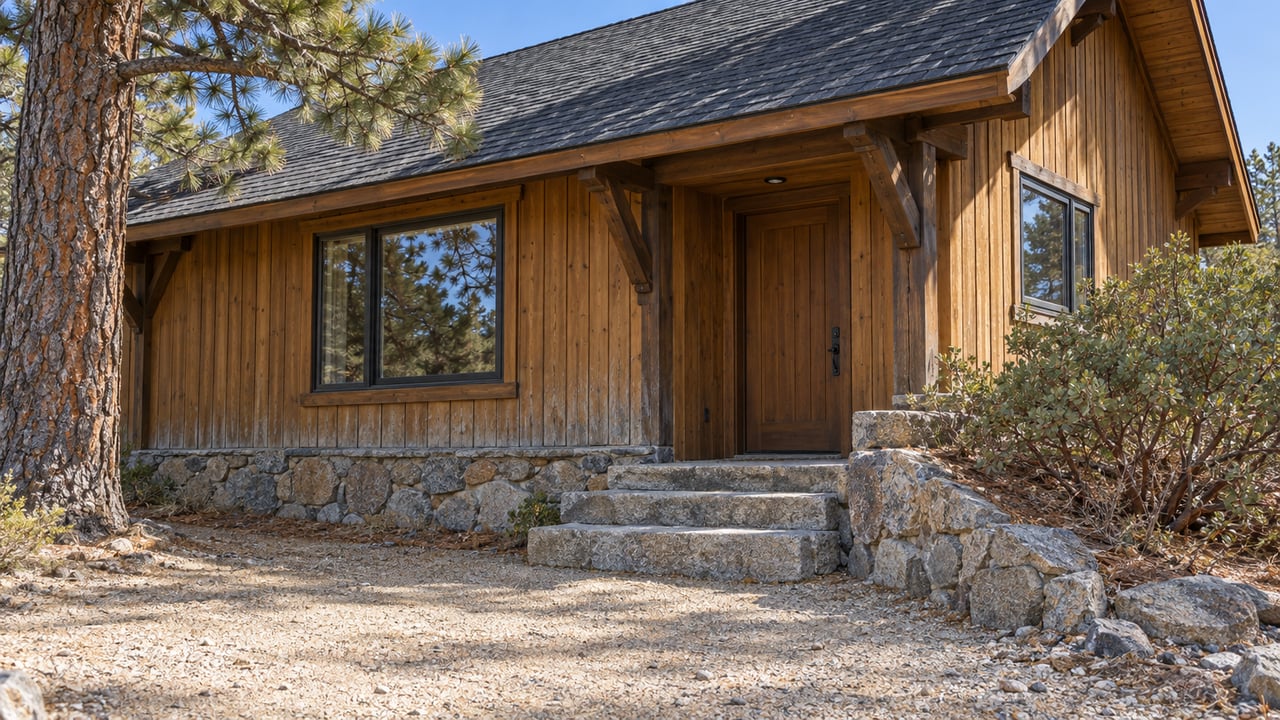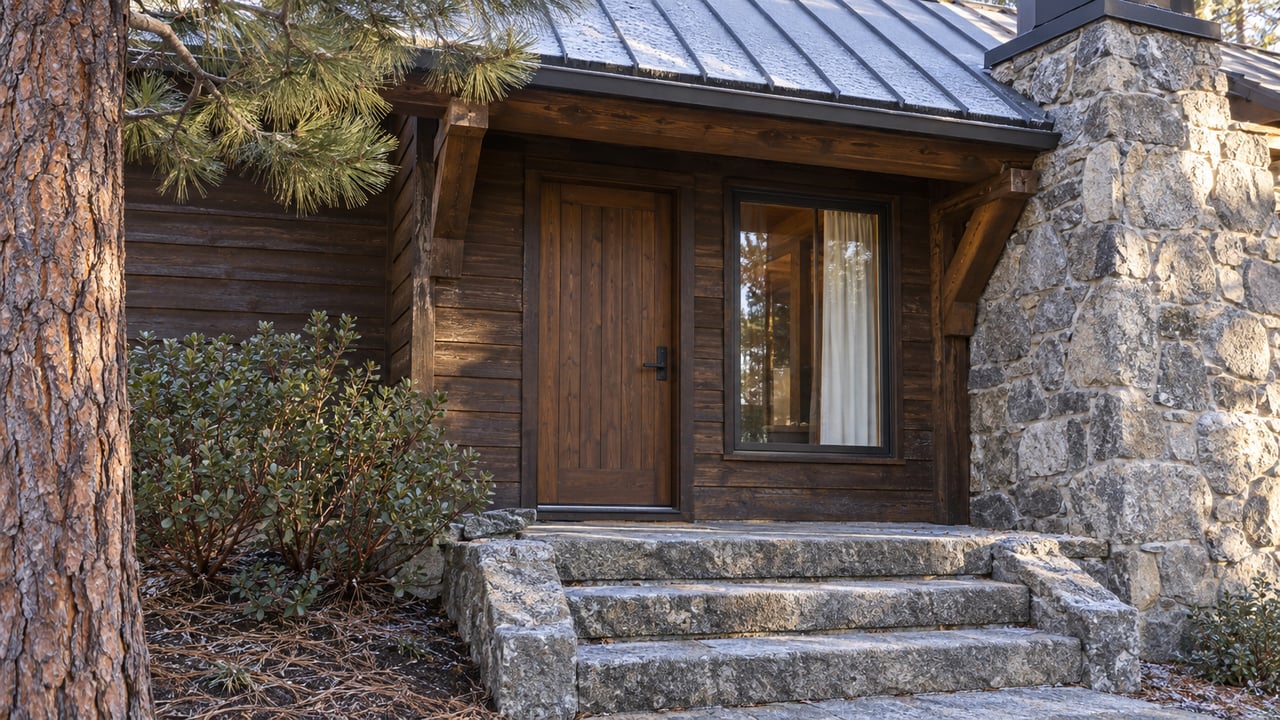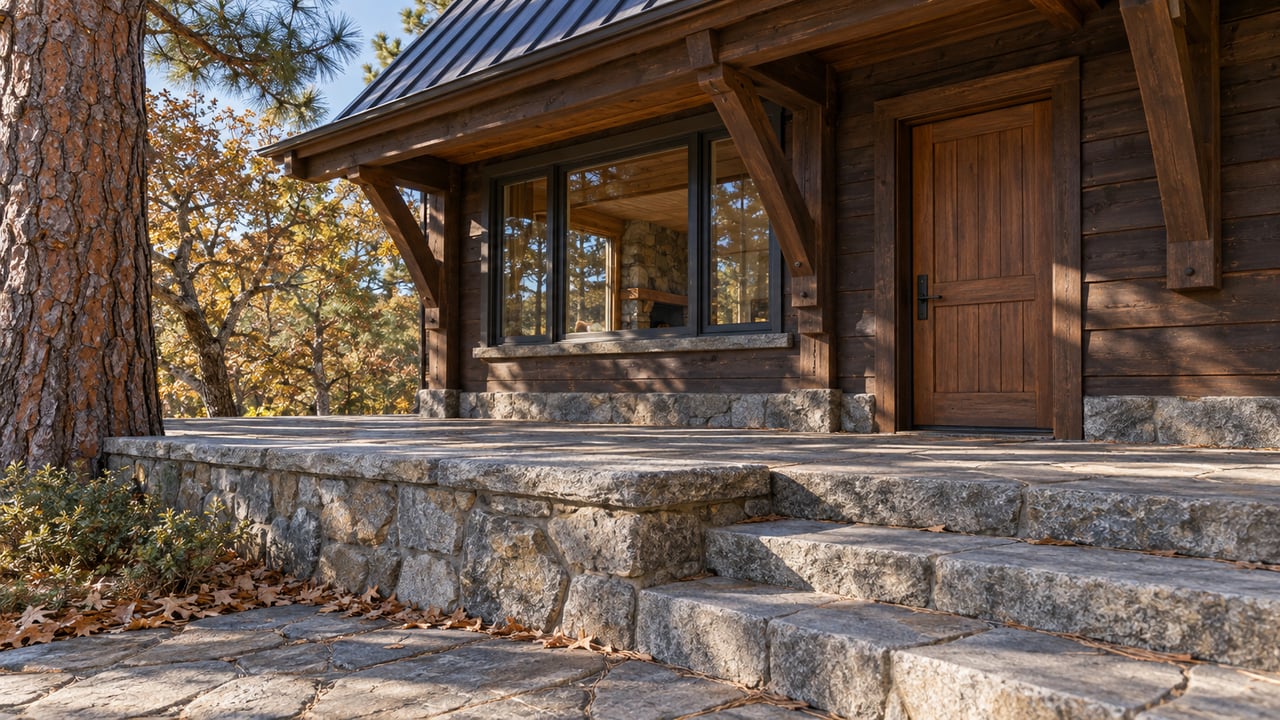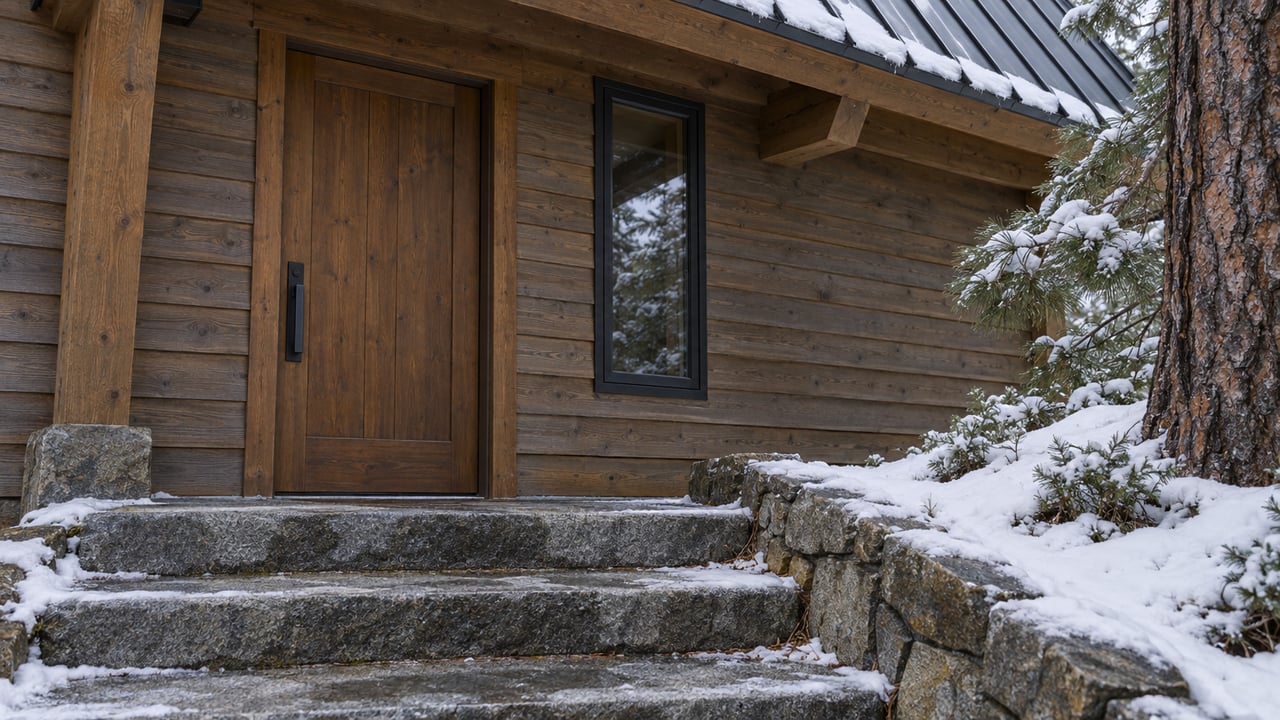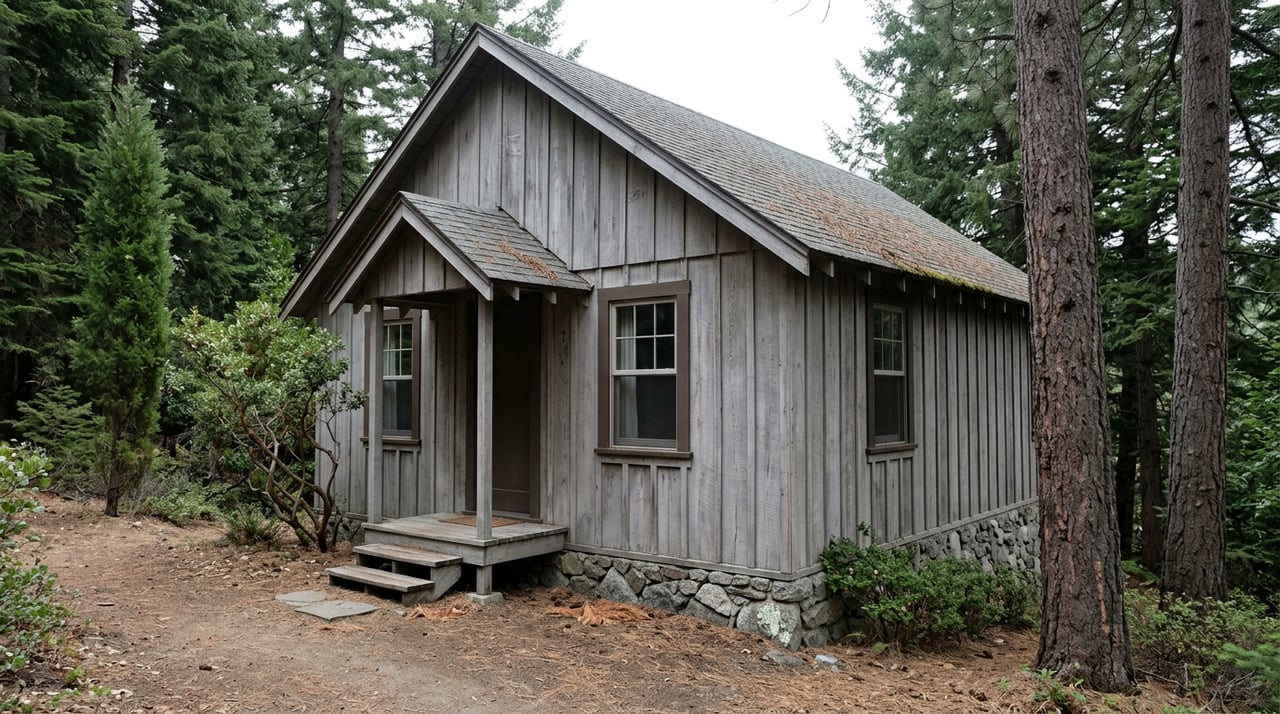
A buyer we'll call the typical case finds a two-bedroom cabin off North Shore Drive listed just under $300,000. The photos show a wraparound deck, a view of the lake through cedar trunks, a stone fireplace. The listing remarks mention something about a "government permit" in passing, easy to skim past when you're already picturing weekends up there. The offer gets accepted. Then, partway through escrow, the lender's underwriter flags a problem: the buyer doesn't own the ground the cabin sits on.
That scenario plays out often enough in Fawnskin to matter to anyone shopping there right now. A meaningful slice of Fawnskin's cabin inventory sits on land owned by the United States government, not by the person selling the cabin. Understanding which kind of property you're looking at, before you fall for the listing photos, changes your financing options, your rental rights, and what you'll be able to do with the place in twenty years.
Two Cabins, Same Zip Code, Different Rules
Fawnskin sits on the north shore of Big Bear Lake, and the U.S. Forest Service's Mountaintop Ranger District is headquartered right there on North Shore Drive, along with the Big Bear Discovery Center a short distance away. That's not a coincidence. The San Bernardino National Forest has managed cabin tracts in this area since Congress established the Recreation Residence Program in 1915, a system that predates almost every other structure in the neighborhood. Cabin owners on these tracts hold a Special Use Permit to occupy Forest Service land, not a deed to it. The cabin itself is personal property. The lot underneath it belongs to the public.
That distinction sounds abstract until you try to sell, insure, or finance one of these homes. A fee-simple Fawnskin cabin and a Recreation Residence cabin can look identical in a listing photo and behave nothing alike as a transaction.
What a Permit Actually Covers
The current framework comes from the Cabin Fee Act of 2015, which replaced an older appraisal system that had grown erratic and expensive to administer. Under the Act, every permitted cabin sits in one of eleven annual fee tiers, ranging from $650 to $5,650, based on the appraised value of the underlying lot. When a cabin changes hands, the new owner doesn't inherit the old permit. They apply for their own, and the Forest Service charges a $1,200 transfer fee on top of whatever else closing costs.
The permit also comes with restrictions that a lender, an insurer, or a buyer planning a vacation-rental income stream needs to know before they write an offer, not after:
- The land can never be purchased outright. The permit runs for a term, historically up to twenty years, with an option to renew, but ownership of the ground never transfers.
- Occupancy is governed by the permit's terms.
- The Forest Service does not allow commercial or time-share use under the program's terms, including most short-term rental setups. The intent has always been a family cabin, not an income property.
- Any change to the cabin's exterior appearance requires written Forest Service approval before work begins, and many of these structures carry historic designation that adds another layer of review.
- On sale, the seller signs a revocation of their permit and the buyer starts the application fresh, a process that runs on Forest Service timelines rather than a 30-day escrow clock.
None of this makes a Recreation Residence a bad purchase. For a cash buyer who wants a rustic weekend cabin and has no interest in renting it out, the lower price point can be the appeal, not the catch. A recent example: a two-bedroom, two-bath cabin in the Big Bear Tract sold for $160,000 in July 2025, a figure that would be hard to find anywhere else on the north shore for a home with lake views and deck space. But that price reflects the permit structure. It is not evidence that fee-simple cabins nearby are overpriced by comparison. They're different assets wearing the same zip code.
Fee-Simple vs. Permit Land, Side by Side
| Fee-Simple Cabin | Forest Service Permit Cabin | |
|---|---|---|
| Land ownership | Buyer owns the lot | U.S. Forest Service owns the lot |
| Short-term rental | Governed by county STR ordinance | Subject to permit terms |
| Transfer on sale | Standard deed recording | New Special Use Permit application plus $1,200 USFS transfer fee |
| Annual permit fee | Not applicable | Tiered permit fee ($650–$5,650) |
What Fawnskin's Median Price Is Actually Hiding
As of August 2026, Fawnskin's median list price sat at $599,000, down 16 percent from the prior month and 15 percent from a year earlier. Zillow's home value index for the 92333 zip code, which smooths across all homes rather than just current listings, put the average at $466,848, down 6.3 percent year over year. Homes were spending a median of 199 days on the market.
Those numbers describe a genuinely small, genuinely slow market, but they also describe a market where two very different products are being averaged together. Active listings in Fawnskin this year have ranged from vacant lots and Recreation Residence cabins priced in the low hundreds of thousands up to fee-simple lakefront estates on North Shore Drive listed near $2 million and above $3.7 million. When a market has this few transactions in a given month, one high-end lakefront sale or one cluster of permit-land cabins hitting the count at the same time can swing the median by a wide margin without any real shift in what an ordinary buyer's dollar gets them.
This is the piece a headline price doesn't tell you. In a thicker market like Big Bear Lake proper, a median absorbs outliers without much distortion. In Fawnskin, with its combination of low sales volume and two structurally different ownership types sharing the same handful of streets, the median is a much blunter tool. Price per square foot and land tenure type tell you more about what you're actually comparing than the headline number does.
Before You Write an Offer
If a Fawnskin listing catches your eye, a few questions early in the process save a lot of trouble later:
Ask directly whether the property sits on a Recreation Residence tract or on privately owned land. Listing remarks sometimes flag it with phrases like "government lease" or "Special Use Permit," but not always clearly.
Loop in your lender before you fall in love with the cabin, not during underwriting. Financing on permit land is possible but limited, and knowing your options up front changes what you can realistically offer.
If income potential is part of your plan, confirm rental rights before you assume a fee-simple rental income projection applies. Cabins on Forest Service land carry rental restrictions that don't show up in a typical STR ordinance search.
Request a copy of the current Special Use Permit and its fee tier from the seller. The San Bernardino National Forest's Recreation Residences program page outlines the current rules, and the Mountaintop Ranger District can confirm tract-specific details for any Fawnskin address.
FAQ
How does ownership type affect financing? Financing options depend on the property, so loop in your lender before making an offer.
Does the Forest Service permit transfer automatically when I buy the cabin? No. The seller revokes their permit at closing, and the buyer applies for a new one with the Forest Service, along with the $1,200 transfer fee. This runs separately from your escrow timeline.
What should I check before short-term renting a Recreation Residence cabin? Review the program's terms before making rental plans, even where county rules would otherwise allow it.
What happens to the cabin after the permit term ends? Permits run for a set term, historically up to twenty years, with an option to renew. The cabin itself remains the owner's personal property, but continued occupancy of the land depends on renewal through the Forest Service.
Fawnskin rewards buyers who ask the right question before they ask for a price reduction. Whether you're weighing a rustic permit cabin against a fee-simple lakefront home, the team at SoCal Resorts can walk you through which Fawnskin properties actually fit your financing, your rental plans, and your timeline, and help you avoid finding out the hard way mid-escrow. Reach out for a free home valuation and a straight answer on what you'd actually be buying.
This article is general information, not legal, tax or financial advice. Consult a qualified professional about your situation.