Looking for a property manager for your Fawnskin or Sugarloaf cabin and not sure where to start? Mountain homes work hard in all seasons, and the right manager can make the difference between steady income and stressful surprises. You want someone who understands winter storms, septic systems, guest turnover, and county rules, not just a generic rental playbook. In this guide, you’ll find the local must-knows, the exact questions to ask, and a simple checklist to help you choose with confidence. Let’s dive in.
Why local mountain experience matters
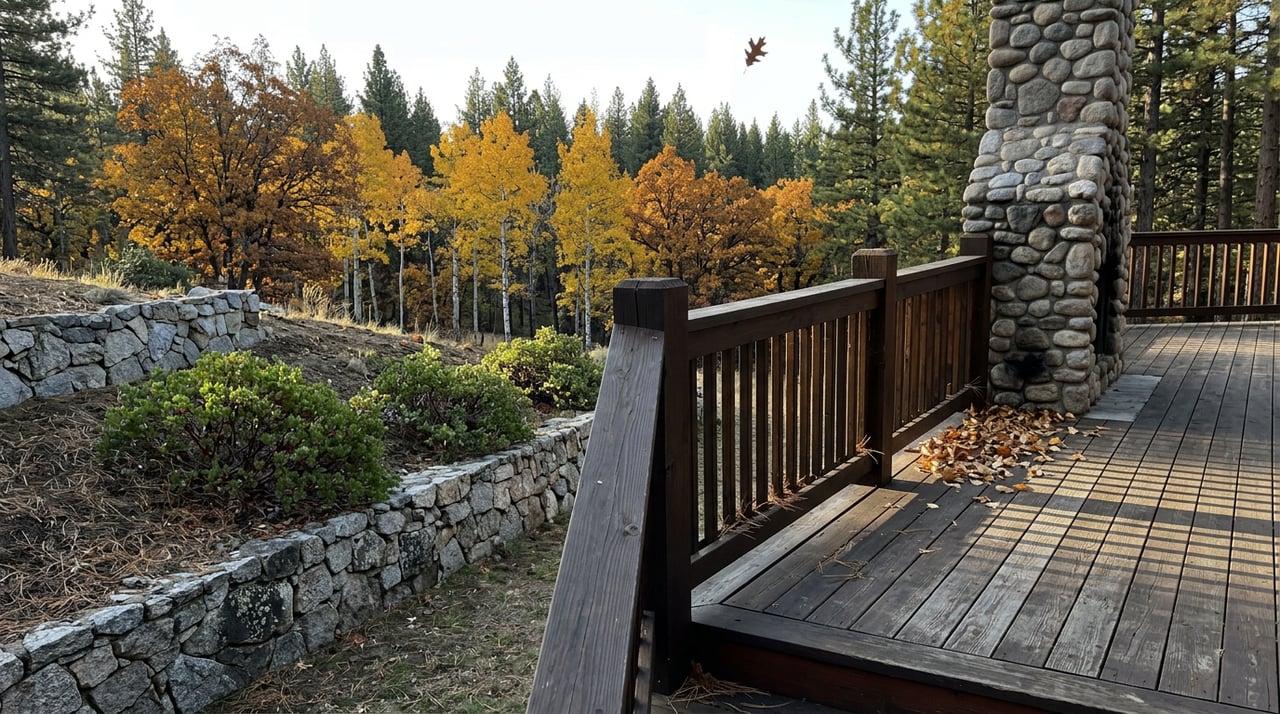
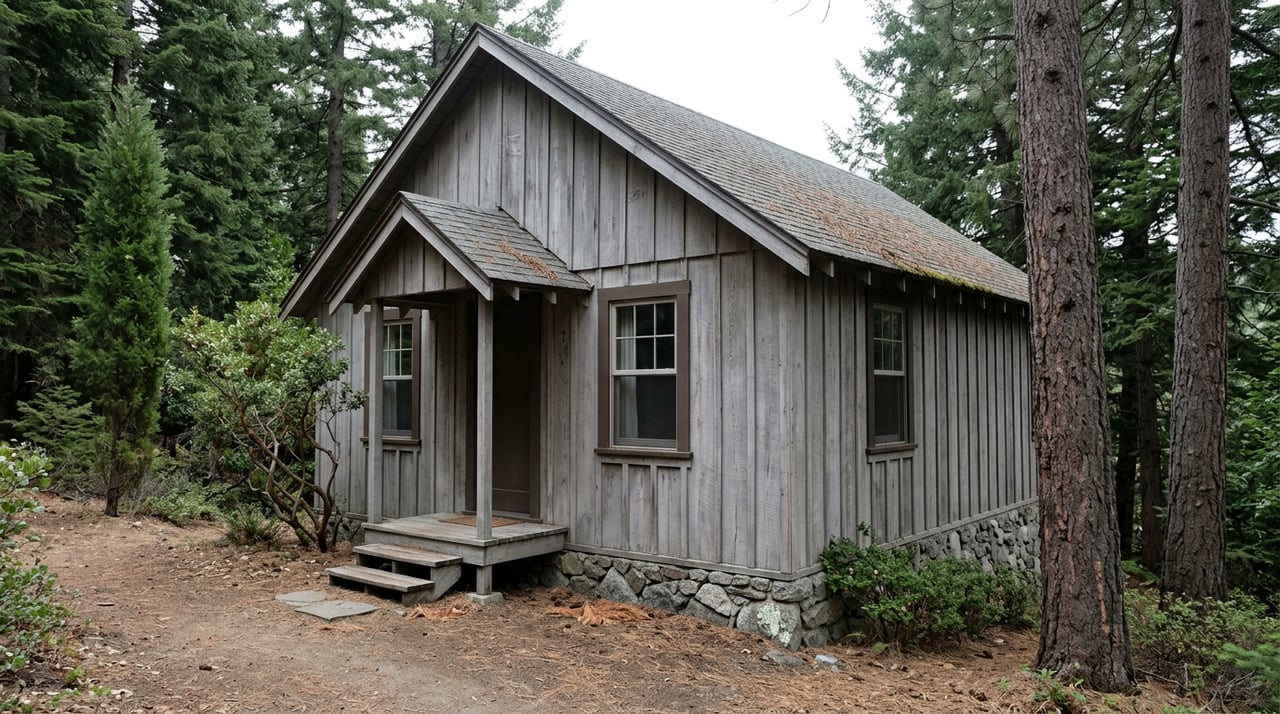
Fawnskin and Sugarloaf sit in the Big Bear Valley, where many homes are cabins or older mountain properties. Features like septic systems, wells, steeper driveways, wood stoves, and proximity to forest land are common. A manager needs real mountain know-how to handle these safely and cost effectively.
Demand here is seasonal. Winter brings ski traffic and holidays, and summer draws lake visitors. Shoulder months can be slower. An experienced manager understands pricing by season and local events so you don’t miss peak weekends or discount too deeply in off months.
Operations are different from the city. Snow removal, ice mitigation, winterizing pipes, coordinating septic and well service, and wildfire preparedness are all part of the job. Local road closures and plowing schedules can affect guest access. A manager who has solved these problems before will protect your property and your reviews.
Understand rules and risk in San Bernardino County
Fawnskin and Sugarloaf are unincorporated communities. That means county rules apply, not the City of Big Bear Lake’s municipal code. Owners often assume the city’s stricter short-term rental program applies everywhere. It does not. Ask each prospective manager how they stay current on county requirements and HOA restrictions.
- Short-term rentals usually require registration and compliance with county code and transient occupancy tax rules. Confirm who handles permits, business licensing, guest rules, and any HOA registrations.
- In California, marketing and leasing activities for others generally require a real estate broker license. Verify a manager’s license and ask for their broker number. Confirm that they use proper trust accounting for rents and deposits.
- Clarify who collects and remits transient occupancy tax for vacation rentals. Many managers do this, but practices vary. You should see TOT handling on your owner statements.
- Security deposit handling is governed by California Civil Code. Expect clear timelines, itemized deductions for damages, and accurate records.
- Insurance matters. Maintain appropriate landlord or STR coverage for your property. A professional manager should carry commercial general liability and errors and omissions insurance and provide certificates upon request.
Choose the right service model
Different service models fit different goals. Start by clarifying how you plan to use the property and how hands-on you want to be.
- Full-service long-term management. Includes tenant placement, rent collection, maintenance, inspections, and legal coordination. Good if you want stable income and minimal involvement.
- Vacation or short-term rental management. Includes listing creation, dynamic pricing, guest communication, 24/7 support, cleaning, and turnovers. Best for maximizing seasonal income with hospitality-level service.
- Leasing-only or placement-only. The manager markets the property and screens tenants, then you handle the rest. Works if you live nearby and have time to manage.
- Hybrid or à la carte. Pick specific services, like maintenance coordination or guest communication, while you handle others.
Compare fees the smart way
Fees vary widely in mountain vacation markets, so compare apples to apples.
- Ongoing management fee. Long-term management often falls in the mid single digits to about 10 to 12 percent of gross rent. Vacation rental management typically ranges higher, often 20 to 40 percent of rental revenue due to frequent turnovers and guest services.
- Leasing or placement fee. A one-time charge for finding tenants. For STRs, look for startup or listing fees.
- Setup and onboarding. Some managers charge for initial inspections, photography, and listing buildout.
- Maintenance markups and repair coordination. Ask whether they add a percentage to vendor invoices or charge flat coordination fees.
- Other add-ons. Project management, legal coordination, restocking, linen programs, and emergency response can carry extra costs. Get everything in writing.
- Online travel agents. If your STR is distributed across platforms, clarify how commissions are handled and displayed on owner statements.
Look for transparency. A complete fee schedule and a sample owner statement should be available before you sign.
Mountain-specific operations you should require
A good Fawnskin or Sugarloaf manager should be ready for the realities of altitude, snow, and forest proximity.
Local vendor network
- Snow plowing and ice mitigation for steep driveways.
- Septic pumping, well servicing, and winterization.
- Heating, wood stove, propane, and frozen-pipe prevention.
- Seasonal startup and shutdown checklists.
Guest services for STRs
- 24/7 communication and a local on-call team.
- Keyless entry, lockbox management, and lockout policies.
- Cleaning and linen services with post-checkout inspections.
- Damage prevention: deposits, damage protection programs, and noise or occupancy monitoring that complies with local rules.
Wildfire readiness and emergency plans
- Defensible-space checks and brush clearing coordination.
- Evacuation procedures, owner notifications, and post-event property security.
HOA and neighborhood compliance
- Knowledge of CC&Rs, guest registration rules, parking, and noise expectations.
Local marketing knowledge
- Peak weekends, weather-driven spikes, and pricing strategies specific to Big Bear Valley.
Owner communication
- A clear cadence for updates, a defined point of contact, and an escalation path for emergencies.
How to vet property managers
You will feel confident when you have documents, data, and references in hand. Ask for these before you commit.
Documents to request
- California real estate broker license number and proof of trust accounting procedures.
- Certificates of insurance for commercial liability and errors and omissions.
- Business license and any county STR or TOT registration details, if applicable.
- A sample management agreement and a sample owner statement.
- Three local owner references for comparable cabins or STRs.
- Example listings and performance data, such as occupancy rate and average daily rate.
- A list of preferred vendors and any written markup policies.
- Written policies for damages and security deposits.
Interview questions to ask
- How long have you managed in Fawnskin, Sugarloaf, or the broader Big Bear Valley? Can you provide local references?
- How do you price STRs and which platforms do you use? Do you use dynamic pricing tools?
- Who handles guest or tenant communications and when is support available?
- How do you handle repairs, emergency approvals, and cost thresholds before calling me?
- How do you manage transient occupancy tax and business licensing?
- What is your screening process for guests and tenants?
- How often do you inspect properties? What are your rekey and lockout policies?
- What is your wildfire preparedness plan and post-evacuation procedure?
Metrics and service standards
- STR metrics: occupancy rate, average daily rate, revenue per available rental, and cleaning or turnover costs.
- Long-term metrics: days to lease, vacancy rate, rent-collection rate, and eviction frequency.
- Response time for maintenance and emergency calls.
Red flags
- No broker license or reluctance to share license number.
- Vague answers about trust accounting, insurance, or TOT remittance.
- Hidden fees or no sample agreement and statements.
- No clear emergency plan for snow or wildfire conditions.
- Lack of local references or only out-of-area experience.
Step-by-step checklist
Use this simple checklist to keep your selection process organized.
Before interviewing
- Define your goals: STR or long-term, desired owner use, and target income.
- Gather property info: HOA rules, septic and well details, recent inspection reports, utility providers, and existing permits.
During selection
- Verify broker license and confirm insurance coverage.
- Collect at least three local references and, if possible, tour a comparable property they manage.
- Compare management agreements line by line. Look for termination rights, fee disclosures, and dispute resolution.
- Confirm who handles STR permits, business licenses, and TOT registration and filings.
After selection
- Get an initial property condition report with photos and a full walkthrough.
- Set communication expectations and activate your owner portal.
- Obtain vendor contracts and emergency contacts.
- Confirm procedures for seasonal openings or closings, snow plans, and wildfire events.
Common scenarios and tips
If you plan short-term rentals. Focus on guest experience, fast turnovers, and dynamic pricing. Ask for performance benchmarks for comparable cabins in your area.
If you want a year-round tenant. Prioritize screening, rent collection, legal compliance, and clear maintenance approval processes.
If you live out of state. Choose a manager with a strong local on-call team, defined emergency protocols, and a proven vendor network for snow and utility issues.
If your property is an older cabin. Budget for preventative maintenance, septic and chimney service, and off-season projects. A proactive manager can schedule work when rates are lower and access is easier.
Your next step in Big Bear Valley
The right manager will protect your asset, optimize income, and reduce stress. If you’re weighing STR versus long-term, or you want a property-specific plan for Fawnskin or Sugarloaf, we can help you think it through. Our team pairs deep local knowledge with a hospitality mindset so you get practical guidance and trustworthy referrals to reputable local operators. If you are also considering selling or repositioning your asset, we can provide pricing guidance and a plan to prepare the home for top-of-market results.
Ready to align your property goals with the right management plan? Connect with SoCal Resorts Group for local guidance and to get a free home valuation.
FAQs
Do California property managers need a real estate license?
- Yes. In California, marketing and leasing for others generally requires a real estate broker license, and managers must follow trust accounting rules.
Who pays transient occupancy tax for vacation rentals in unincorporated areas?
- Responsibility depends on county rules and your contract. Many managers collect and remit TOT, but confirm who files and how it appears on statements.
Can a manager block dates for my personal use during peak seasons?
- Often yes, but the agreement should spell out notice requirements, blackout dates, and any owner-use fees or minimums around holidays.
How are guest-caused damages handled in short-term rentals?
- Managers typically use deposits or damage protection programs and may file claims. Clarify coverage, deductibles, and the dispute process.
How do maintenance emergencies work if I live out of state?
- Establish approval thresholds, an on-call vendor network, and an escalation plan. You should receive prompt updates and clear post-incident documentation.