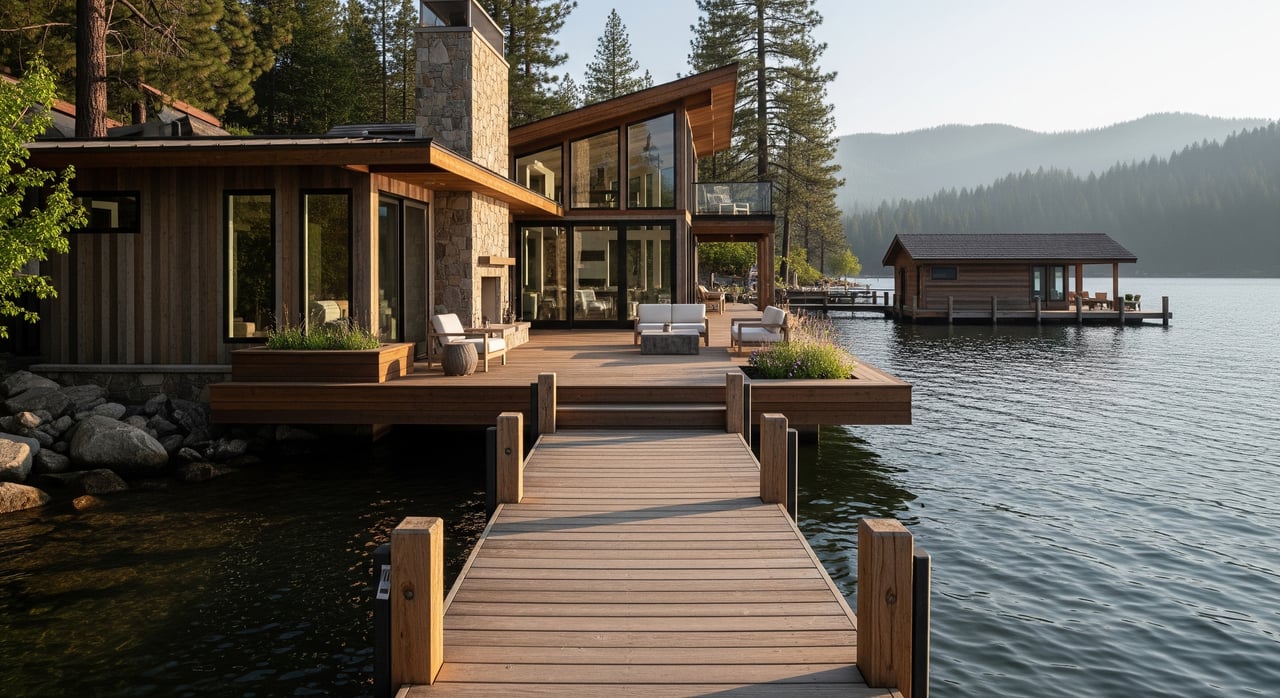
Picture this: you leave the city on a crisp Friday, wind up the pine-lined highway, and step into a cabin where the air is cool and the stars feel close. That is the Big Bear Lake rhythm many owners love. You also learn the real-world side of mountain ownership, like drying ski gear fast, de-icing a steep driveway, or scheduling a propane delivery before a cold snap. In this guide, you’ll see what day-to-day life looks like, what to budget for, how rentals work, and how to plan around seasons so you can enjoy more play with less stress.
Let’s dive in.
Big Bear Lake lifestyle at a glance
Big Bear Lake sits in the San Bernardino National Forest at roughly 6,700 to 7,000 feet. That elevation shapes everything. Winters bring snow sports and cozy nights by the fire. Summers are mild with lake time, trails, and outdoor dining. The pedestrian-friendly Village anchors shopping and dining year-round.
From most Southern California cities, you typically drive two to three hours on two-lane mountain highways in good conditions. Holiday weekends and storms can add time, so you plan your arrivals and departures with some flexibility. Property types range from classic A-frame and wood-sided cabins to lakefront homes and lower-maintenance condos near resorts or the Village.
Winter rhythm: your typical weekend
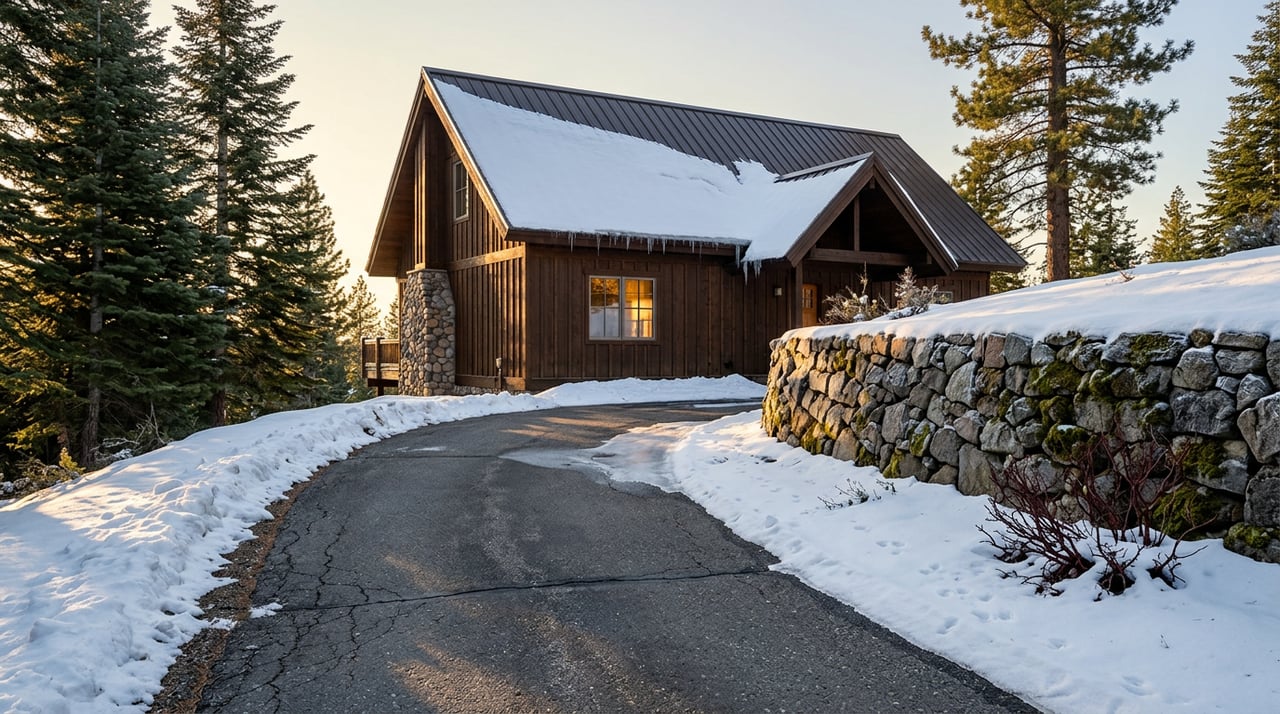
A common winter routine starts with a Friday evening arrival, unloading skis and groceries, and turning on heat. Saturday morning is about first chair at Snow Summit or Bear Mountain, with a midday break back at the cabin or a casual lunch in the Village. Afternoons often mean hot tubs, sledding, or a short stroll for cocoa.
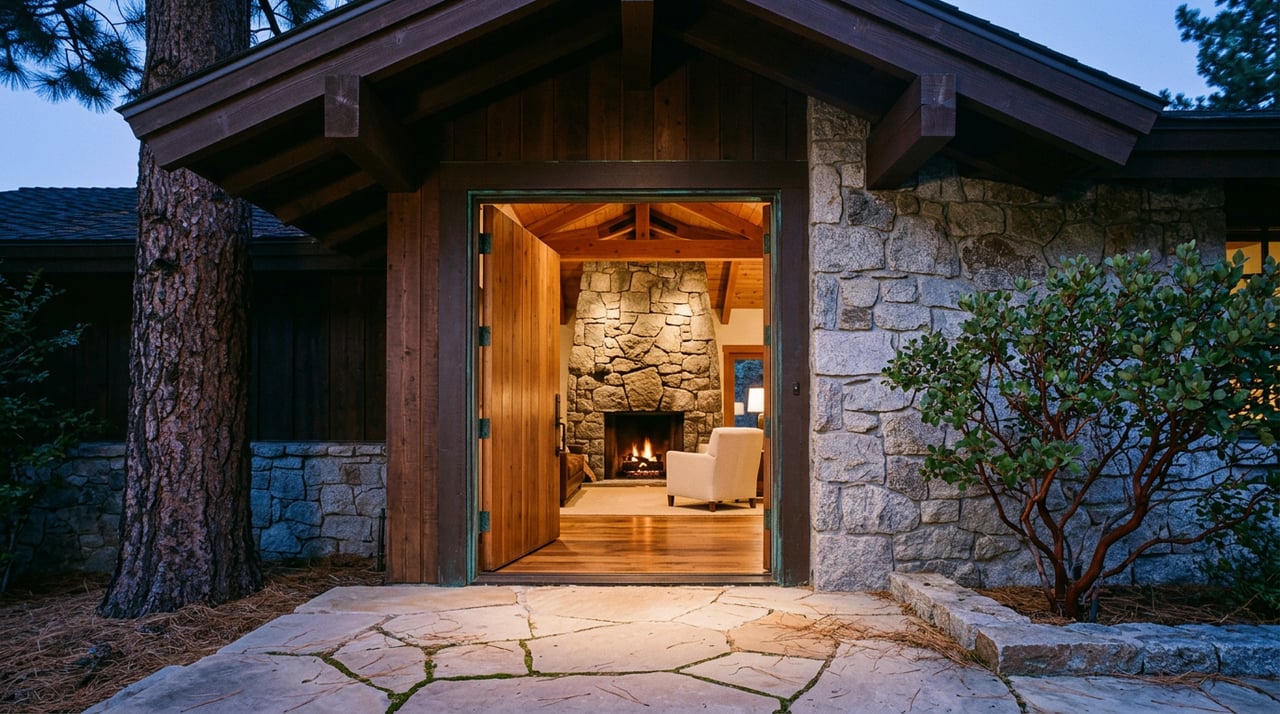
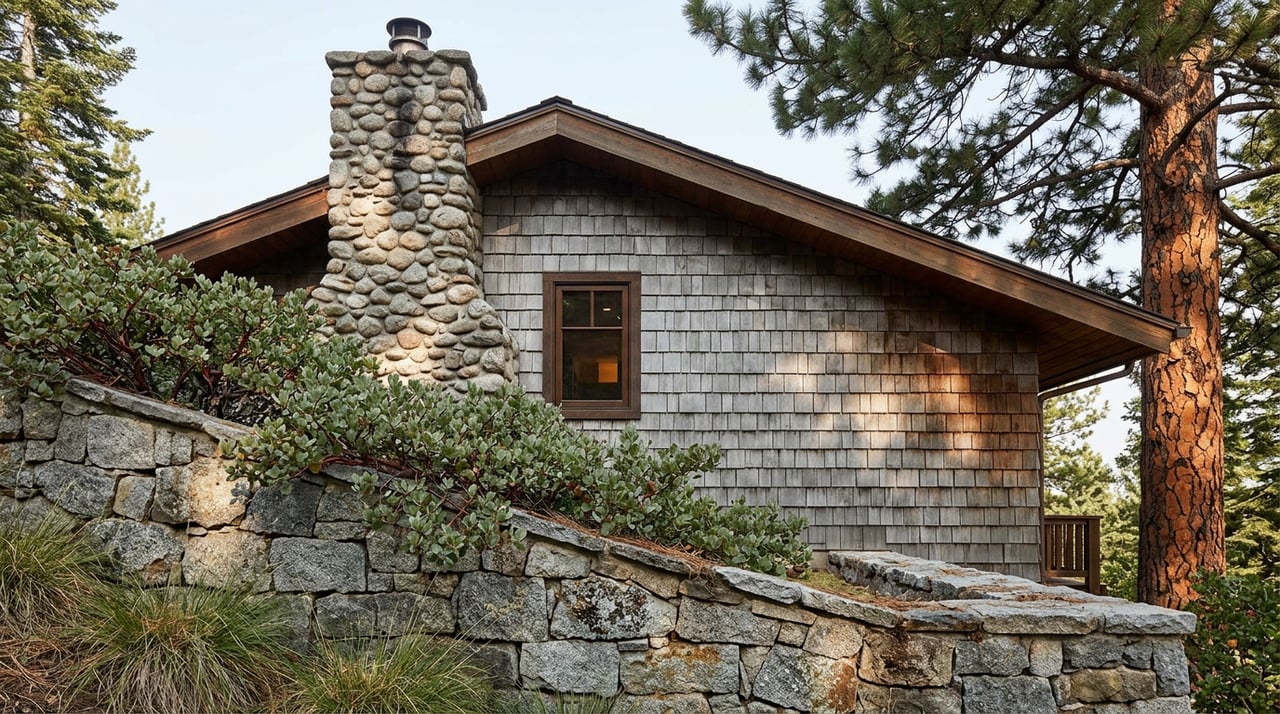
The evening pace is slow: fireplace or wood stove, board games, and an early night for another morning on the groomers. On the practical side, you get good at boot-drying, keeping walkways ice-free, and heating your cabin quickly. If you use a wood or pellet stove, plan annual chimney inspections and cleanings for safety.
Summer rhythm: lake-life days
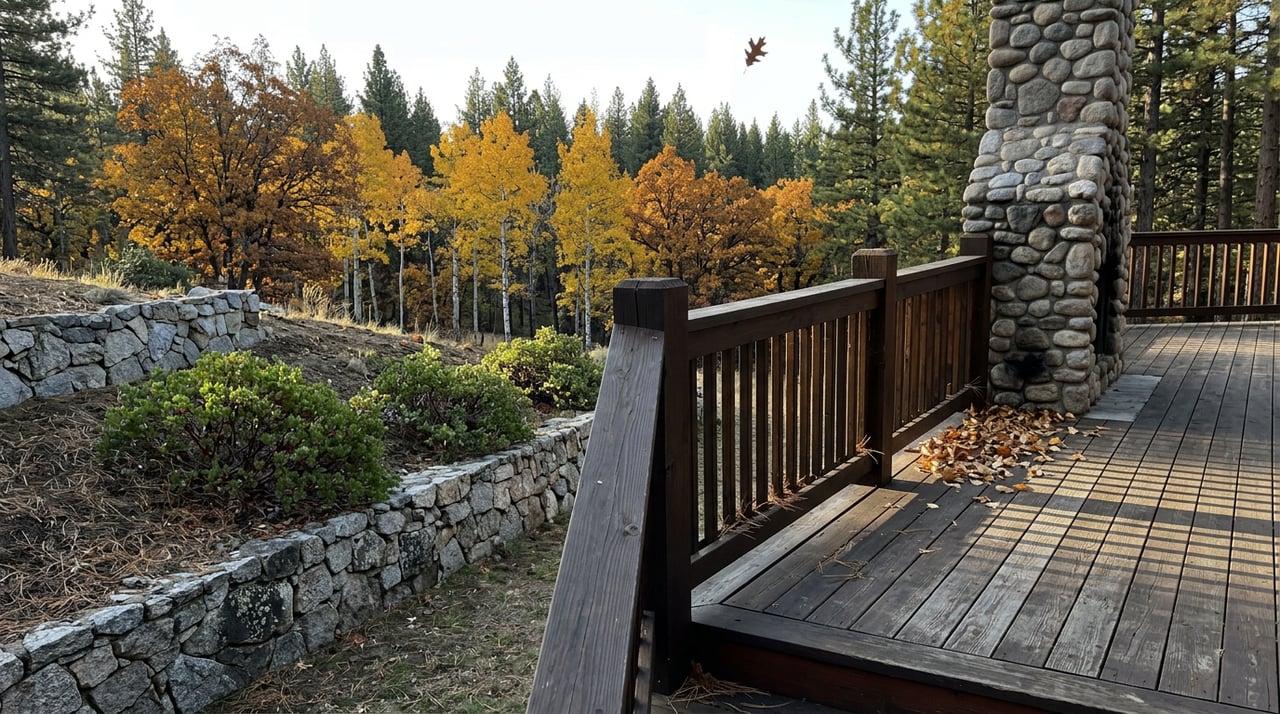
In summer, mornings start with coffee on the deck and a short hike or bike ride. Midday means boating, paddleboarding, fishing, or a picnic by the water. Late afternoons are for reading in the shade or a Village visit. Evenings often move outdoors for grilling, star-gazing, and time by a fire pit when permitted.
During high fire risk, open flames may be restricted. You plan your outdoor setup with that in mind and keep defensible space around your home. The payoff is long, bright evenings and cool mountain breezes that make al fresco time feel effortless.
Extended stays and simple routines
If you spend a week at a time, you blend big days with slower ones. You might schedule two full ski or boating days, then pause for rest, Village time, or short scenic drives. Extended stays need a bit more planning: extra groceries, a check on propane levels, and quick run-throughs of home systems before you head down the mountain.
Connectivity varies by address, so you confirm internet options in advance. Some areas have cable, others rely on fixed wireless or satellite. Many owners find reliable service, but it is still smart to verify at the parcel level if you plan to work remotely.
Everyday logistics owners manage
Owning in a mountain-lake setting is about rhythms and relationships. Here are the core pieces you will handle:
- Seasonal maintenance. In winter, you prevent frozen pipes, maintain your heating system, and clear snow after storms. In summer, you focus on defensible space, roof and gutter checks, and pest control.
- Driveway access. Steeper driveways are common. Many owners hire snowplow services and keep de-icer on hand.
- Roof care. Snow load and ice dams are real concerns, especially on older cabins. Regular inspections help you stay ahead of issues.
- Heating and fuel. Depending on the property, you might use natural gas, propane, electric heat, or a wood/pellet stove. If you use propane, plan delivery schedules and tank placement.
- Utilities and trash. Parts of the city have municipal water and sewer. Some outlying parcels may use wells or septic. Trash and recycling are available in the city, but confirm logistics for your specific address.
- Internet and cell service. Coverage is patchy by lot and elevation. Confirm options like cable, fixed wireless, or satellite before you buy.
Insurance and hazard planning
Big Bear sits in a forested area with wildfire exposure. You will likely complete defensible-space work and discuss coverage limits with your insurer. Winter brings freeze and snow risks that can affect plumbing and structures, so you also confirm what your policy covers for ice or snow-related losses.
Lakefront homes come with shoreline considerations. You may need to review dock permits, mooring rules, and any flood-related policies if your property is near the water.
Costs to budget for
Ownership costs vary by property type and usage. Most owners plan for the following:
- Property taxes and any special assessments.
- Utilities: electric, gas or propane, internet, and trash service.
- Insurance: wildfire exposure can affect premiums and availability.
- Maintenance: snow removal, roof and chimney service, defensible-space trimming, pest control, and heating system service.
- HOA dues: common with condos and some townhomes.
- Property management or cleaning: especially if you rent or live off-mountain.
Renting your home: what to know
Short-term rentals are common but regulated within the City of Big Bear Lake. If you plan to rent, you must review current permitting and compliance requirements before you purchase. Rules can change, so you check municipal codes for the latest guidance.
Demand is strongest in winter ski season and around summer holidays. Midweek and shoulder seasons are typically softer. Many owners offset costs with rental income, then use the property during their favorite weeks. If you live off-mountain, local property managers can handle turnovers, cleaning, guest support, and emergency response for a fee.
Picking the right property
Different features drive value, experience, and upkeep. Focus on what matches your lifestyle and tolerance for maintenance.
Premium drivers:
- Lakefront or lake-view settings.
- Proximity to ski lifts or the Village.
- Updated mechanical systems and easy winter access.
- Usable parking and gentle driveways.
- Privacy and lot setting.
More affordable options:
- Older cabins set farther from the Village or slopes.
- Condos and smaller townhomes with lower-maintenance living.
- Properties needing renovation. These can offer lower entry prices but come with steady projects and costs.
A buyer’s due diligence checklist
Use this quick checklist to verify key details before you make an offer:
- Utilities: confirm water, sewer, or well and septic status at the parcel.
- Heating system: type, age, service records, and any propane tank history.
- Roof and chimney: age, snow-load preparedness, and inspection status.
- Driveway slope: plow feasibility and parking in heavy snow.
- Connectivity: internet and cell options at the exact address.
- Access to fun: minutes to ski lifts, the Village, lake access, groceries, and medical services.
- STR status: current city permit rules and any HOA restrictions.
- Insurance: availability and underwriting notes related to wildfire exposures.
- Market context: recent comparable sales and realistic rental occupancy by season.
Getting there and getting around
Mountain roads are usually open in winter, but storms can trigger chain controls or temporary closures. You will want a capable vehicle and the willingness to use chains in heavy snow. Before a big weather event, many owners adjust travel times to avoid peak traffic and give themselves a safer window for the drive.
Parking and driveway management are part of the routine. A local plow service is worth the peace of mind if your home sits on a slope or if you plan frequent winter trips.
Resale and timing
Resort markets run on seasonal rhythms. Buyer activity can surge in winter and summer, then slow in shoulder months. Lakefront and ski-proximate homes tend to hold value better over time, though they come with higher entry costs. If you plan to sell, consider typical days on market in your segment and align your timeline with seasonal buyer pools.
Is Big Bear right for you?
If you want a place where you can ski in the morning, grab lunch in the Village, and be back by the fire before sunset, Big Bear delivers. You get four true seasons and a community built around outdoor fun. In return, you take on planning and maintenance that are more active than in the lowlands. With the right property and a good local support network, the lifestyle feels easy and rewarding.
When you are ready to explore homes, compare rental potential, or set up a turnkey plan for ownership, we are here to help. Connect with the local team at SoCal Resorts Group for on-the-ground guidance and a smooth path from search to setup.
FAQs
How often do second-home owners use Big Bear cabins?
- Many use peak winter and summer weekends, including holidays, with occasional week-long stays. Some owners live full-time, but the typical pattern centers on ski season and summer.
Are winter roads reliable for weekend trips to Big Bear Lake?
- Roads are usually open, but winter storms can bring chain controls and occasional temporary closures. Plan for a capable vehicle and flexible timing during weather events.
Is short-term renting allowed in the City of Big Bear Lake?
- Short-term rentals are regulated. You must review current city permitting and compliance requirements before buying if you plan to rent your home.
What maintenance is unique to Big Bear ownership?
- Expect snow removal, roof and gutter checks for snow load and ice dams, chimney service, defensible-space work in fire season, pest control, and periodic heating-system service.
What internet options can I expect at a Big Bear property?
- It varies by address. Some areas have cable, while others rely on fixed wireless or satellite, including newer low-earth-orbit services. Always confirm availability at the parcel level.