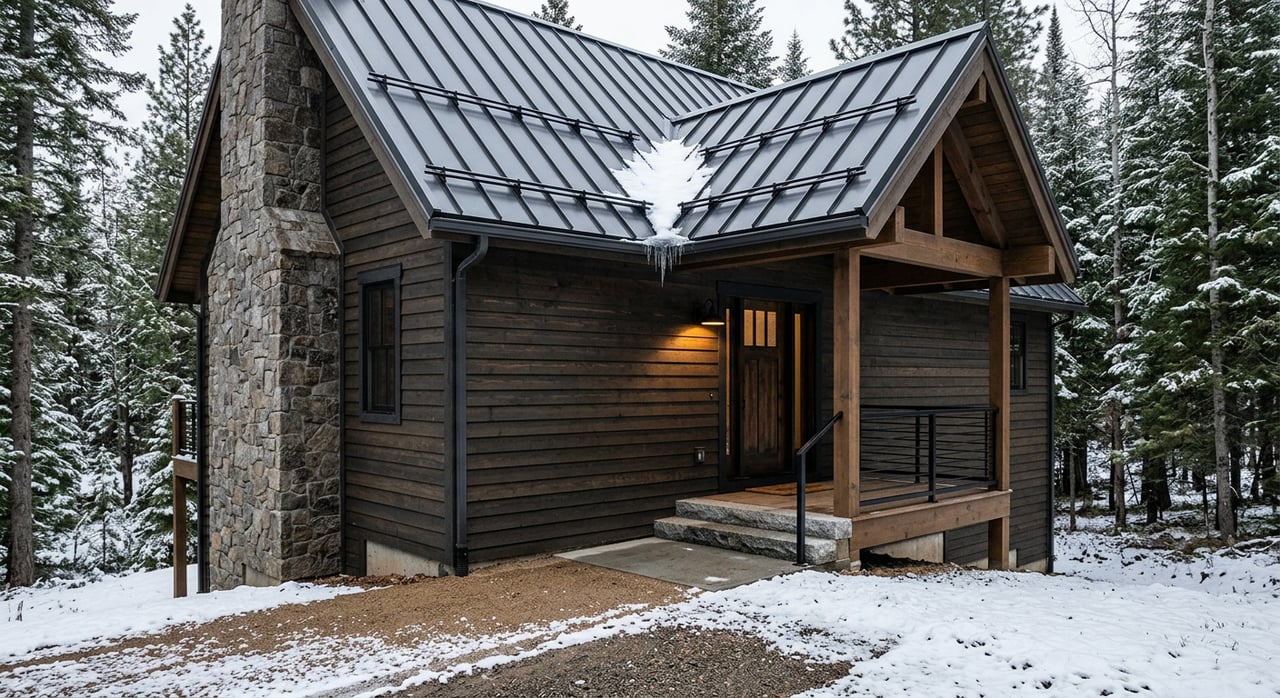
If fresh snow and first chair are your kind of weekend, a cabin near Snow Valley in Running Springs puts you close to the lifts and the forest. You want a cozy retreat that is easy to reach in winter, safe to own, and possibly rentable when you are not using it. In this guide, you will learn how access works during storms, what to look for in mountain cabins, the short‑term rental rules, and the key inspections that protect your investment. Let’s dive in.
Why Running Springs for a ski cabin
Running Springs sits along the Rim of the World, close to Snow Valley Mountain Resort at 35100 State Highway 18. The resort’s location along SR‑18 keeps most “near Snow Valley” cabins within a short drive. Travel time changes with weather, so plan your days with a bit of buffer.
If you are comparing different San Bernardino Mountain towns, Running Springs offers a quieter base with quick access to SR‑18 and SR‑330 toward the valley. That convenience matters when storms roll in and timing the drive becomes part of the plan.
For driving directions and parking specifics at the mountain, review the resort’s guidance on arrival and car access to Snow Valley.
Winter roads and access
Mountain roads are part of the lifestyle here. During storms, Caltrans and CHP use an active chain‑control system on SR‑18, SR‑330 and SR‑38. Before you head up or down, check Caltrans QuickMap for live chain controls and closures. Chain levels can change by the hour, and occasional escorts or resident‑only windows may apply.
- Bring chains and know how to install them. Practice once in dry weather.
- Keep a shovel, gloves, traction mats and a flashlight in your car.
- Expect slower travel during peak snow and holiday weekends.
Closures and alternate routes can shift quickly. If SR‑330 or segments of SR‑18 are affected, Caltrans may reroute traffic or pause it for plows. For a simple refresher on route options and what to expect during storms, review this primer on storm closures and alternate routes in the San Bernardino mountains.
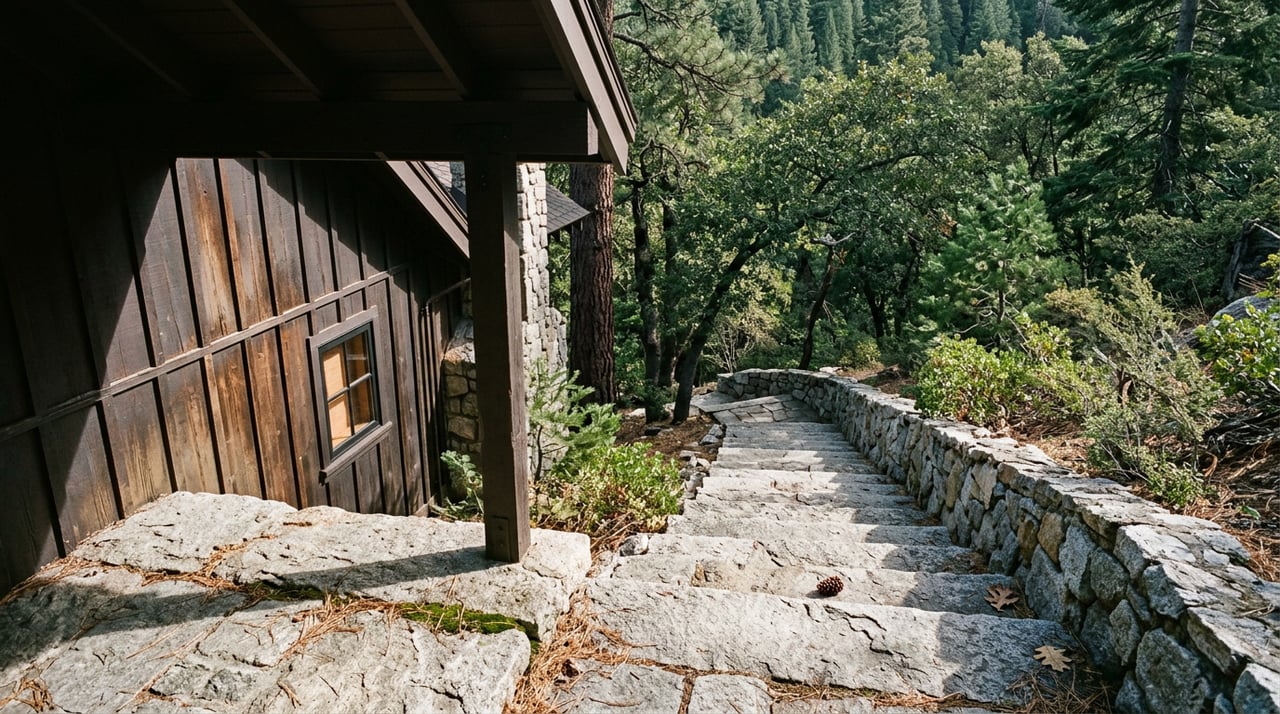
On the property itself, remember that many cabins sit on steep driveways or private lanes. Public agencies clear highways and many public roads, but private driveways are the owner’s responsibility. Ask sellers if they have a standing plow contract, who clears the driveway, how soon it is cleared after storms, and where guests can safely park when roadside berms build up.
What cabins here include
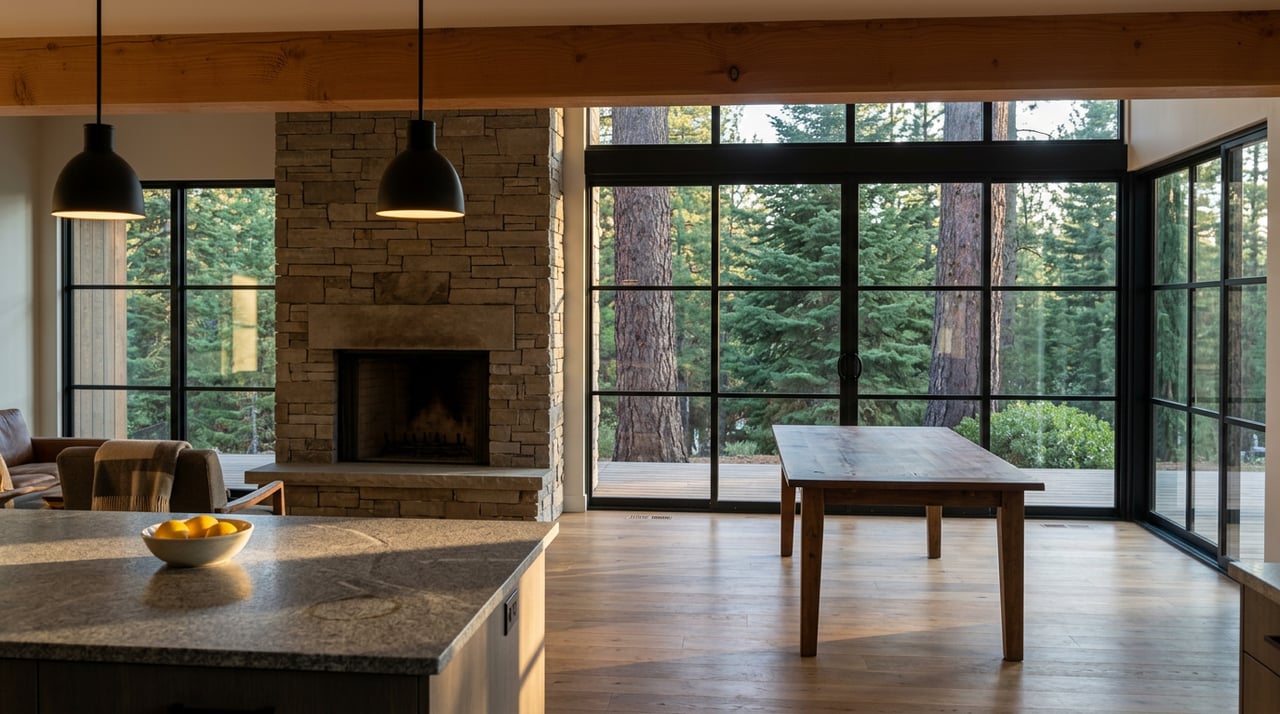
Most cabins near Snow Valley are built for four‑season use. You will often find forced‑air furnaces, propane heaters, or wood stoves. Fireplaces and stoves are cozy and marketable, but they add maintenance. Request service records for gas appliances and a recent chimney sweep report.
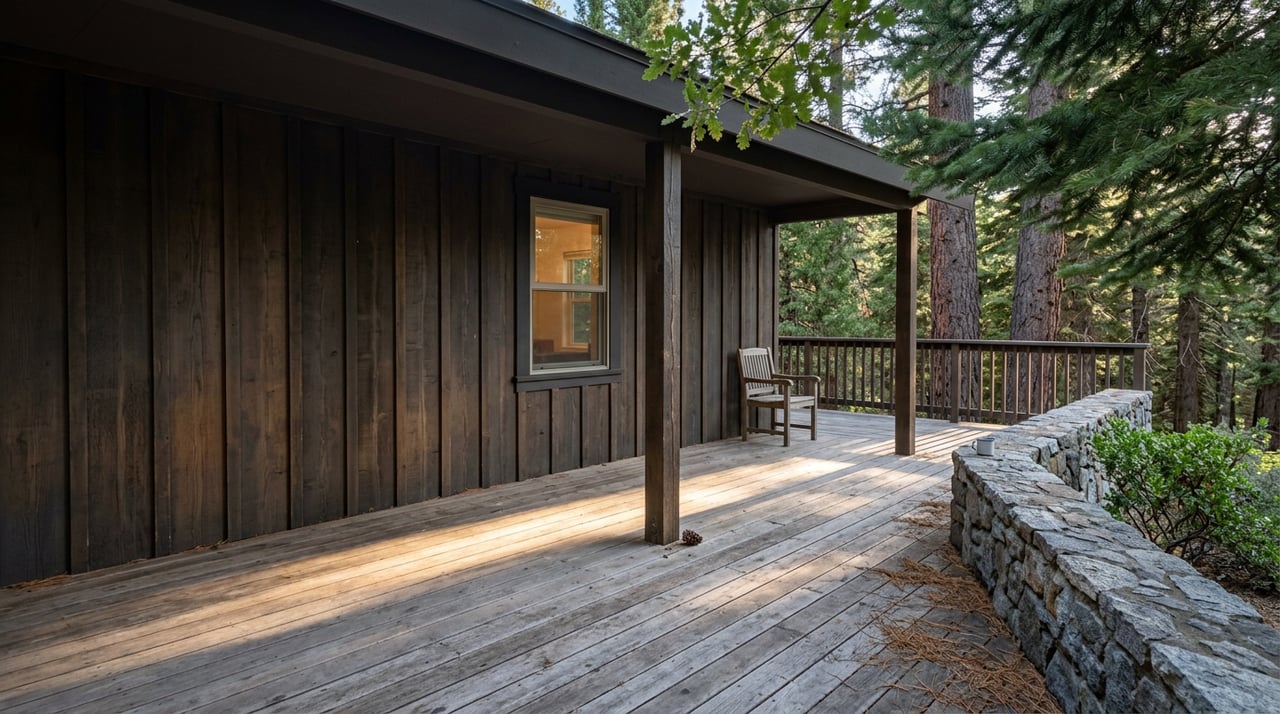
Decks and balconies are common and add outdoor living space. Look closely at ledger attachments, guardrails and any signs of rot. Roofs should be reviewed for age, flashing, valleys, and any history of snow or ice damage. Good attic insulation and ventilation make winter more comfortable and can help manage ice dams.
Electrical systems in older cabins may need updating. Ask for a panel review, GFCI coverage in wet areas and outdoor outlets, and verification that no DIY changes put coverage at risk.
Wildfire exposure affects insurance availability and price in mountain areas. California’s Safer from Wildfires framework outlines mitigation steps that can help with safety and potential discounts. Read the state’s guidance on Safer from Wildfires insurance mitigation and plan to contact insurers early in escrow.
Utilities: water, sewer and power
Running Springs is served in many areas by the Running Springs Water District for municipal water and wastewater. Not every parcel is connected. Verify whether a cabin is on the District’s system or uses a private well and septic. You can review local service context and request connection confirmation using Running Springs Water District documentation.
- If on municipal water and sewer, ask for recent utility bills and any notices of work.
- If on a private well, order a full water‑quality test and a well pump inspection.
- If on a septic system, require a septic inspection and certification, and request pump‑out history. For process details and county contacts, see San Bernardino County Environmental Health’s permit resources.
Power reliability has improved, yet winter storms can still cause temporary outages. Ask about backup options like a portable generator, battery backups, or propane supply logistics.
Short‑term rental rules and demand
Cabins close to Snow Valley draw strong winter interest, especially on ski weekends and holidays. Summer brings hikers, mountain bikers and families escaping the heat. If you plan to rent your cabin short‑term, focus on compliance first.
San Bernardino County requires a short‑term residential rental permit in unincorporated mountain areas, which includes Running Springs. Start with the County’s process and enforcement overview at the Short‑Term Rental permit portal.
The County code covers occupancy, parking, neighbor notification and inspections. Review the program standards in the County’s short‑term rental code summary and make sure the property’s parking and driveway access can support winter guests. If the home already has a permit, ask the seller for the permit record, neighbor notifications and inspection documents.
Renewals: The County’s permitting site notes annual renewals, while the development code references a biennial schedule. Rules can change. Confirm the current renewal frequency and fees with County Land Use Services or Code Enforcement when you buy.
Income depends on seasonality, compliance, strong winter access and safe parking. Set expectations around storm days, and build in time and budget for snow removal and maintenance.
Buyer due diligence checklist
Use this plain‑English checklist to guide your offer and inspections. Ask your agent to help you prioritize based on the property’s age, systems and location.
What to request from the seller
- Copies of permits for major work and any short‑term rental permit on file.
- Roof age and last service date or a recent roof inspection.
- Heating and chimney or wood‑stove service records, including any chimney sweep report.
- Recent septic pump‑out receipts and any county septic inspection or certification.
- Water District connection confirmation or well test results, plus recent water bills.
- A short winter access summary that covers driveway slope, who plows and where parking works during storms.
- Any recent insurance policy or evidence that quotes are available for the address.
Focus areas for inspections
- Roof and attic: age, flashing, valleys, signs of past snow or ice damage, insulation and ventilation.
- Chimney and wood heat: creosote levels, spark arrestor and cap, clearances and current condition.
- Heating and fuel: furnace service records, propane tank ownership or lease, and on‑site gas piping.
- Plumbing and freezing risk: exposed pipes in crawlspaces, insulation of water lines and any past freeze events.
- Electrical: panel capacity, visible wiring age, GFCIs in wet and outdoor areas.
- Decks and balconies: ledger attachments, visible rot and secure guardrails.
- Foundation and grading: soil movement, drainage that slopes toward the house, retaining wall condition.
- Defensible space: brush clearance and hardening steps around the home. Use CAL FIRE’s guidance on defensible space and home hardening.
- Access plan: driveway slope, snow berms after plows pass, and private plow contracts.
Who to contact during escrow
- San Bernardino County Land Use Services or Code Enforcement for STR rules, permits and renewal timing.
- Running Springs Water District to verify water and wastewater service.
- County Environmental Health Services for septic inspections and records.
- Caltrans QuickMap for day‑of‑travel chain control and closures.
- Your insurance carrier early in escrow to confirm coverage and any mitigation credits.
Budget and insurance planning
Set aside funds for routine winter and mountain‑specific costs. Snow removal, chimney cleaning, propane, and seasonal maintenance add up. Ask for a 12‑month history of utility bills if available. If you will rent the cabin, budget for guest supplies, wear‑and‑tear on decks and steps, and extra snow removal during peak weeks.
Insurance deserves early attention. Start quotes once you open escrow and share any defensible space documentation and recent mitigations. Review California’s Safer from Wildfires guidance and work with vendors to complete cost‑effective upgrades a carrier recommends.
Local help to buy with confidence
Buying a cabin in the mountains is about planning, not guesswork. You want local guidance on roads, utilities, inspections and STR compliance, plus a smooth handoff if you plan to rent. Our team can help you identify properties with reliable winter access, verify utilities parcel by parcel, coordinate inspections, and map out STR steps if that is part of your plan.
If you are ready to explore cabins near Snow Valley or want a second opinion on a property, reach out to the SoCal Resorts Group. Our Compass‑affiliated team offers seven‑day coverage, vendor coordination and an integrated rental pathway through SoCal Vacations so you can buy with confidence and enjoy the mountains sooner.
FAQs
How close are Running Springs cabins to Snow Valley?
- Many cabins marketed as “near Snow Valley” are a short drive from the resort. Actual time varies with weather and road conditions, so plan for winter delays and check Caltrans QuickMap on travel days.
Do I need a permit to short‑term rent in Running Springs?
- Yes. San Bernardino County requires a short‑term residential rental permit in unincorporated mountain areas, including Running Springs. The program includes occupancy, parking and neighbor notification standards. Verify current renewal timing with County Land Use Services.
What winter gear should I keep in my car for mountain trips?
- Carry tire chains, gloves, a shovel, traction mats, a flashlight and warm layers. Know how to install chains and check the Caltrans QuickMap before you drive during storms.
How do I confirm if a property is on sewer or septic in Running Springs?
- Ask the seller for written confirmation of Running Springs Water District service or, if not connected, plan for a septic inspection and certification. Request recent pump‑out receipts and any county inspections.
What inspections matter most for a ski cabin purchase?
- Focus on the roof, attic insulation, decks, chimney and wood heat, electrical and plumbing freeze risks, foundation and grading, and defensible space. For STR plans, also verify parking capacity and driveway access in snow.