Trying to choose between Lake Arrowhead and Big Bear Lake? You are not alone. Both offer fresh mountain air, blue water, and four seasons, but the day-to-day feel can be very different. In this guide, you will compare lifestyle, climate, access, real estate, rental rules, and ownership costs so you can pick the best fit for how you live, play, and invest. Let’s dive in.
Quick snapshot: The big differences
- Elevation and winter: Big Bear sits higher at roughly 6,700 feet with colder temps and more snow. Lake Arrowhead is around 5,100 feet with milder winters.
- Lake access: Lake Arrowhead centers on a private-lake lifestyle with association-controlled access. Big Bear Lake offers public access with marinas and broad recreation.
- Vibe: Lake Arrowhead feels quieter and more residential. Big Bear has a strong resort economy with ski seasons, mountain biking, and more visitor traffic.
- Rental dynamics: Big Bear often sees stronger year-round short-term rental demand due to ski and summer tourism. Lake Arrowhead rental demand is driven by lake season and holidays, with more variation by neighborhood and HOA rules.
- Governance: Big Bear Lake is an incorporated city that administers its own permits and short-term rental program. Lake Arrowhead is unincorporated, so permits and code enforcement run through San Bernardino County.
- Risk and insurance: Both are in wildfire-prone mountain terrain. Expect to plan for defensible space, snow management, and insurance diligence.
Lifestyle and recreation
Lake Arrowhead: Private lake living
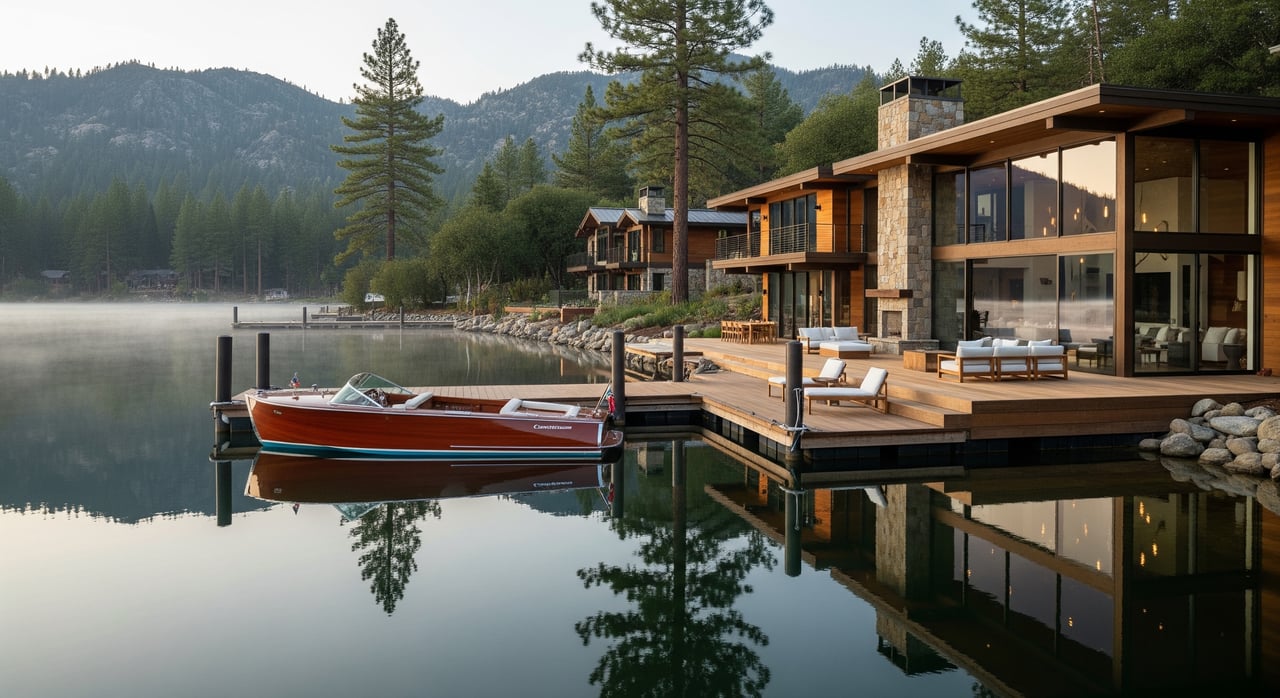
If you picture quiet mornings on the dock and afternoon cruises, Lake Arrowhead fits that vision. The shoreline is largely private, and access is managed by lake associations and communities. Lake Arrowhead Village brings shopping, dining, and seasonal events without the heavy resort crowd. Golf and country-club style amenities are available nearby, and many neighborhoods feel calm even during peak season.
Big Bear Lake: Resort hub energy
Big Bear Lake runs on a four-season recreation economy. You will find two major ski areas in winter, vibrant mountain biking in summer, and a wide range of marinas, rentals, and outfitters. Public access to the lake, plus an active town center, creates a lively feel. Expect busier weekends and holidays, more nightlife, and a wider mix of visitor-oriented services.
Climate and access
Elevation and snow patterns
Elevation shapes daily life. Big Bear’s higher elevation brings more frequent and heavier snow, which can mean more time on snow removal and higher heating costs. Lake Arrowhead’s lower elevation usually means fewer and lighter storms, though you still need to be winter-ready.
Getting here and winter driving
Both communities require snow-capable vehicles and chain readiness during storms. Big Bear roads can see more frequent winter impacts and slower travel during peak weather. Lake Arrowhead tends to be somewhat more accessible in winter, but plan for mountain driving in both places.
Real estate and ownership costs
Inventory and value drivers
- Lake Arrowhead: Many lakefront and lake-access properties, plus gated or association-managed neighborhoods. Value often hinges on private lake access, dock rights, view lots, proximity to Lake Arrowhead Village, and HOA or lake-association rules.
- Big Bear Lake: A broad mix of cabins, condos, and large mountain homes. Proximity to ski lifts, public-lake frontage, walkability to town, and rental income potential are key value drivers.
Market prices, inventory, and days on market change quickly. For the latest numbers, review current MLS data and recent comps with a local specialist.
Short-term rentals and income potential
- Big Bear Lake: The city administers short-term rental permits, inspections, and Transient Occupancy Tax. Demand is strong across seasons because of skiing and summer tourism. Always verify current permit caps, inspection standards, and enforcement.
- Lake Arrowhead: Short-term rentals are governed by San Bernardino County rules, plus neighborhood covenants and lake-association restrictions. Demand is strong in lake season and holidays, but access and association rules can shape occupancy.
For either market, verify permit status, compliance history, and any neighborhood restrictions before you buy.
Ongoing costs and utilities
- Property taxes: San Bernardino County typically follows California’s baseline of about 1 percent of assessed value plus local assessments. Confirm the exact tax rate and assessments with the county for each parcel.
- Snow and site maintenance: Budget for snow removal, driveway upkeep, and seasonal checks. Steep lots can mean added maintenance.
- Water and sewer: Some homes are on community water and sewer; others use septic systems or private wells. Verify connection type, utility provider, and maintenance responsibilities.
- Insurance: Wildfire exposure drives premiums and availability. Some buyers turn to the California FAIR Plan in high-risk zones. Get quotes early and plan for defensible space and any required retrofits.
Risks and insurance readiness
Wildfire awareness and mitigation
Both communities sit in the wildland-urban interface. Review property disclosures, local fire safety ordinances, and hazard maps. Plan for defensible space, ember-resistant upgrades, and ongoing vegetation management. Insurance availability can vary by location and home features.
Snow and localized flood considerations
Big Bear’s heavier snow can affect roofs, decks, and driveways. Around both lakes, low-lying homes and lakeshore properties can face localized flood or erosion risk. Ask for prior claims history, drainage details, and any lake-management considerations near the shoreline.
What to verify before you buy
Use this checklist on every mountain listing:
- Jurisdiction and permitting authority: city of Big Bear Lake versus San Bernardino County.
- HOA and lake-association rules, fees, and restrictions: dock rights, rental allowances, and architectural controls.
- Water and sewer: public sewer versus septic; public water versus private well.
- Road maintenance: county-maintained versus private roads and snow responsibilities.
- Short-term rental history: current permit status, historic revenues, and compliance records if buying for income.
- Insurance, hazards, and past claims: wildfire risk, flood zone, structural history, and required retrofits.
Which fits your lifestyle?
- Boating-first living: Choose Lake Arrowhead for a private-lake, lakeside lifestyle and calmer neighborhoods, keeping in mind association rules and dock rights.
- Ski and outdoor hub: Choose Big Bear Lake if you want winter sports at your doorstep, public-lake recreation, and an active town center.
- Year-round living: Both can work. Lake Arrowhead often appeals to residents who prefer a quieter residential setting. Big Bear suits those who embrace the resort economy and visitor traffic.
- Investment focus: Big Bear often delivers strong year-round STR demand. Lake Arrowhead can perform well in lake season, but results depend on access and neighborhood rules.
Selling in either market: Stand out, season by season
Lake Arrowhead sellers
Highlight private-lake advantages, lake access, and proximity to Lake Arrowhead Village. Provide HOA and lake-association documentation, dock info, and clear guidance on guest access. Time your marketing to peak lake months and holiday travel.
Big Bear Lake sellers
Showcase proximity to ski lifts, trailheads, and public lake amenities. Disclose STR permits, Transient Occupancy Tax registration, and compliance history. Lean into winter media and year-round recreation to capture both seasonal and investor demand.
Partner with local experts who do both
Choosing between these two mountain communities is easier when you have one team that knows them end to end. Our Compass-affiliated team combines deep, multigenerational local knowledge with a concierge model that covers seven days a week. We handle staging and pre-list improvements through Compass Concierge, produce premium media, and offer an integrated rental pathway through our hospitality arm for turnkey investor transitions.
Whether you want a quiet lakeside retreat in Lake Arrowhead or a high-activity base in Big Bear, we will help you align lifestyle, regulations, and numbers so your mountain home works the way you want. Ready to compare specific neighborhoods and properties side by side? Connect with the SoCal Resorts Group for a tailored plan.
FAQs
What is the main lifestyle difference between Lake Arrowhead and Big Bear Lake?
- Lake Arrowhead centers on private-lake, quieter residential living, while Big Bear Lake delivers a resort-oriented town with skiing, public-lake recreation, and more visitor traffic.
How do short-term rental rules compare in these areas?
- Big Bear Lake is an incorporated city with its own STR permits and TOT; Lake Arrowhead follows San Bernardino County rules plus neighborhood and lake-association restrictions.
How does winter weather affect daily life in each community?
- Big Bear’s higher elevation brings heavier snow and more frequent winter impacts, while Lake Arrowhead is lower with milder winters, though both require winter-ready vehicles and planning.
Is lake access public in both places?
- Big Bear Lake offers broad public access and marinas; Lake Arrowhead’s lake access is private and governed by associations, so verify rights for each property.
What ownership costs should I plan for in San Bernardino mountain homes?
- Budget for property taxes, snow removal, utilities, possible septic maintenance, and wildfire-focused insurance; verify water/sewer connections and road maintenance for each parcel.