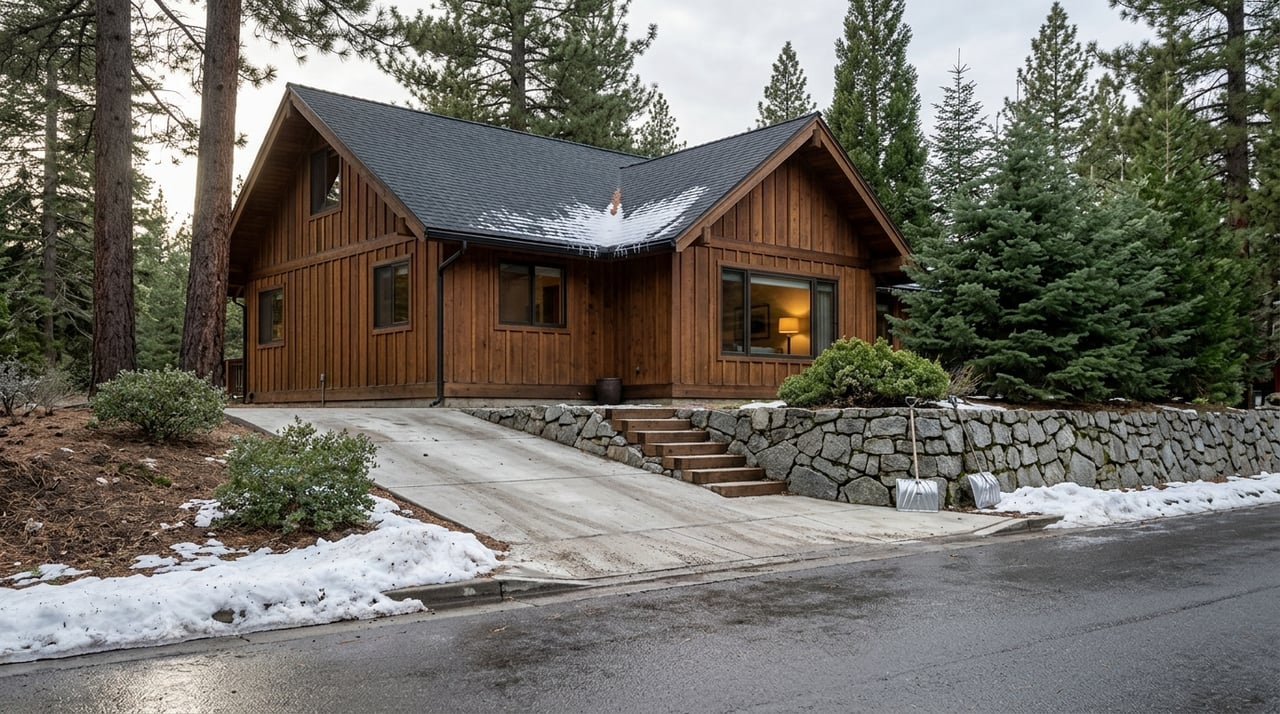
If you are home shopping in Running Springs, one of the first surprises is that this small mountain area can feel very different from one pocket to the next. A cabin near town, a tucked-away place in Arrowbear, and a home closer to Snow Valley may all share pine trees and mountain charm, but they can fit very different goals. This guide will help you understand how Running Springs micro-neighborhoods are organized, what each area tends to offer, and how to match the right pocket to the way you want to use the property. Let’s dive in.
How Running Springs Is Really Organized
Running Springs is best understood as part of San Bernardino County’s Hilltop Communities. That larger area includes Running Springs, Arrowbear, and Green Valley Lake, and the county places it about 13 miles northeast of San Bernardino.
The area is surrounded by the San Bernardino National Forest, and the county estimates that about 77% of the Hilltop area lies within the forest. That setting shapes daily life here. You are not buying into a typical suburban layout. You are buying into a mountain environment with recreation, seasonal use, and car-based travel built into the experience.
Access centers on a few key routes. The main travel corridors are SR 18, also called Hilltop Boulevard, SR 330, also called City Creek Road, and Green Valley Lake Road or 101 Mile Drive.
That road network matters because it influences how each micro-area feels in practice. Some homes are better positioned for quick trips to local services and highway access, while others feel more removed and recreation-focused.
What Buyers Notice First
The county describes a development pattern that mixes single-family and multi-family homes, often on lots up to five acres, with small commercial clusters along SR 18 in Running Springs and Arrowbear. In simple terms, this means the area does not have one uniform housing pattern.
Instead, you will find a mix of cabins, cottages, and mountain homes spread across different terrain and lot types. Some pockets feel more practical and connected to town services, while others lean into the quiet, wooded, cabin-in-the-mountains experience.
Another important point is mobility. Walk Scores in the Hilltop area range from 1 to 36, there are no bicycle facilities noted in the county profile, and most errands still require a car.
If that matters for your plans, it helps to know that Mountain Transit runs Route 4 between Lake Arrowhead and Running Springs, and Route 5 between Big Bear Valley, Running Springs and Arrowbear, Snow Valley, and San Bernardino. Even so, most buyers should still expect a car-dependent lifestyle.
In-Town Running Springs
Best for convenience
If your top priority is easier day-to-day access, in-town Running Springs is usually the most practical place to start. This pocket tends to offer the shortest drive to town services and the main highway corridor.
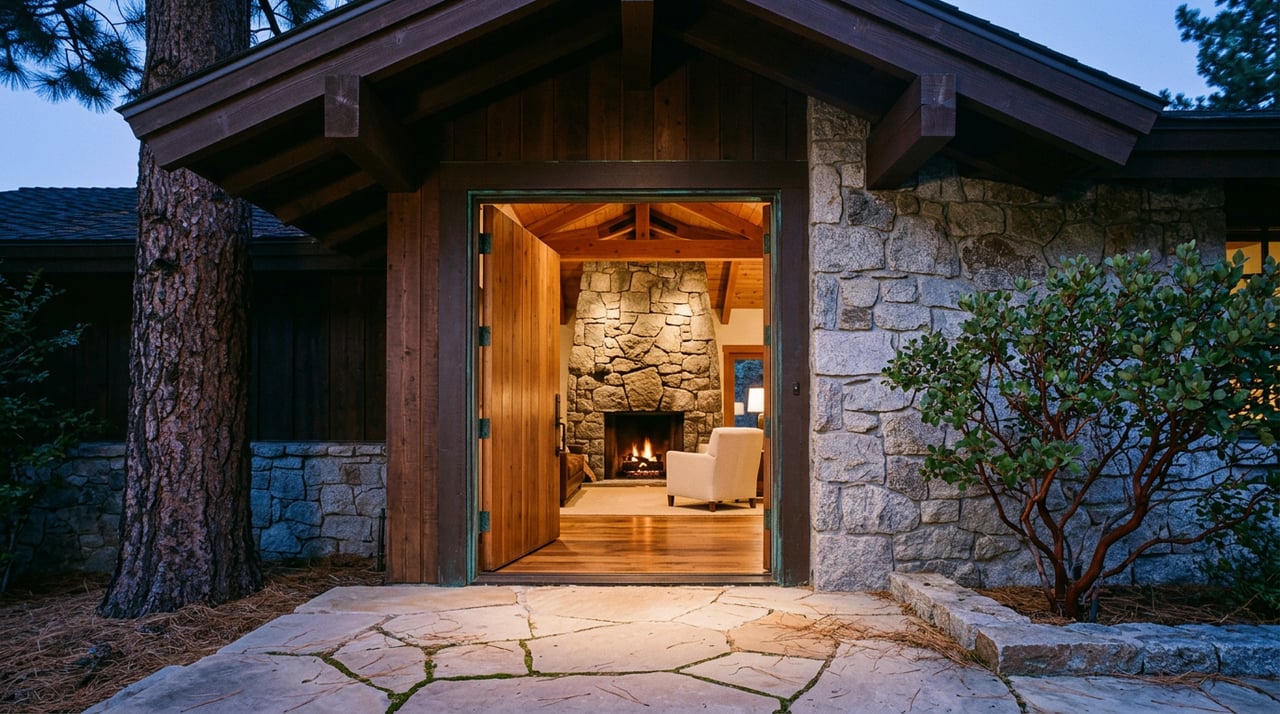
Current listings in streets like Pine Cone Drive, Hilltop Drive, Nob Hill Circle, Snowflower Drive, Panorama Drive, and Deep Creek Drive show the kind of homes buyers often picture in Running Springs. You will see A-frames, knotty-pine cabins, cozy cottage-style homes, loft layouts, rock fireplaces, and smaller woodsy houses.
Some listing descriptions specifically note walkable access to town or the village, along with being roughly 10 to 15 minutes from Snow Valley. For buyers who want a weekend place without feeling too far removed from basics, this area often strikes a good balance.
What the lifestyle feels like
In-town Running Springs tends to work well if you want a property that supports frequent use. You may find it easier to pop up for the weekend, access nearby services, and spend less time navigating deeper mountain roads.
That does not mean it feels urban. It is still a mountain setting, still car-dependent for most errands, and still shaped by weather and elevation. But compared with more tucked-away pockets, it generally offers the most convenience.
Arrowbear Lake
Best for a quieter cabin feel
Arrowbear sits east of Highway 18 and often appeals to buyers who want a more tucked-away setting. The county notes that businesses in Arrowbear and Running Springs cluster along SR 18, but many homes in Arrowbear feel a bit more removed from the main flow.
Recent listings highlight level lots or level-entry homes, private cul-de-sacs, forest backdrops, boulders, and cabin types ranging from one-level cottages to A-frames and tri-level retreats. Many descriptions also emphasize quiet surroundings, hiking access, and quick access back to the highway.
What sets Arrowbear apart
If in-town Running Springs leans practical, Arrowbear often leans atmospheric. Buyers who want a stronger cabin-in-the-woods character may prefer this area because the setting can feel more private and more immersed in the forest backdrop.
That said, the tradeoff is usually less of the quick in-town convenience some buyers want for everyday use. If your goal is peace, a wooded setting, and a mountain escape that feels distinct from city life, Arrowbear often deserves a close look.
Snow Valley Corridor
Best for ski access
For buyers who want to stay close to winter recreation, the Snow Valley corridor stands out. Snow Valley is the ski anchor for this part of the mountain, located on State Route 18 above Running Springs and about 5 miles east of town.
According to Ski California, Snow Valley has a base elevation of 6,800 feet, a summit of 7,841 feet, and about 125 inches of average annual snowfall. The resort also offers beginner terrain, learning centers, lift-served sledding, hiking, mountain biking, and summer operations.
Why this pocket appeals
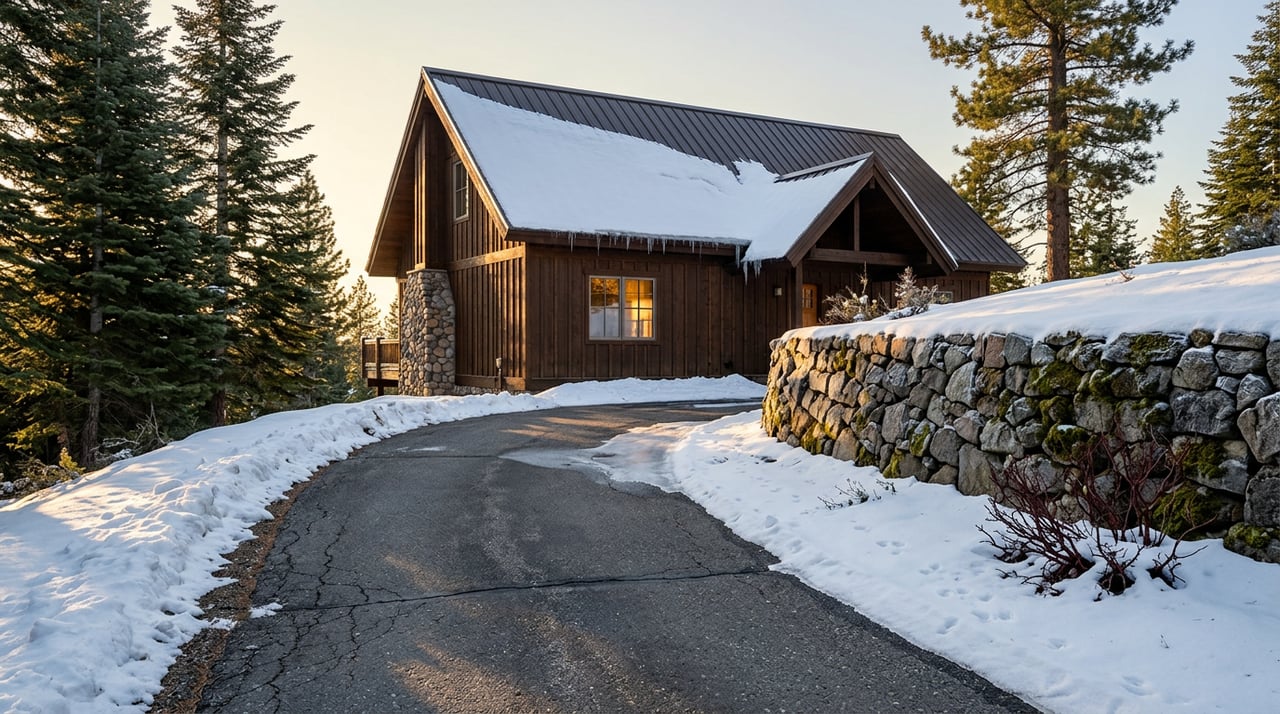
That makes nearby homes especially appealing for buyers who think of the property as a four-season recreation base. If you are shopping for ski weekends, snow play, summer riding, hiking, or a cabin that supports year-round outdoor use, this corridor can be a natural fit.
The closer you are to the resort area, the more your home may function like a launch point for recreation rather than a primarily convenience-driven location. For some buyers, that is exactly the point.
Cabin Styles and Lot Patterns
Expect variety, not one template
One of the best ways to understand Running Springs is to think in terms of cabin vocabulary rather than one architectural style. The county profile describes residential development on relatively spacious lots with limited setbacks, while active listings show the familiar mountain mix buyers expect.
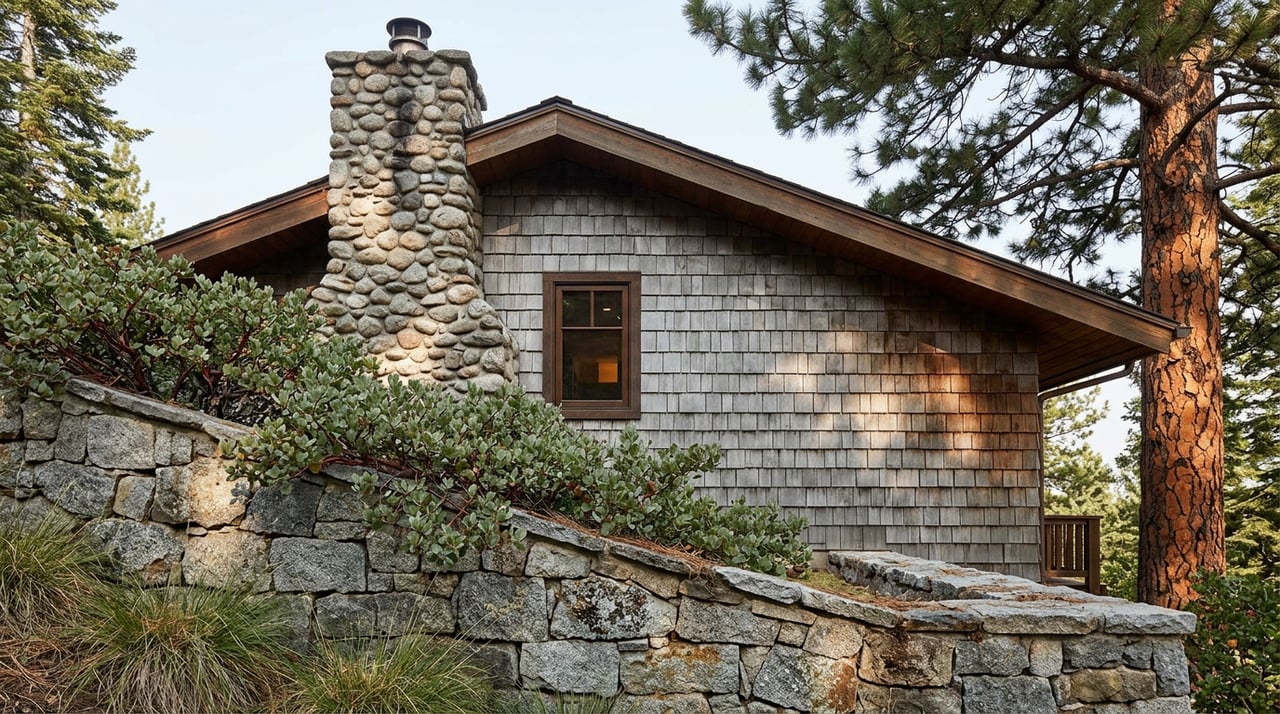
That includes classic A-frames, knotty-pine interiors, loft bedrooms, wood-burning fireplaces, split-level or tri-level cabins, and updated mountain cottages. Many homes are compact one- to three-bedroom properties rather than large suburban houses.
This variety can be a plus because it gives you options. You may find an older rustic cabin with original character, a renovated retreat with a more turnkey feel, or something in between.
Seasonal-use patterns matter
The Hilltop profile reports a 55.1% vacancy rate and notes that this figure may include seasonal households. Paired with a median year built of 1976, that suggests a meaningful share of homes serve as part-time residences, weekend cabins, or vacation bases.
For buyers, that helps explain the local feel. Many properties here are not designed around suburban routines. They are designed around seasonal use, recreation, and shorter stays, even though some owners live full-time in the area.
The Real Tradeoffs to Consider
Recreation is the main draw
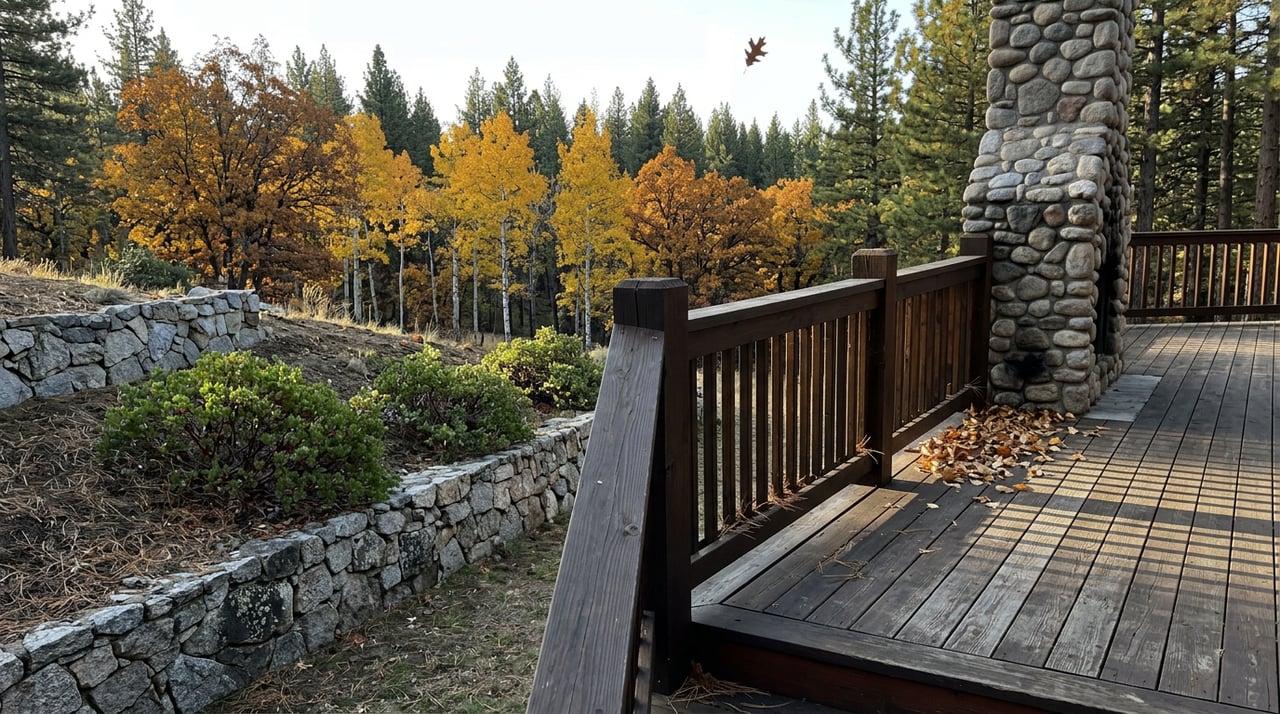
The county says the Hilltop area is completely surrounded by the national forest and includes Snow Valley, campgrounds, and recreational trails. That is a big reason buyers look here in the first place.
The appeal is usually less about urban convenience and more about hiking, skiing, snow play, and a quieter mountain setting. If that matches how you want to use the home, the location starts to make a lot of sense.
Access and weather require planning
The tradeoffs are the usual mountain ones. San Bernardino County guidance says winter weather can slow access, road status should be checked, chains should be carried when required, and local roads may be cleared after primary routes.
The Hilltop profile also notes recurring concerns such as poor winter road maintenance, wildfire, drought, trash and litter, and slow emergency response. It states there are no hospitals in the planning area, and fire response times can vary from 8 to 15 minutes depending on weather and road conditions.
These points do not make one micro-neighborhood better than another in every case. They simply mean you should choose your location with open eyes and a clear understanding of how you plan to use the property.
How to Choose the Right Pocket
Match the area to your goals
A simple way to narrow your search is to start with your main use case.
- In-town Running Springs often fits buyers who want convenience, easier access to services, and a simpler base for frequent visits.
- Arrowbear often fits buyers who want a quieter setting, more forest character, and a stronger cabin retreat feel.
- Snow Valley corridor often fits buyers who want the closest connection to skiing and four-season recreation.
Think beyond the listing photos
When you compare homes, it helps to look past finishes and focus on use. Ask yourself how often you plan to come up, how important quick highway access is, whether you want to be near town, and how much you value privacy or direct recreation access.
A beautiful cabin can feel very different in real life depending on where it sits within the Hilltop Communities. That is why micro-neighborhood context matters so much in Running Springs.
If you want help sorting through those tradeoffs, the local context really matters. A team that understands seasonal access, cabin inventory, and buyer goals can help you focus on the right fit instead of just the prettiest photos. When you are ready to explore Running Springs with a more local lens, connect with SoCal Resorts Group.
FAQs
What are the main micro-neighborhoods buyers compare in Running Springs?
- Buyers usually compare in-town Running Springs, Arrowbear, and the Snow Valley corridor because each one offers a different mix of convenience, wooded setting, and recreation access.
What is in-town Running Springs best known for?
- In-town Running Springs is generally the best fit for buyers who want easier access to town services, the highway corridor, and a practical base for regular use.
What makes Arrowbear different from Running Springs?
- Arrowbear often feels quieter and more tucked away, with level lots or level-entry homes, forest backdrops, and a stronger cabin-in-the-woods atmosphere.
Why do buyers look near Snow Valley in Running Springs?
- Buyers look near Snow Valley for closer access to skiing, snow play, hiking, mountain biking, and other four-season recreation tied to the resort area.
What types of homes are common in Running Springs?
- Common home styles include A-frames, knotty-pine cabins, loft-style layouts, wood-burning fireplaces, split-level or tri-level cabins, and updated mountain cottages.
Is Running Springs easy to get around without a car?
- Most errands still require a car because Walk Scores are generally low, there are no bicycle facilities noted in the county profile, and the area is organized around mountain roads.
What mountain living tradeoffs should buyers know in Running Springs?
- Buyers should plan for winter weather impacts, possible chain requirements, slower travel on local roads, and the realities of a forested mountain area with limited urban-style convenience.